Product-Specific vs. Modular Packaging: Choosing the Right Strategy

Product-Specific vs. Modular Packaging: Choosing the Right Strategy
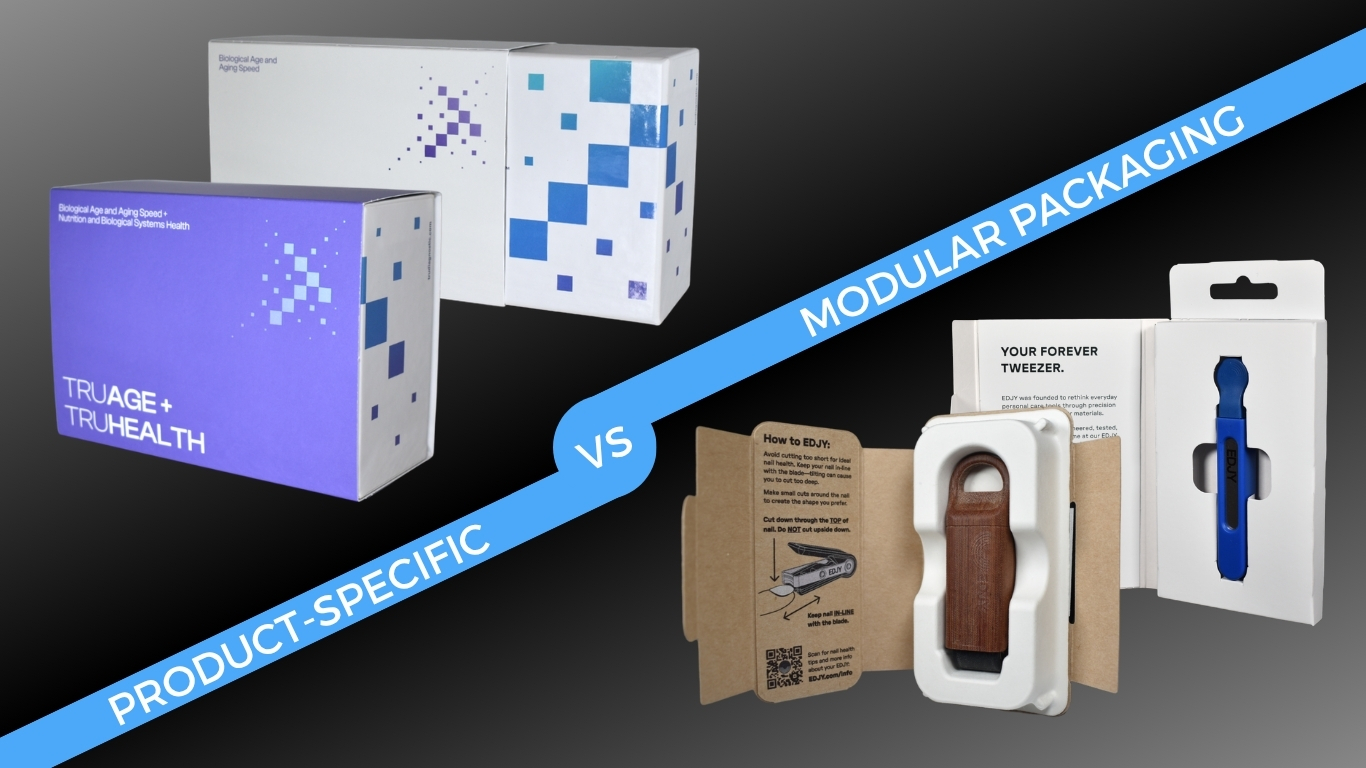
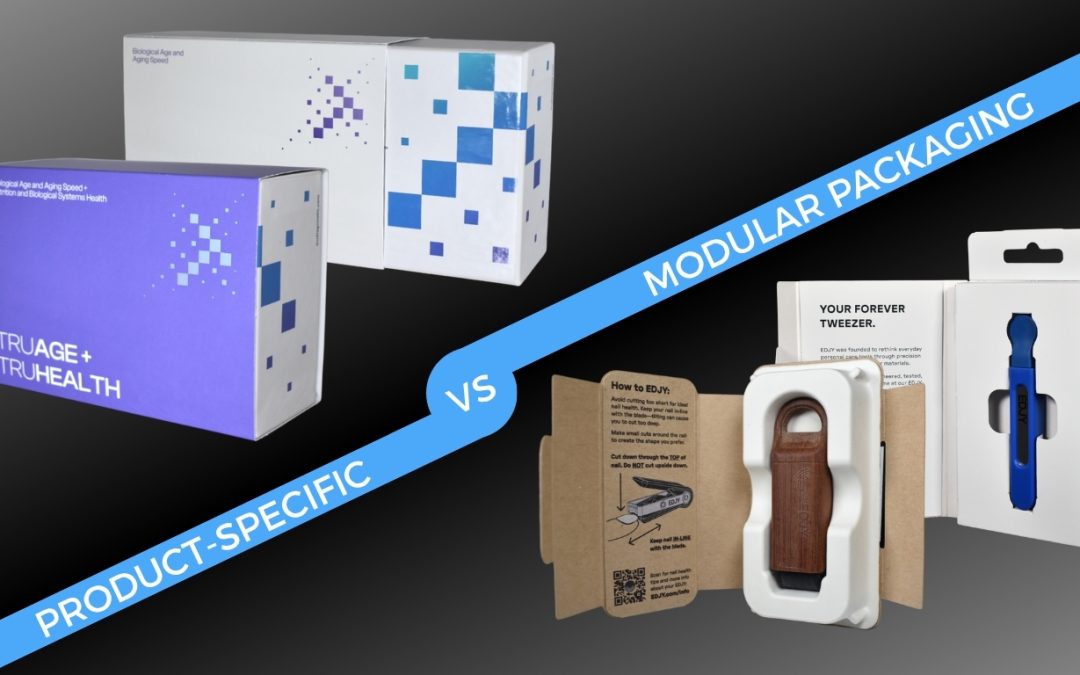
When managing packaging for multiple products or SKUs, one of the key decisions is whether to use a standardized packaging structure across several products or develop a unique package for each one.

Modular packaging can help reduce upfront costs by allowing multiple products to share the same packaging dimensions and structural design. However, that flexibility can come at the expense of material efficiency, as smaller products may be packaged in structures that are larger than necessary.

Product-specific packaging takes the opposite approach, with each package designed around the dimensions and requirements of the product it holds. While this typically requires a greater upfront investment in design and tooling, it can reduce material usage, minimize empty space, and improve shipping efficiency.

Choosing the right approach depends on your product assortment, order volumes, shipping requirements, and long-term packaging goals.


What Is Modular Packaging?

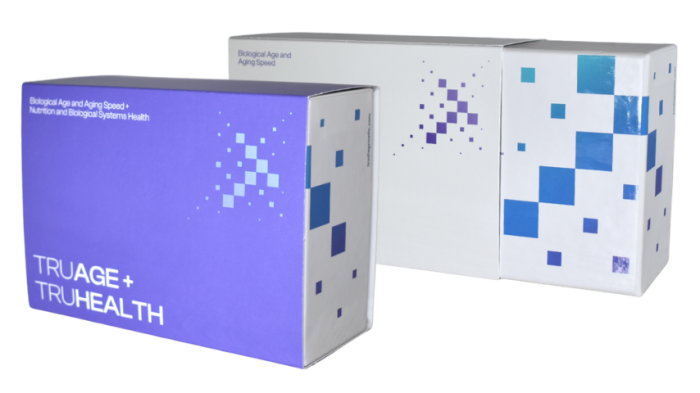
Modular packaging uses a standardized structure or a limited number of package sizes to accommodate multiple products within a product line.

Rather than developing a unique package for every SKU, brands can use a common packaging design, sometimes with interchangeable inserts, partitions, or other internal components to accommodate differences in product size and shape.

For example, a company selling several sizes of personal care products might use the same outer package for multiple SKUs, changing only the internal insert or printed graphics to accommodate each product.


Benefits of Modular Packaging

Lower upfront design and tooling costs

One of the biggest advantages of modular packaging is the ability to spread design and tooling investments across multiple products. Instead of developing a separate structure for every SKU, several products can share the same packaging design.


Simplified packaging inventory

Standardizing package sizes can reduce the number of unique packaging components a company needs to purchase, store, and manage. This can be particularly beneficial for companies with large product portfolios or frequently changing assortments.


Greater flexibility for new product launches

When new products are introduced, an existing modular packaging structure may be adaptable without requiring a completely new design. This can reduce development time and upfront costs.


Opportunities to consolidate order volumes

Combining packaging requirements across multiple SKUs may allow companies to order larger quantities of a common packaging structure, potentially improving purchasing efficiency and reducing per-unit manufacturing costs.


Limitations of Modular Packaging

The primary tradeoff with modular packaging is that a standardized structure cannot be perfectly sized for every product.

When a smaller product is placed in packaging designed to accommodate larger items, the package may contain unnecessary empty space. Depending on the design, additional inserts or supports may also be needed to keep the product secure.

This can create several considerations:

  • Increased material usage: Larger packages may require more material than a product-specific alternative.
  • Shipping inefficiencies: Oversized packaging can take up more space during transportation and storage, potentially increasing logistics costs.
  • Additional internal components: Inserts, partitions, or other supports may be necessary to accommodate products of different sizes.
  • Design limitations: A shared structure may not provide the same level of product presentation or functionality as packaging engineered for a specific item.

While modular packaging can offer significant upfront savings, these ongoing material and logistics costs should be considered when evaluating its long-term value.


What Is Product-Specific Packaging?

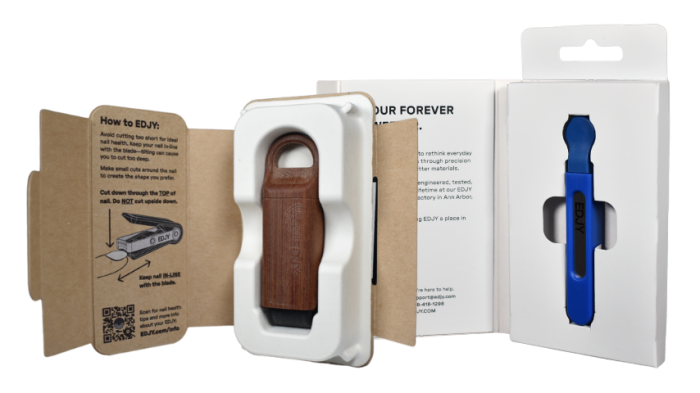
Product-specific packaging is designed around the dimensions, shape, weight, and functional requirements of an individual product.

Unlike modular packaging, which prioritizes standardization across multiple SKUs, product-specific packaging prioritizes optimizing the structure for a particular item.

This approach gives packaging engineers greater flexibility to determine the appropriate dimensions, internal supports, opening features, and material specifications for each product.

For example, a brand offering several different sizes of fragrance bottles might develop a unique package for each bottle. By designing each structure around the dimensions of its corresponding product, the brand can minimize unused space while maintaining a consistent visual identity across the product line.


Benefits of Product-Specific Packaging


Reduced material usage

By designing packaging around the dimensions of a specific product, packaging engineers can eliminate unnecessary space and potentially reduce the amount of material required. Over large production volumes, even small reductions in package dimensions can create meaningful material savings.


Improved shipping and storage efficiency

Right-sized packaging can allow more finished packages to fit into shipping cases, on pallets, and within warehouse storage areas. These efficiencies can become especially valuable for high-volume products that move through distribution networks regularly.


Optimized product protection

Product-specific structures can incorporate integrated supports, partitions, or other features designed around the product’s exact shape and weight. This can reduce movement inside the package and, in some applications, eliminate the need for separate protective components.


Greater structural design flexibility

A dedicated package allows designers to develop features tailored to the product and its intended use, including unique opening experiences, retail display features, and product presentation.


Limitations of Product-Specific Packaging

The biggest consideration with product-specific packaging is the additional upfront investment.

Each unique structure typically requires its own design development, prototypes, and production tooling. For companies managing many SKUs, those costs can add up.

Product-specific packaging can also increase inventory complexity, as each product requires its own packaging components.

For lower-volume products, the material savings achieved through a right-sized design may not be enough to offset the additional tooling and development costs.

ConsiderationModular PackagingProduct-Specific Packaging
Upfront design and tooling costsGenerally lower when structures are sharedGenerally higher with unique designs
Material efficiencyMay use more material for smaller productsCan be optimized for each product
Shipping efficiencyMay create additional empty spaceCan minimize unused space
Packaging inventoryFewer unique structures to manageMore unique packaging components
Flexibility across SKUsHighLimited to the intended product
Product protectionMay require interchangeable insertsCan incorporate tailored supports
Best suited forDiverse product lines, lower volumes, and changing assortmentsHigher-volume, established products with consistent specifications

When Does Modular Packaging Make More Sense?

Modular packaging is often a good choice when a company has a wide variety of products with relatively low individual order volumes.

For example, a brand with 20 different SKUs may find it difficult to justify the cost of developing 20 unique packaging structures, particularly if some products sell in relatively small quantities.

By grouping products into a few standardized package sizes, the brand can reduce the number of unique tools and structures required.

Modular packaging may also be beneficial when:

  • Products have similar dimensions and protection requirements.
  • New SKUs are introduced frequently.
  • Packaging inventory needs to remain flexible.

In these situations, the savings from standardization may outweigh the additional material and shipping costs associated with less precisely sized packaging.


When Is Product-Specific Packaging Worth the Investment?

Product-specific packaging becomes increasingly attractive as production volumes grow.

At higher volumes, the additional cost of developing a dedicated structure can be spread across a larger number of units. Meanwhile, the savings associated with reduced material usage and improved shipping efficiency continue to accumulate with every production run.

Consider a product that ships hundreds of thousands of units annually. Even a small reduction in packaging dimensions could reduce material consumption and allow more units to fit into each shipping case.

Over time, those recurring savings may exceed the initial cost of developing and tooling a product-specific package.

Product-specific packaging is often worth considering when:

  • A product has consistent, predictable demand.
  • Annual production volumes are high.
  • Existing packaging contains significant unused space.
  • The product requires specialized protection or presentation.
  • Reducing material consumption is a packaging priority.


Finding the Right Balance: A Hybrid Packaging Strategy

Choosing between modular and product-specific packaging doesn’t necessarily have to be an all-or-nothing decision.

For many companies, a hybrid approach offers an effective balance between upfront investment and long-term efficiency.

For example, a brand might use product-specific packaging for its highest-volume products while maintaining a small family of modular package sizes for lower-volume SKUs.

Another option is to group products by similar dimensions and develop a shared packaging structure for each group rather than using one universal package across the entire product line.

This approach allows companies to standardize where it makes financial sense while still taking advantage of right-sized packaging for products with sufficient volume.

How to Evaluate the Total Cost of Your Packaging Strategy

One of the most important considerations when comparing modular and product-specific packaging is looking beyond the initial price of the package.

A modular design may have a lower upfront tooling cost, but a product-specific design may offer savings throughout its production and distribution lifecycle.

A complete cost comparison should consider:

  1. Design and tooling: How much will it cost to develop and tool each unique structure?
  2. Packaging materials: How much material and how many additional components does each design require?
  3. Production volumes: How many units of each SKU will be produced annually?
  4. Pack-out efficiency: Will either structure require additional assembly steps or handling?
  5. Shipping and storage: How will package dimensions affect case counts, pallet configurations, and warehouse space?
  6. Inventory management: How many unique packaging components will need to be purchased, stored, and tracked?

Evaluating these costs together provides a more accurate picture of which approach offers the greatest value over time.


Choosing the Right Packaging Approach for Your Product Line

The decision between modular and product-specific packaging ultimately comes down to balancing flexibility, upfront investment, and ongoing efficiency.

Modular packaging can be an effective way to control tooling costs and simplify packaging programs across multiple SKUs. Product-specific packaging offers opportunities to reduce material usage, improve shipping efficiency, and optimize the package around the product itself.

For many brands, the most cost-effective solution may involve a combination of both.

At Wynalda Packaging, our structural design team works with customers to evaluate packaging requirements, identify opportunities for standardization or right-sizing, and develop structures that support both manufacturing efficiency and long-term packaging performance.

Looking to optimize packaging across your product line? Contact our team to explore the right approach for your products.
What Is Mono-Material Packaging? Exploring 100% Paper-Based Solutions

What Is Mono-Material Packaging? Exploring 100% Paper-Based Solutions

Mono-material packaging is becoming an increasingly important part of sustainable packaging conversations. As brands look to reduce plastic and simplify material streams, many are exploring packaging systems made from a single material family.

One example is 100% paper-based packaging.

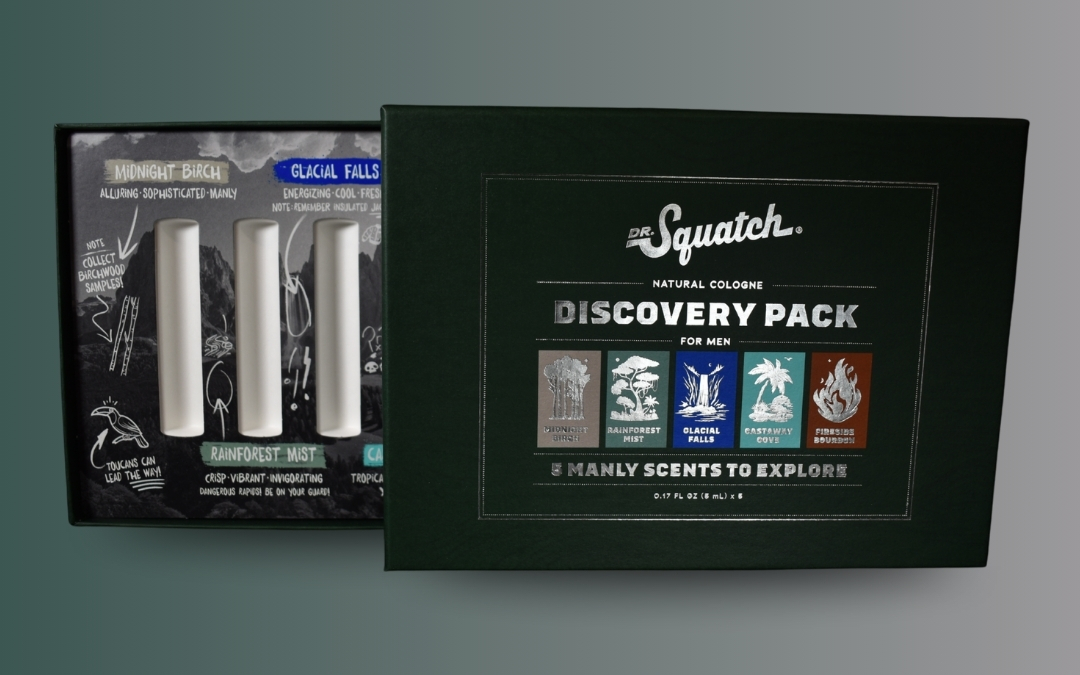
At Wynalda Packaging, we specialize in molded pulp, folding cartons, and rigid set-up boxes. By combining these capabilities, we can develop mono-material packaging systems that provide the structure, product protection, and presentation that premium brands require, while eliminating plastic components.


What Is Mono-Material Packaging?

Mono-material packaging is designed using one material type or materials that can remain within the same recycling stream.

Traditional packaging often combines paperboard with plastic trays, foam inserts, and other materials. A paper-based approach can replace those components with molded pulp, paperboard, or corrugated alternatives.

The goal is to reduce material complexity while still delivering the performance the product requires.


Mono-Material Packaging Examples

  • Rigid boxes with molded pulp inserts
  • Rigid boxes with paperboard or corrugated/fluted inserts
  • Folding cartons with molded pulp inserts
  • Folding cartons with paperboard inserts

Having multiple capabilities allows us to recommend the best solution based on the product, production volume, presentation requirements, sustainability goals, and cost.


Multi-Material Packaging Examples

On the other hand, a package can primarily be made from paperboard but still include materials that complicate the overall material structure. Examples include:

  • A folding carton with soft-touch film lamination
  • A rigid box laminated with metallized polyester (MPET)
  • A folding carton with a plastic window
  • A rigid box with a foam insert
  • A folding carton with a thermoformed plastic tray

These packages combine paperboard with plastic films, plastic inserts, foam, or other materials. While some individual components may be recyclable or removable, the overall package is not a true mono-material packaging system.


Simplifying Recycling

One of the primary advantages of mono-material packaging is that it can simplify the recycling process.

Mixed-material packages may require consumers or recyclers to separate different components. A well-designed paper-based package can keep more of the packaging within the paper recycling stream, subject to local recycling requirements and infrastructure.

Paper also has the advantage of being widely recognized by consumers as a recyclable packaging material, with an established collection and recycling infrastructure for many paper-based formats.


Sustainability Without Sacrificing Presentation

Switching to 100% paper-based packaging does not mean giving up premium packaging.

Paper-based materials can still provide the structural performance, decoration, and presentation expected of premium brands. Rigid boxes can create a high-end unboxing experience. Custom paper-based inserts can securely hold and protect the product. Folding cartons can deliver high-quality graphics and a wide range of decorative options.

Premium finishing techniques such as foil stamping can also be incorporated into paper-based packaging. The small amount of foil transferred during the stamping process does not prevent the package from being processed through the paper recycling stream, allowing brands to add metallic decoration and shelf appeal while maintaining a paper-based packaging system.


The Impact of EPR

Extended Producer Responsibility (EPR) regulations are also becoming a larger part of packaging decisions.

Depending on the program and jurisdiction, producer fees may be influenced by factors such as material selection, recyclability, and the amount of packaging placed into the market.

As these regulations evolve, brands have another reason to evaluate packaging structures that reduce difficult-to-recycle materials and simplify material streams.


Looking Ahead

The combination of sustainability goals, consumer expectations, and evolving EPR requirements will likely continue driving interest in mono-material and 100% paper-based packaging.

By combining molded pulp, folding cartons, rigid set-up boxes, and other fiber-based components, Wynalda Packaging can help brands develop paper-based packaging systems that balance sustainability, product protection, aesthetics, and cost.

There is no one-size-fits-all solution. The right approach depends on the product, volume, and packaging objectives—but there are more options than ever for creating premium packaging without relying on plastic.

Packaging Sourcing Strategies

Packaging Sourcing Strategies

Minimizing Risk in Your Packaging Supply Chain

In today’s market, efficient packaging procurement is essential to a company’s overall supply chain success. Your packaging supply chain plays a pivotal role in ensuring that products reach consumers on time and in optimal condition. Like any outsourced component of your supply chain, packaging introduces its own set of considerations. By employing the following packaging sourcing strategies, you can mitigate risks and bolster the resilience of your packaging supply chain.


Robust Quality Control Processes

Selecting the right packaging supplier requires a focus on their quality assurance protocols. Early detection and resolution of manufacturing issues are key to avoiding costly delays and defects in the final product. Choose a supplier who adheres to rigorous quality testing to ensure your packaging meets all necessary standards for durability, functionality, and appearance.


Prototyping Services

Physical prototypes are invaluable in the packaging design process. Before committing to full-scale production, prototypes allow you to assess the look, feel, and functionality of your packaging, enabling you to make necessary adjustments early on. This foresight can prevent costly errors and ensure that the final product aligns with your brand’s vision. Work with a manufacturer that provides structure samples for review and testing to ensure your products are both presented and protected well.


Turnkey Suppliers

To minimize risks, consider partnering with turnkey packaging suppliers who handle the entire manufacturing process in-house. By consolidating multiple manufacturing processes under one roof—design, ink production, sheeting, printing, die making, die cutting, foil stamping, embossing, folding, gluing, and quality testing—you reduce the chances of costly errors and delays, while maintaining greater control over the final product.


Vendor Managed Inventory Program

A Vendor Managed Inventory (VMI) program can provide greater supply chain flexibility for your packaging supply chain. By allowing your supplier to maintain an inventory of your packaging, you ensure that your products are always ready for immediate shipment, reducing the risk of stockouts and delays.


Extended Producer Responsibility (EPR) Readiness

Extended Producer Responsibility (EPR) regulations are changing how companies think about packaging procurement. In several states, packaging producers are now responsible for helping fund the collection, recycling, and disposal of packaging materials, with fees often based on factors such as material type, recyclability, package weight, and overall design.

As more states implement EPR legislation, packaging decisions made today may have long-term financial and compliance implications. Material selection, package construction, and overall packaging efficiency can all influence future compliance obligations and costs. Working with a packaging design team that can help minimize material usage while maximizing recyclability can help support long-term sustainability goals and prepare your business for evolving regulations.


Anti-Counterfeiting Strategies

Counterfeit products can damage brand reputation, compromise consumer safety, and create significant financial and legal risks. Fortunately, there are a variety of packaging features that can help verify product authenticity and deter counterfeiters. Features such as holograms, security inks, tamper-evident seals, and covert security elements can make products much more difficult to replicate. When evaluating packaging solutions, ask your packaging supplier which anti-counterfeiting features are available and which are best suited for your application.


Track & Trace Solutions

Track & trace technologies use serialized QR codes and digital authentication systems to enable manufacturers to monitor products throughout the supply chain while collecting valuable product data. These systems can also help identify and prevent product diversion by verifying where products were intended to be distributed and where they are ultimately scanned.

In addition to supporting anti-diversion efforts, track & trace systems improve inventory management, simplify product recalls, support regulatory compliance, and create opportunities for consumer engagement. When integrated into packaging, these technologies provide greater visibility throughout the supply chain while helping brands protect their products and better understand how they move through the market.


Create a Seamless Packaging Supply Chain

Packaging sourcing extends well beyond purchasing materials. Quality control, prototyping, production capabilities, inventory management, sustainability initiatives, and product security all contribute to a more efficient and resilient packaging supply chain.

By considering these strategies early in the packaging development process, companies can improve operational efficiency, support regulatory compliance, strengthen product security, and position themselves for long-term success.

At Wynalda Packaging, we specialize in helping our customers implement these strategies to create a seamless and efficient packaging supply chain. Contact us today to learn how we can support your business in minimizing risks and enhancing supply chain reliability.

Hot Foil Stamping vs. Cold Foil Printing

Hot Foil Stamping vs. Cold Foil Printing

Foil is one of the fastest ways to make a folding carton or rigid box feel premium. That flash of metallic gold, silver, or holographic color catches the eye on a shelf and signals quality before a customer even picks the product up. But not all foil is applied the same way, and the method you choose has a real impact on cost, turnaround, and the final look of your packaging.

The two most common approaches are hot foil stamping and cold foil printing. They can produce similar-looking results, but they work in very different ways, and each has its own sweet spot. Here’s a breakdown to help you decide which one fits your next carton or rigid box project.

What Is Hot Foil Stamping?

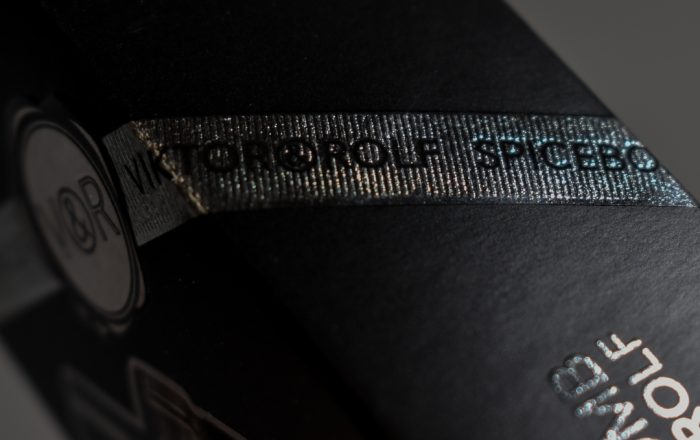
Hot foil stamping is the more traditional of the two processes, delivering a rich, high-shine metallic finish.

It uses a heated metal die, engraved with your design, to press a thin layer of foil onto the box surface. Heat and pressure combine to transfer the foil only where the die makes contact, fusing it to the substrate and often leaving a subtle, tactile impression behind.

Because each project needs its own die, hot foil stamping has a higher upfront tooling cost and a longer setup time. That investment pays off in a distinctive, dimensional effect that’s hard to replicate any other way.

What Is Cold Foil Printing?

Cold foil produces a flat, high-gloss metallic effect. Instead of heat and a die, it uses an adhesive applied in the exact pattern of the design. The foil is laminated onto the adhesive at room temperature, and the excess foil is then stripped away, leaving foil only where the adhesive was applied. 

Because it happens inline on an offset printing press, cold foil can be overprinted in a single pass to create custom foil colors. This also makes it efficient for high-volume folding carton runs, and since no custom die is required, the tooling costs are lower.

Cold foil shines when a folding carton design calls for large areas of foil coverage, fine detail, or foil that needs to interact with other printed colors, which is difficult and expensive to achieve with a stamping die.

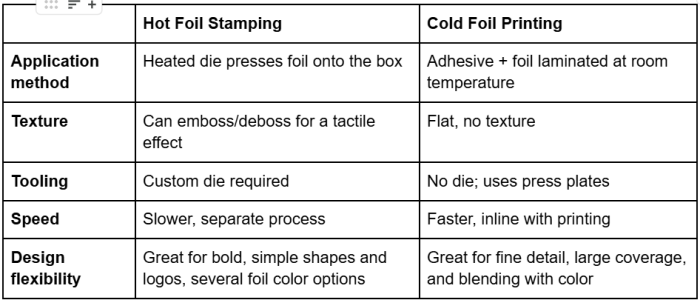
Comparing the Two Side by Side

Which One Should You Choose?

The right choice really comes down to your priorities:

  • Choose hot foil stamping if texture and a premium tactile feel are central to your brand experience and your design uses bold, simple shapes like a logo or border.
  • Choose cold foil printing if your design has fine detail or heavy foil coverage or you want to combine foil with full-color printing efficiently.

In some cases, the two can even be combined on the same box, using cold foil for broad coverage and hot foil stamping to add texture to a logo or key design element for extra impact.

Let’s Talk About Your Project

Foil is one of the most powerful tools for making first impressions count. Whether you’re considering hot foil stamping, cold foil printing, or a combination of both for your next folding carton or rigid box project, our team can help you find the right approach for your run size, budget, and brand goals.

Get in touch with Wynalda today to talk through your next packaging or project!

Top Folding Carton Features for Automated Filling Lines

Top Folding Carton Features for Automated Filling Lines

For manufacturers running automated packaging lines, a folding carton does much more than hold a product. Every structural detail—from the bottom style to the opening mechanism—can influence line speed, uptime, product protection, and overall manufacturing efficiency.

Packaging that performs well on an automated filling line is intentionally designed for manufacturability. Small structural decisions made during the design phase can reduce jams, improve carton squareness, increase throughput, and lower production costs.

Below are some of the most important folding carton features to consider when designing packaging for automated filling operations.

Auto-Bottom Cartons

Auto-bottom cartons are one of the most popular choices for high-speed automated filling lines.

Unlike straight tuck cartons that require the bottom flaps to be folded during filling, auto-bottom cartons arrive pre-glued and automatically lock into place when the carton is opened.

This offers several advantages:

  • Faster carton setup
  • Reduced machine complexity
  • Improved bottom strength
  • Increased packaging line speeds

Although auto-bottom cartons typically have a slightly higher manufacturing cost than straight tuck cartons, they often reduce labor and increase production efficiency enough to provide a lower total packaging cost.

Consistent Carton Squareness

Automated equipment depends on cartons opening consistently every cycle.

If cartons are difficult to square or fail to fully open, filling equipment may stop, products may become damaged, or operators may need to intervene manually.

Proper structural design, scoring, and converting help cartons open reliably and maintain their shape throughout the filling process.

Dust Flaps

Dust flaps are often viewed as a simple packaging feature, but they play several important roles on automated lines.

They help:

  • Guide products into the carton
  • Prevent products from catching on side panels
  • Improve package appearance
  • Protect contents from dust and debris

Well-designed dust flaps can improve filling efficiency while creating a cleaner finished package.

Reinforced Bottoms for Heavy Products

Not every product can be packaged in a standard folding carton.

Heavier products may require reinforced structures such as auto-bottom cartons or other specialty bottom styles that provide additional strength during filling, shipping, and retail handling.

Designing adequate bottom strength from the beginning helps prevent package failures later in the supply chain.

Machine-Readable Registration Features

Many automated packaging lines rely on sensors to detect carton position and orientation.

Consistent print registration, properly positioned registration marks, and predictable structural dimensions help ensure equipment can accurately identify and process each carton.

Packaging should be designed with both the converting process and the filling equipment in mind.

Glue Flap Design

The glue flap is one of the most overlooked features of a folding carton.

Proper glue flap width and adhesive application help maintain carton integrity throughout filling and distribution.

Poorly designed glue flaps can contribute to carton failures, inconsistent opening, or difficulties during high-speed production.

Material Selection

The paperboard itself plays a major role in automated performance.

Factors such as caliper, stiffness, grain direction, and material consistency all affect how cartons feed, open, and travel through automated equipment.

Selecting the right paperboard is often just as important as choosing the right carton style.

Windows and Specialty Features

Many products benefit from windowed cartons, inserts, or other specialty features.

These enhancements can absolutely be incorporated into automated filling operations, but they should be designed with the equipment in mind.

For example:

  • Window film placement should avoid interfering with machine contact points.
  • Inserts should consistently retain the product without slowing assembly.
  • Specialty folds should not interfere with carton erection or closure.

Working with both the packaging manufacturer and automation equipment supplier early in development can help ensure these features perform reliably.

Designing for Manufacturability

One of the biggest mistakes companies make is designing packaging based solely on appearance.

A package may look beautiful in a rendering or prototype but create unnecessary challenges during production if it wasn’t designed with manufacturing in mind.

Designing for manufacturability means considering the entire packaging process—from converting and gluing to filling and shipping.

In many cases, relatively small structural modifications can significantly improve production efficiency without changing the package’s appearance.

Partner Early in the Design Process

The best packaging solutions are developed collaboratively.

By involving your packaging manufacturer early in the design process, potential production challenges can often be identified before tooling is created or equipment is programmed.

An experienced packaging partner can recommend structural improvements, material changes, and converting options that help maximize line efficiency while maintaining your brand’s visual goals.

When packaging is designed for both the product and the production line, manufacturers can reduce downtime, improve throughput, and create a better experience from the factory floor to the end customer.