Ensuring Color Consistency Across Print Runs & Packaging Materials

Ensuring Color Consistency Across Print Runs & Packaging Materials

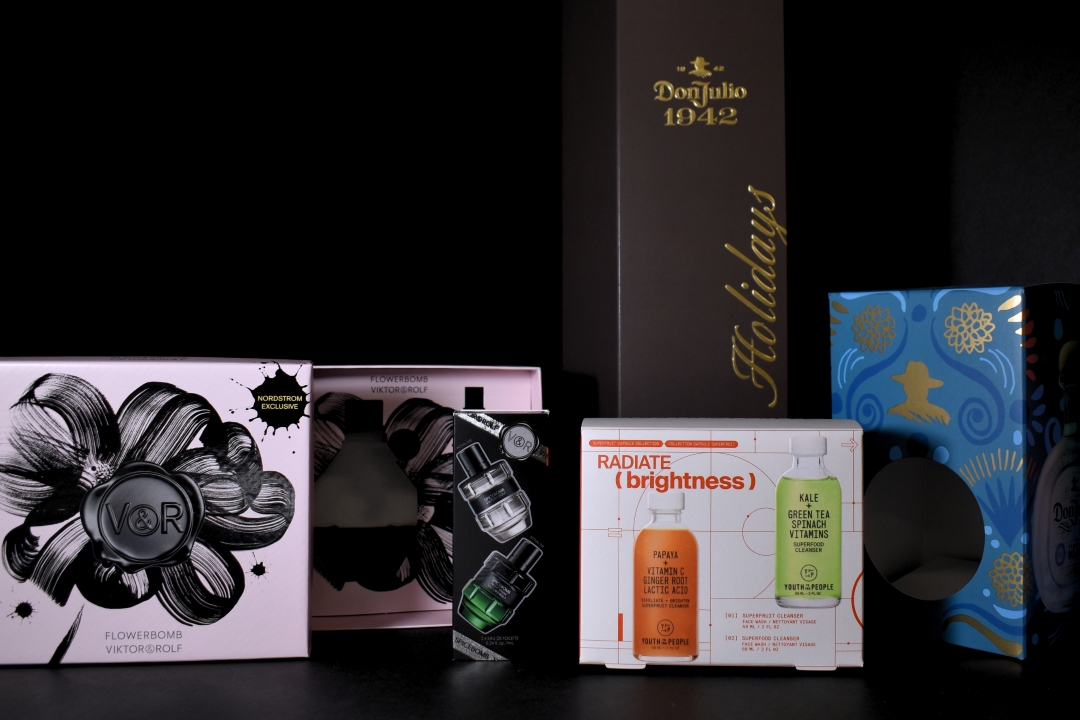
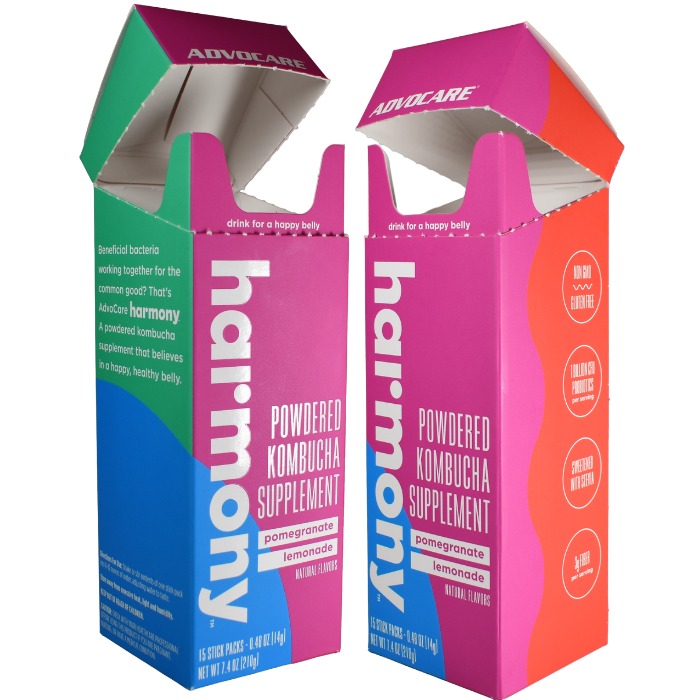
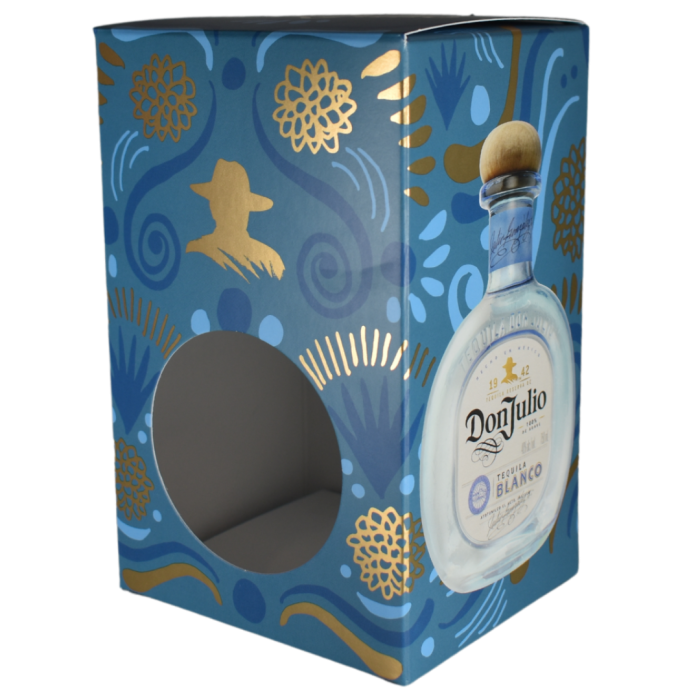
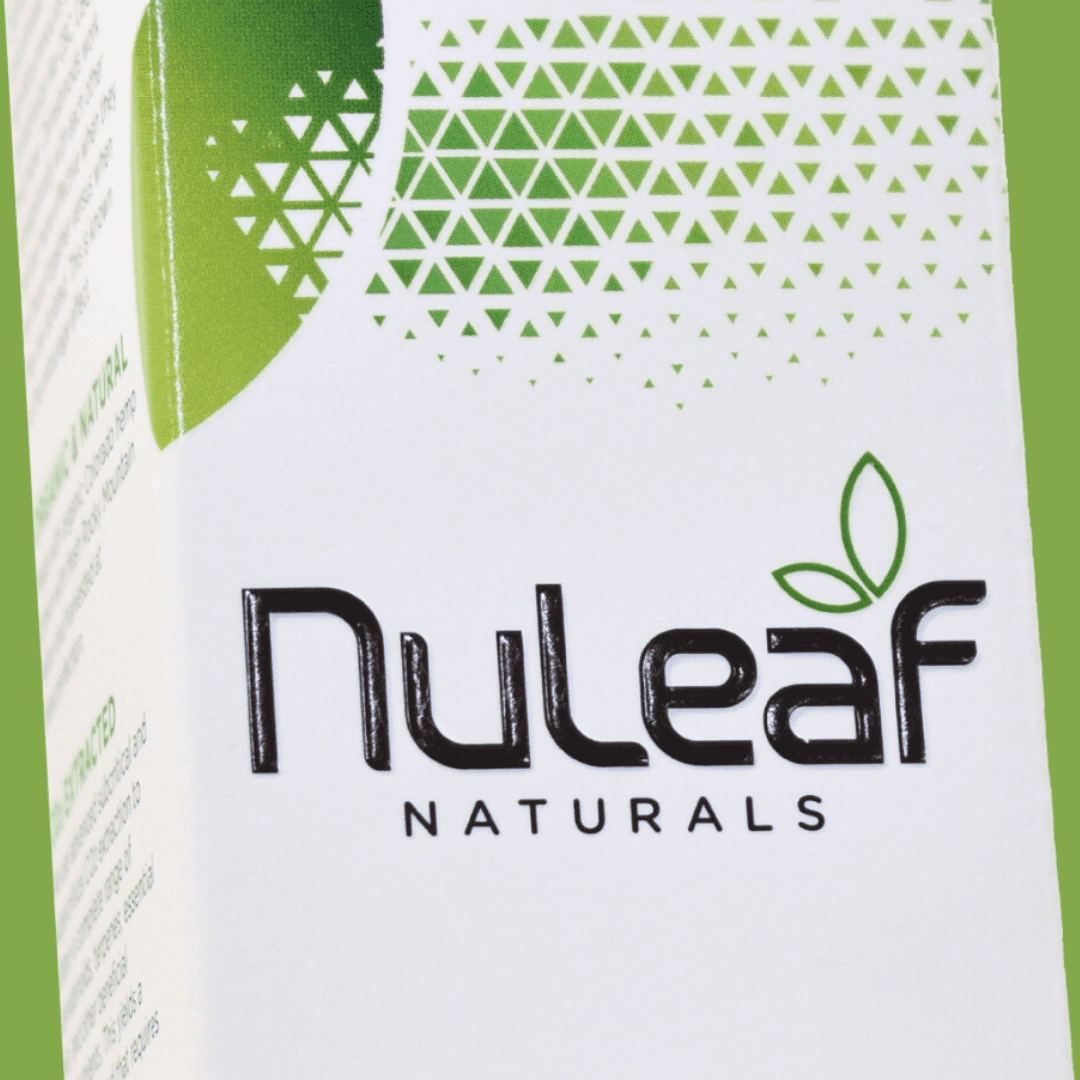
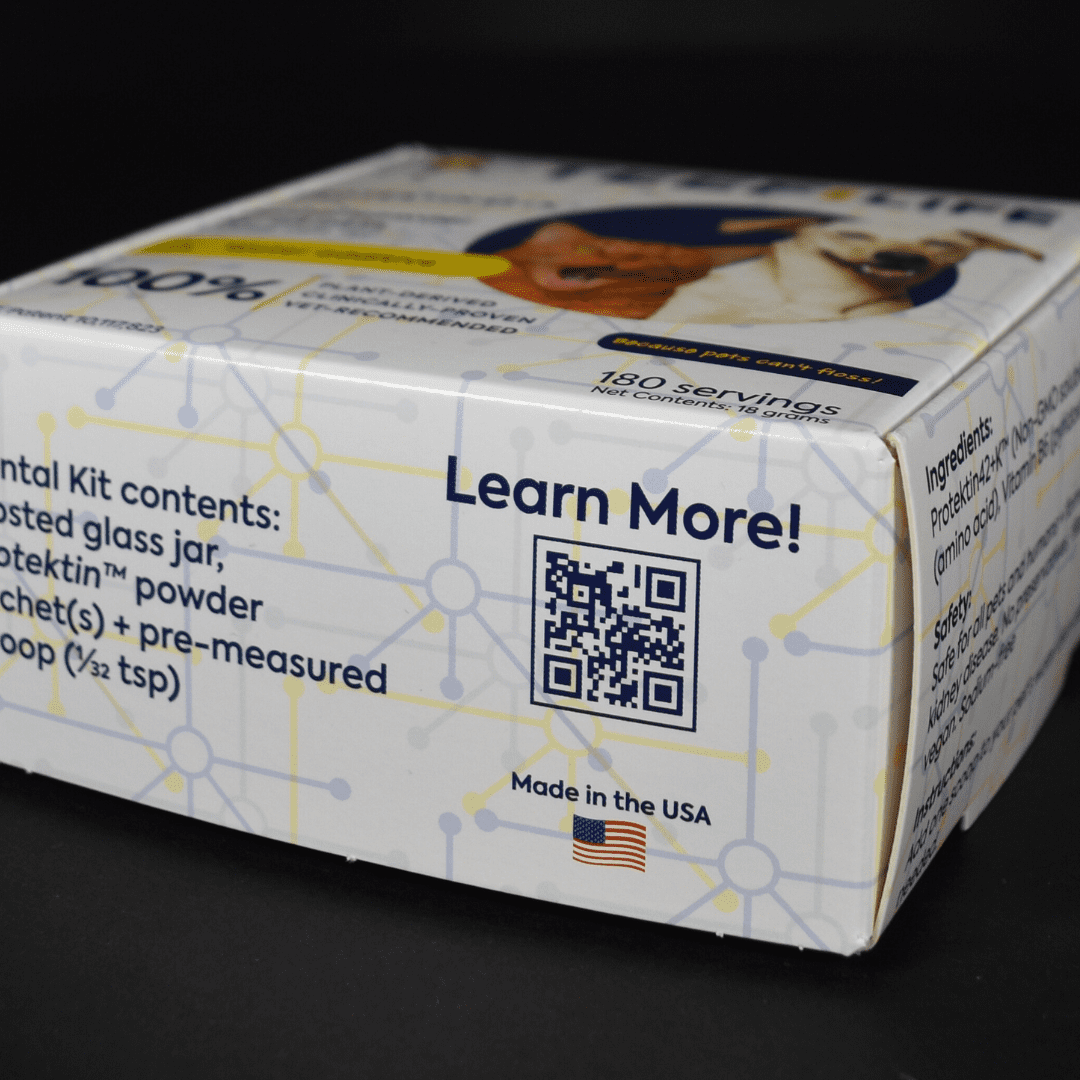
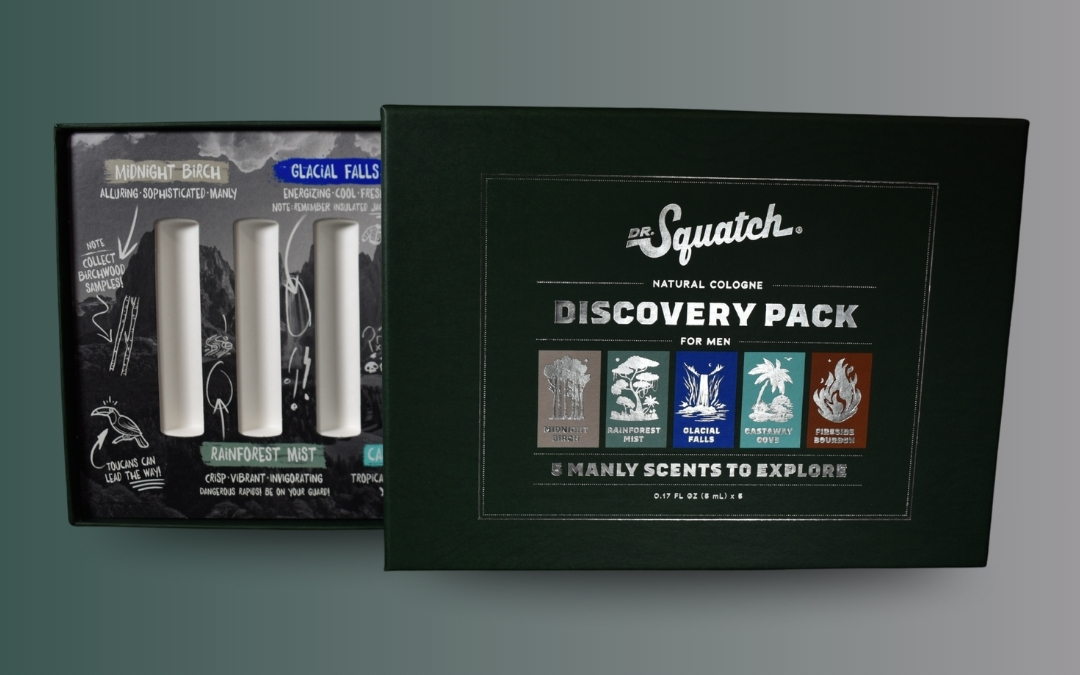
For brands that rely on premium packaging, color consistency is not just a design preference — it is a critical part of maintaining brand recognition and customer trust. Whether packaging is being reordered months later, produced on different substrates, or printed using different technologies, customers expect the same brand colors every time.

Achieving that level of consistency requires more than simply matching an ink formula. Factors like substrate type, print method, and even storage environments can all impact how a color appears on finished packaging. That is why maintaining consistent color across every production run requires a combination of standardized processes, color expertise, and production flexibility.

Consistency Across Different Print Runs

One of the biggest challenges in packaging production is ensuring that repeat orders match previous runs exactly. Even small color shifts can become noticeable when products sit side-by-side on retail shelves.

To maintain consistency over time, establishing approved color standards is essential. At Wynalda Packaging, physical color standards are created for each customer and sent for approval before production begins. Once approved, these standards become the reference point for all future jobs.

Because physical color references can shift over time if exposed to improper conditions, they are stored in controlled environments along with samples from previous jobs to prevent fading or color changes. This ensures that the approved standard remains accurate and reliable for future production runs.

Color management expertise also plays a major role in achieving repeatable results. Having a G7 color expert on staff helps ensure color calibration and print consistency throughout the production process. G7 methodology focuses on achieving visual consistency across devices and print conditions, helping maintain predictable color reproduction from run to run.

Consistency Across Different Substrates

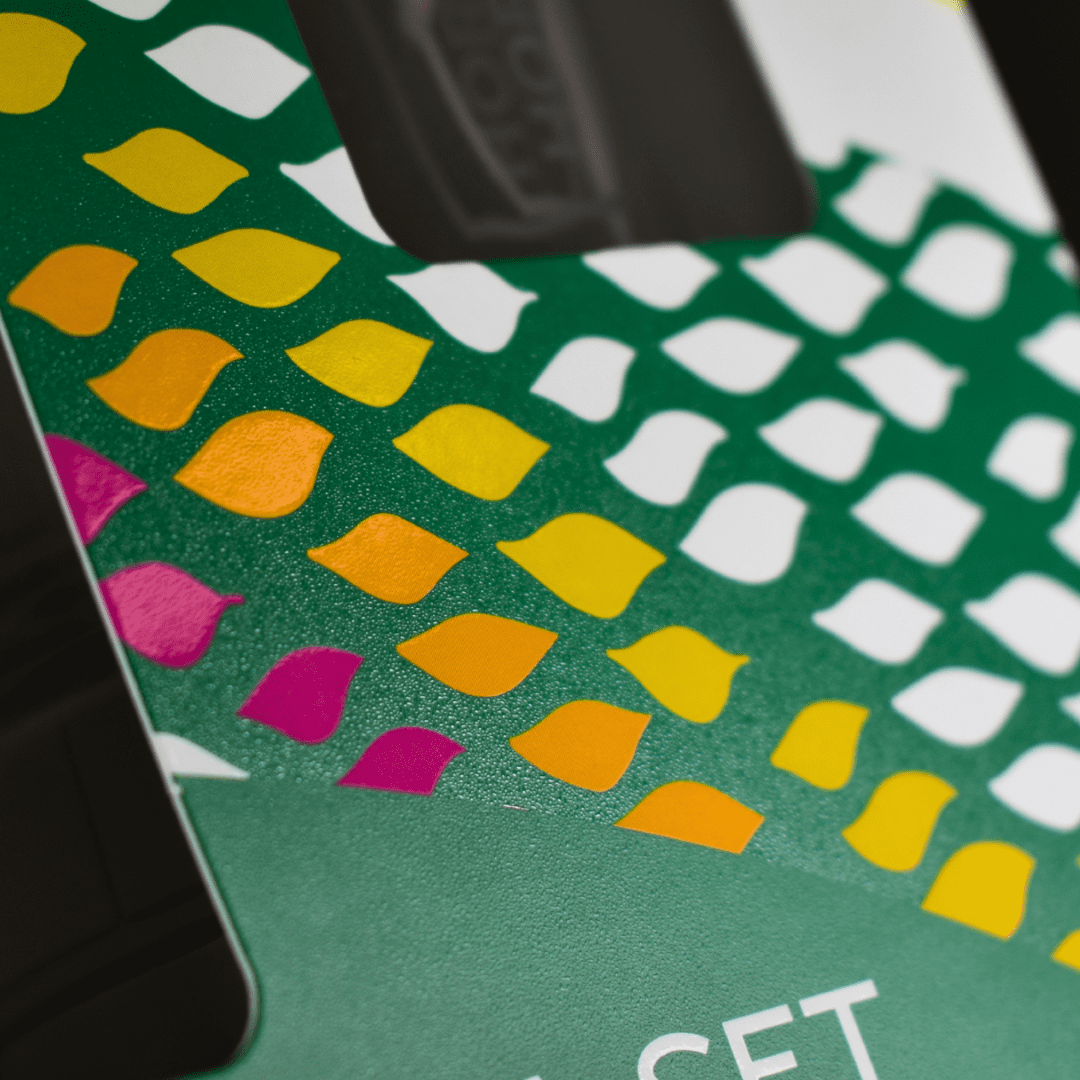
Even when using the exact same ink formula, colors can appear different when printed on different substrates. Paper shade, coating type, surface texture, and absorbency all influence how ink reflects light and how the finished color is perceived.

For example, a color printed on bright white SBS paperboard may appear noticeably different when printed on a kraft substrate or an uncoated paperboard. Gloss coatings, matte finishes, and textured materials can also impact the final appearance.

To compensate for these differences, ink formulations are adjusted before production begins based on the substrate being used. However, color matching is not always a set-it-and-forget-it process. During production, press conditions and substrate variation can still require additional fine-tuning.

Our in-house ink room provides the flexibility to make real-time ink adjustments during a production run when needed. This allows operators to refine color on press and achieve a closer visual match across varying materials and packaging formats.

Consistency Across Different Print Methods

As packaging production evolves, many brands are utilizing multiple print technologies to support different order sizes, lead times, and customization needs. However, maintaining color consistency across different printing methods creates an additional challenge.

Traditional offset lithographic printing and digital printing produce color differently, requiring carefully controlled color management systems.

Advanced digital printing technology has significantly narrowed that gap. The Landa S11 Offset Digital Press can reproduce approximately 97% of Pantone colors, allowing brands to achieve highly accurate color matching between digital and conventional offset production.

This capability gives brands greater flexibility to transition between print methods while maintaining consistent brand appearance across packaging programs.

The Importance of a Controlled Color Management Process

Consistent color does not happen by accident. It requires standardized color references, experienced color management, substrate-specific adjustments, and the ability to fine-tune production in real time.

For brands investing in premium packaging, these processes help ensure that packaging remains visually consistent regardless of when it is produced, what material it is printed on, or which print technology is used.

When color consistency is properly managed, brands can maintain stronger shelf presence, reinforce brand recognition, and deliver a more reliable customer experience across every packaging touchpoint.

What is EPR? Questions Every Brand Owner Should Be Asking

What is EPR? Questions Every Brand Owner Should Be Asking

Extended Producer Responsibility (EPR) is quickly becoming one of the most important regulatory changes impacting packaging in North America. For many brand owners, however, the details remain unclear. What is EPR? Why is it happening? And what should companies be doing now to prepare?

Understanding these questions early can help brands avoid future costs, simplify compliance, and make smarter packaging decisions.


What is EPR?

Extended Producer Responsibility (EPR) is a regulatory approach that shifts the cost of recycling packaging from municipalities to the companies that produce and sell packaged goods.

In simple terms: brands will pay fees based on the packaging they put into the market.

Historically, local governments funded recycling programs through taxes. Under EPR, companies become financially responsible for managing the packaging waste generated by their products.

These programs are designed to improve recycling infrastructure while encouraging brands to design packaging that is easier and more cost-effective to recycle.


Why is EPR being implemented?

Recycling systems across the U.S. and globally are under increasing pressure. Several factors are driving governments to adopt EPR programs:

  • Rising waste volumes
  • Increasing recycling and processing costs
  • Low recovery rates for many packaging materials

To address these challenges, governments are shifting financial responsibility to producers and incentivizing better packaging design.

The goal is to fund improved recycling systems while reducing the amount of difficult-to-process packaging entering the waste stream.


Where is EPR today?

EPR is no longer a future concept—it is already being implemented in several regions.

United States

Several states have passed EPR legislation, including:

  • California
  • Colorado
  • Oregon
  • Maine

Additional states are actively evaluating similar legislation, and fee structures and reporting requirements are currently being finalized.

Global influence

EPR policies are also expanding globally.

Europe is implementing aggressive packaging regulations through the Packaging and Packaging Waste Regulation (PPWR), while Canada already operates under established EPR systems.

As a result, many global brands are beginning to standardize packaging strategies to comply with regulations across multiple markets.


Where is EPR going?

Over the next three to five years, EPR programs are expected to expand significantly.

Key trends likely to emerge include:

  • Expansion of EPR legislation into additional U.S. states
  • More defined and impactful fee structures
  • Direct links between packaging design and regulatory costs
  • Packaging decisions becoming a strategic financial consideration

In other words, packaging will move beyond a procurement decision and become a financial lever that directly impacts operational costs.


How will EPR affect brands?

EPR introduces a new cost layer that is directly tied to packaging design.

Fees will generally be calculated based on several key factors.

Material type

Different materials carry different recycling costs.

  • Plastic packaging = higher fees
  • Paper-based materials = lower costs

Recyclability

Packaging that is widely recyclable is likely to receive lower fees.

  • Easily recyclable materials = lower cost
  • Difficult or non-recyclable materials = higher cost

Packaging complexity

Complex packaging formats are harder to recycle.

  • Mono-material packaging = lower cost
  • Multi-material packaging = higher cost

Weight

Heavier packaging increases recycling costs.

  • Lightweight packaging = lower fees
  • Heavier packaging = higher fees

These factors mean that packaging design decisions will increasingly have financial implications.


What types of packaging are most impacted?

Certain packaging formats are more likely to face higher EPR fees.

Higher risk (higher cost exposure)

  • Plastic-heavy packaging
  • Multi-material formats (plastic + paper + foam)
  • Laminated or difficult-to-recycle structures
  • Overbuilt or heavy packaging

Lower risk (more EPR-friendly)

  • Paperboard-based packaging
  • Mono-material designs
  • Lightweight, optimized structures
  • Widely recyclable formats


Why brands should act now

While some EPR programs are still being finalized, the direction is clear. Companies that begin preparing now will be in a much stronger position.

Early action allows brands to:

  • Reduce future EPR fees
  • Avoid rushed packaging redesigns later
  • Simplify reporting and compliance requirements
  • Strengthen sustainability positioning

Waiting until regulations are fully implemented may limit flexibility and increase costs.


Questions brand owners should be asking

As EPR programs continue to develop, brand owners should begin evaluating their packaging strategy with a few key questions in mind:

  • What materials are currently used in our packaging?
  • How recyclable are our existing formats?
  • Are there opportunities to simplify packaging structures?
  • Could lighter-weight or paper-based alternatives reduce future costs?
  • Are our packaging suppliers prepared to support EPR-related changes?

These conversations can help brands identify opportunities before regulatory pressure increases.


EPR-friendly packaging solutions

Several packaging formats are naturally well-positioned for EPR systems due to their recyclability and material simplicity. 

These formats are paper-based, widely recyclable, and easier for recycling systems to process compared to complex multi-material packaging.

Molded Pulp Packaging

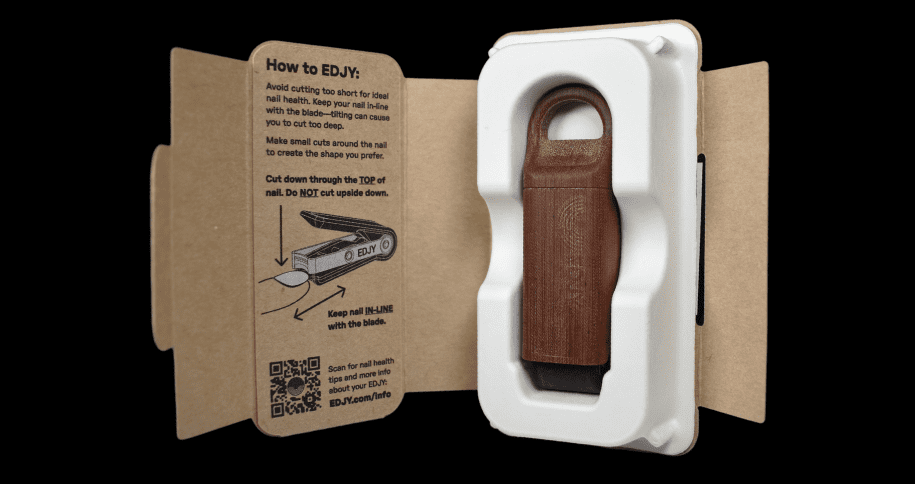
Biodegradable and made from recycled material, molded pulp is a great alternative to thermoformed plastic or foam inserts.

Paperboard Folding Cartons

Folding cartons are lightweight, extremely versatile, and easily customized with premium print, specialty coatings, embossing, and foil.

Rigid Boxes

Made from recycled material, rigid boxes offer luxury presentation and a premium unboxing experience.


Preparing for the future of packaging

EPR is poised to reshape how brands think about packaging. As regulations expand and fee structures become more defined, packaging design will increasingly influence both compliance and cost.

Companies that proactively evaluate their packaging today will be better positioned to manage risk, reduce fees, and meet evolving sustainability expectations.


Talk with a packaging expert

If you’re evaluating how EPR may impact your packaging, our team can help.

At Wynalda Packaging, we work with brands to design fiber-based, recyclable packaging solutions that align with evolving sustainability and regulatory requirements.

Whether you’re exploring molded pulp inserts, paperboard folding cartons, or rigid box structures, we can help you identify opportunities to optimize your packaging strategy.

Contact our team today to start the conversation.

Choosing a Folding Carton Manufacturer in the U.S. (Comparison Guide)

Choosing a Folding Carton Manufacturer in the U.S. (Comparison Guide)

While many companies can produce folding cartons, there are many other factors to consider when choosing the right manufacturing partner. Structural design expertise, specialty finishing, sustainable materials, and reliable lead times all play a role in successful packaging programs.

This guide explains the key factors to consider when comparing folding carton manufacturers and how Wynalda Packaging performs across each category.


Quick Answer: How to Compare Folding Carton Manufacturers in the U.S.

When evaluating folding carton manufacturers, brands should compare suppliers across six key criteria:

  • Sustainability certifications and materials
  • Specialty finishing capabilities
  • Production speed and lead times
  • Structural design and prototyping
  • Manufacturing capacity
  • Minimum order quantities

Manufacturers that offer in-house design, diverse finishing options, certified sustainable materials, and scalable production capacity typically provide the most long-term value for growing brands.

Key Factors to Consider

Sustainability

Sustainability is one of the most important considerations when selecting a packaging partner. Many brands require certified materials and environmentally responsible manufacturing processes.

Forest Certification Programs

One way to evaluate sustainability is through forest certification programs, which ensure materials come from responsibly managed forests, recycled materials, and other controlled sources.

Wynalda Packaging offers several certified packaging options, including:

  • FSC®-certified materials (FSC C149826)
  • SFI®-certified materials
ISO 14001 Environmental Management Certification

Wynalda also maintains ISO 14001 environmental management certification, which establishes a structured framework for measuring and reducing environmental impact throughout manufacturing operations.

In-House Molded Pulp Manufacturing

A unique differentiator is that Wynalda Packaging is one of the few folding carton manufacturers in the United States that also produces molded pulp packaging in-house.

Also known as molded fiber, molded pulp packaging is:

  • Fully recyclable
  • Biodegradable
  • Often contains recycled paper content

This allows brands to create plastic-free packaging systems by combining folding cartons with molded pulp inserts produced by the same supplier.

Specialty Finishing Capabilities

Packaging often serves as a key marketing tool. Specialty finishes can enhance visual impact, communicate brand quality, and create memorable unboxing experiences. When comparing folding carton manufacturers, it’s important to evaluate which finishing techniques they support.

Finishing Capabilities at Wynalda Packaging
  • Specialty UV coatings for gloss, matte, and tactile effects
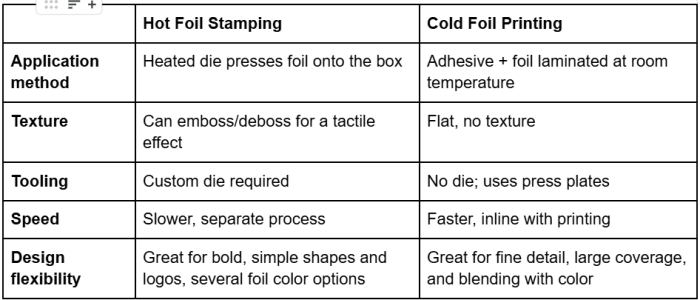
  • Cold foil, which enables fine metallic detail and vibrant colors and is applied in-line during printing
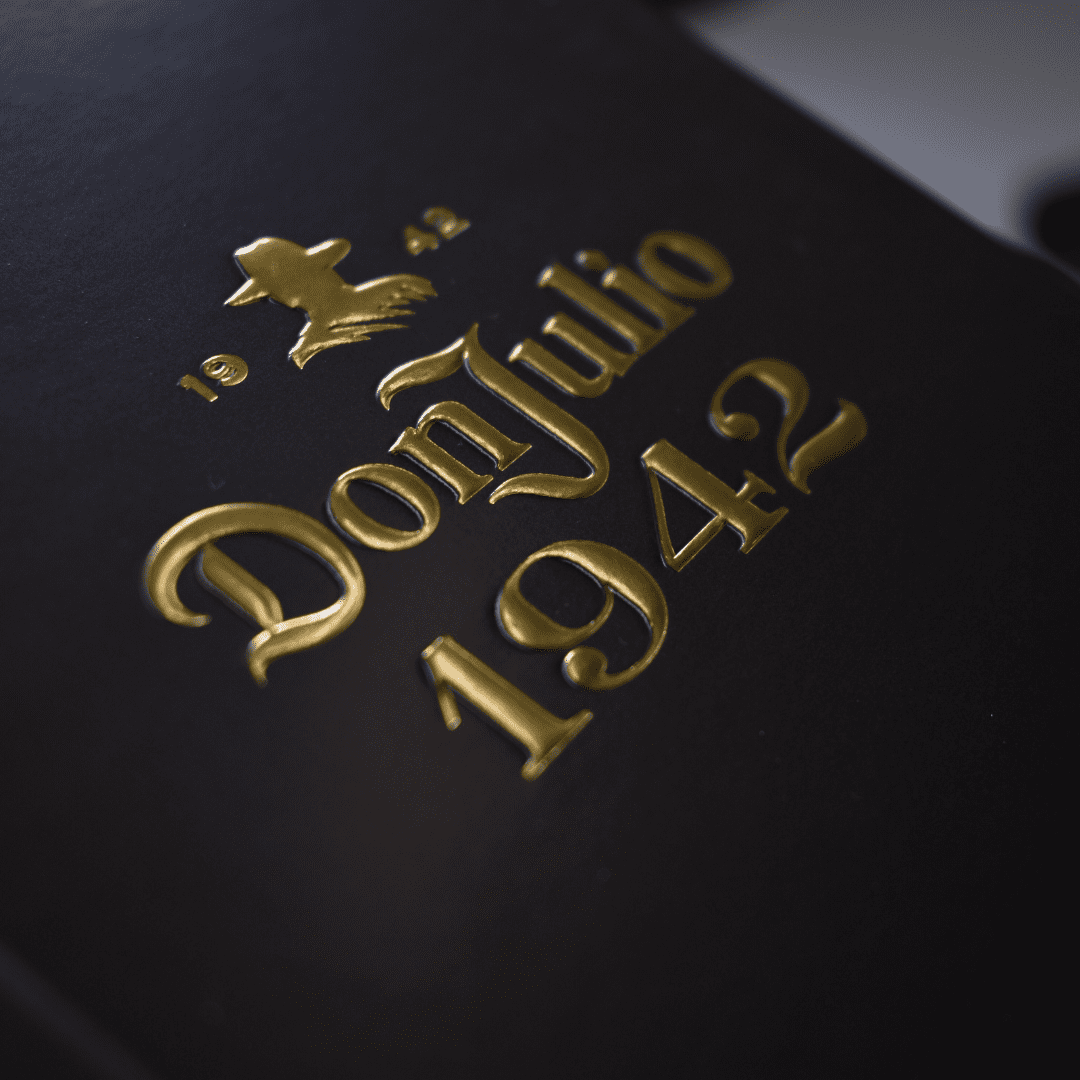
  • Hot foil stamping for premium metallic accents
  • Embossing and debossing to add dimension and texture
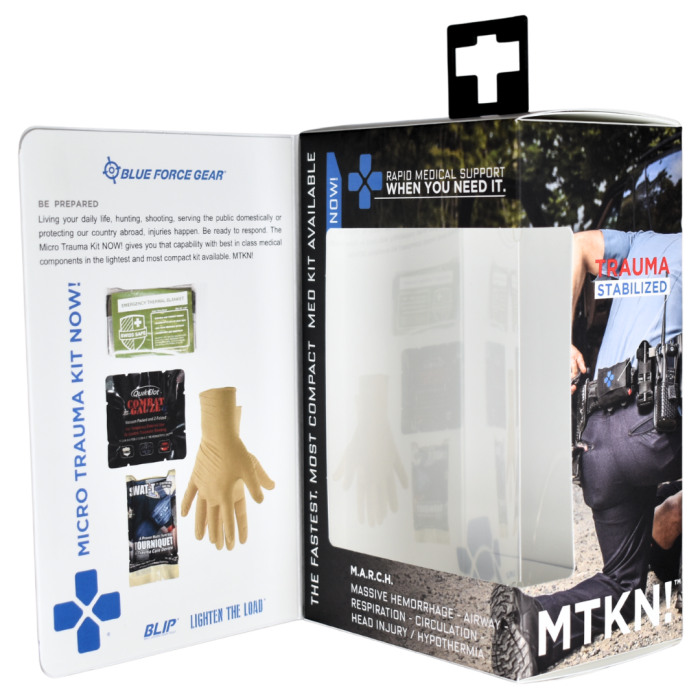
  • Windowing to display the product inside the carton
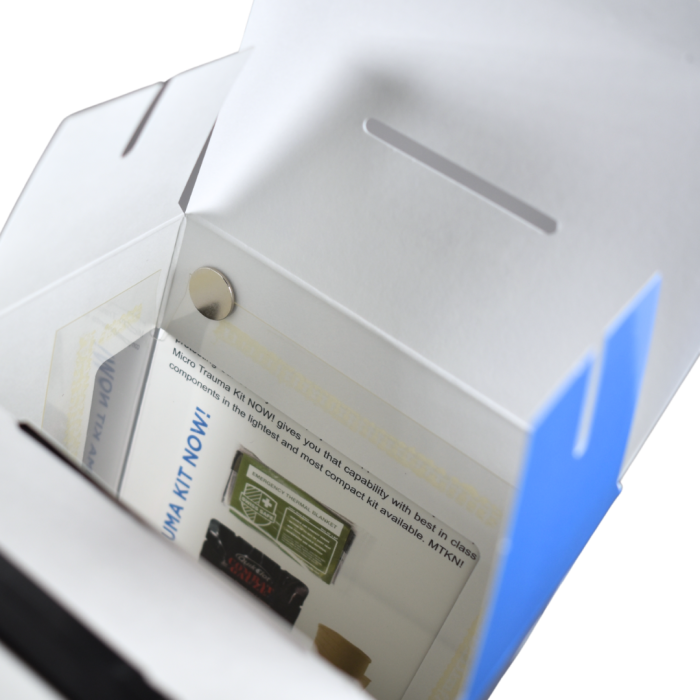
  • Magnet placement for specialty packaging and rigid box applications

Speed and Production Lead Times

Many brands operate in fast-moving markets where speed to market is critical. Manufacturers with strong internal capabilities can often deliver faster turnaround times.

In-House Departments

Wynalda Packaging maintains several in-house departments that accelerate project timelines, including:

  • Structural design
  • Die-making
  • Ink formulation

Controlling these processes internally reduces dependency on outside vendors and helps projects move efficiently from concept to production.

Average Lead Times at Wynalda Packaging
  • Folding cartons: 2–3 weeks
  • Rigid boxes: 2–6 weeks
  • Molded pulp packaging: 2–3 weeks
  • Molded pulp tooling: approximately 3–4 months

Actual timelines may vary depending on design complexity, materials, and tooling requirements.

Structural Design & Service

Structural design plays a major role in packaging performance, product protection, and consumer experience. Having an experienced packaging engineer to help optimize your packaging for performance, user experience, aesthetics, and manufacturability is a very important factor for brands that don’t have structural designers on staff.

Wynalda Packaging maintains an in-house structural design team that develops custom packaging structures. During development, brands can review unprinted prototypes to test product fit and functionality, as well as printed samples that simulate the final production packaging. This process allows brands to validate packaging performance before committing to full-scale manufacturing.

Manufacturing Capacity

Production capacity is another important factor when comparing folding carton manufacturers. Brands need a supplier that can support both current demand and future growth.

Wynalda operates a large-scale manufacturing facility with significant capacity across folding cartons, rigid boxes, and molded pulp packaging. This allows the company to support both emerging brands and large national programs, scaling production while maintaining consistent quality and lead times.

Minimum Order Quantities

Minimum order quantities vary widely across packaging suppliers.

At Wynalda Packaging, brands generally begin seeing strong value at the following volumes:

  • Folding cartons: approximately 5,000 units
  • Rigid boxes: approximately 5,000 units
  • Molded pulp packaging: approximately 50,000 units

Because molded pulp packaging requires specialized tooling, higher production volumes generally provide the best value.

Comparing Size Categories

When researching folding carton manufacturers in the U.S., brands typically encounter three size categories of suppliers.

Large Global Packaging Corporations

These manufacturers operate massive facilities and produce extremely high volumes.

Advantages
  • Global supply networks
  • Large production capacity
Considerations
  • Higher minimum order quantities
  • Less flexibility for custom projects
  • Longer lead times for smaller runs

Mid-Size Specialized Manufacturers

Mid-size manufacturers (like Wynalda) often combine strong capabilities with more flexible collaboration.

Advantages
  • Custom structural design
  • Advanced finishing capabilities
  • Direct access to engineering and production teams
  • Flexible production volumes


Small Specialty Packaging Shops

Smaller suppliers can be a good fit for limited production runs.

Advantages
  • Very small order quantities
  • Highly personalized service
Considerations
  • Limited production capacity
  • Fewer finishing capabilities
  • Less ability to scale with brand growth

Choosing the Right Folding Carton Partner

Selecting the right packaging manufacturer involves balancing sustainability, design capabilities, production speed, and scalability. Manufacturers that offer integrated capabilities such as structural design, specialty finishing, and multiple packaging formats can help streamline the packaging development process while supporting long-term brand growth. 

Child-Resistant Packaging

Child-Resistant Packaging

What Is Child-Resistant Packaging?

Child-resistant (CR) packaging is designed to be significantly difficult for children under the age of five to open within a set period of time. The goal is to prevent most young children from accessing the contents during a short testing window, while ensuring adults can still open and properly close the package.


Child-Resistant vs. Child-Proof Packaging

The term “child-proof packaging” is often used in conversation, but it is not a recognized regulatory standard. The correct term is child-resistant packaging, which reflects the true intent of these designs. No package is completely “child-proof.” Child-resistant designs are created to delay access and reduce risk, not eliminate it. 

Child-Resistant Cartons

CR packaging is not limited to bottles and caps. Folding cartons can also be engineered with integrated safety mechanisms.

Common child-resistant box designs include:

  • Push-and-slide trays requiring pressure at a specific location
  • Locking tabs that must be engaged simultaneously
  • Multi-step opening sequences
  • Hidden release points combined with structural resistance

These designs rely on coordinated movements that are difficult for young children to execute, but intuitive for adults once understood.

Because the mechanism is built into the structure, precise engineering, board selection, and manufacturing consistency are critical.


Industries That Use CR Packaging

Several industries rely on child-resistant packaging to meet regulatory requirements and reduce liability risk:

  • Cannabis products
  • Nicotine and vaping products
  • Pharmaceuticals (prescription and OTC)
  • Certain cosmetics and personal care items
  • Household chemicals

As regulatory oversight expands—particularly in emerging markets like cannabis—CR packaging has become a critical component of compliance strategies.


How CR Packaging Is Certified

Certification of child-resistant packaging involves standardized, third-party testing protocols. In the United States, performance requirements are regulated by the U.S. Consumer Product Safety Commission (CPSC) under the Poison Prevention Packaging Act (PPPA). Packaging must meet specific performance thresholds that demonstrate it is challenging for young children to open within a reasonable timeframe, yet usable for adults.


Child Panel Testing

Children between 42 and 51 months of age participate in controlled testing. They are given a limited amount of time to attempt to open the package without instruction. If unsuccessful, they may receive a demonstration and a second opportunity. To pass, a high percentage of children must be unable to open the package within the initial test period, and a certain percentage must still be unable to open it after demonstration.


Senior Adult Testing

Adults typically between ages 50 and 70 are tested to confirm the packaging is not overly difficult for its intended users. To pass, a large majority of adults must be able to open and properly reclose the package within the specified time frame. This testing ensures safety does not come at the expense of accessibility.


Independent Laboratory Evaluation

Testing must be performed by an accredited third-party laboratory. Internal testing alone is not sufficient for regulatory compliance.


Documentation and Compliance Requirements

Once a package successfully passes testing:

  • A General Certificate of Conformity (GCC) is issued by the manufacturer 
  • Suppliers provide documentation tied to the specific system tested
  • Detailed records must be retained in case of regulatory review or investigation

Compliance applies to the exact configuration tested. Any modification to board grade, structural dimensions, closure components, or manufacturing tolerances could affect performance and invalidate prior certification. This is why early engineering alignment and production consistency are critical.


Designing for Safety and Manufacturability

Developing effective child-resistant packaging requires balancing:

  • Regulatory compliance
  • Consumer usability
  • Brand presentation
  • Production efficiency

It is not simply about adding a locking feature. It’s about designing an integrated system that performs reliably at scale.

For brands operating in regulated categories, investing in properly engineered and certified child-resistant packaging protects consumers, supports compliance, and reduces risk exposure.


Need a Custom CR Packaging Solution?

If you’re exploring CR options for your product, our packaging engineers can develop a custom solution tailored to your product and industry requirements.

Get the conversation started today!

Custom Packaging Inserts: Types & Examples

Custom Packaging Inserts: Types & Examples

When designing premium packaging, the insert inside the box is just as important as the box itself. Custom box inserts not only protect the product, they enhance the entire unboxing experience. The right solution depends on your product, brand aesthetic, sustainability goals, and how the package will be handled in transit and at retail.

Here’s a breakdown of the most common packaging insert options and when each one makes the most sense.


Paperboard Inserts

Paperboard or cardboard inserts are one of the most versatile and sustainable solutions available. They are fully recyclable and can be produced using recycled or FSC®-certified materials. Cost effective and highly customizable, paperboard inserts allow for printing, coatings, embossing, and foil stamping to align with your brand’s visual identity.

Makeup Kit

Fragrance Travel Set

Gourmet Food Multipack

Corrugated / Cardboard Inserts

Corrugated or cardboard inserts provide added strength and durability while remaining eco-friendly and economical. These inserts can be laminated with printed paperboard to combine structural performance with high-end graphics. They are ideal for heavier products, gift sets, and multi-item kits that require additional support without sacrificing presentation.

Fragrance Kit

Whiskey Gift Set

Molded Pulp Inserts

Molded pulp inserts are an increasingly popular sustainable alternative to plastic-based options. They are recyclable, can be made from recycled materials, and offer a premium, ultra-smooth surface. These inserts are custom molded to cradle products precisely while providing excellent strength and protection. They can also be laminated with printed paperboard for enhanced presentation.

Perfume Box

Phone Accessory Packaging

Fragrance Sample Kit

Thermoformed Inserts

Thermoformed inserts provide a smooth, premium appearance and are custom formed to fit your product perfectly. They offer strong protection and are typically more budget friendly than molded pulp. This option is often chosen when clarity, precision fit, and a refined look are priorities.

Liqueur Gift Set

Pharmaceutical Packaging


Cosmetics Kit

Foam Packaging Inserts

Foam inserts for boxes offer exceptional cushioning for fragile products while maintaining a clean, premium look. They are custom fabricated for a precise fit and can be a cost-effective option when maximum protection is required.

Influencer Kit

Earphones Packaging

Optics Box


Finding the Right Insert for Your Package

Each insert option offers a unique balance of sustainability, protection, aesthetics, and cost. Whether you’re prioritizing eco-friendly materials, premium presentation, or maximum durability, selecting the right insert can significantly enhance both product protection and the overall customer experience.

Engaging with your packaging partner early in the design process ensures the insert complements the structure, supports your sustainability goals, and delivers the unboxing experience your brand is known for. Get your project started by speaking with a packaging expert today!

Eco-Friendly Inks and Coatings: Choosing Sustainable Options

Eco-Friendly Inks and Coatings: Choosing Sustainable Options

At Wynalda Packaging, we believe that high-impact aesthetics should not come at the expense of the planet. As brands move toward more circular economies, eco-friendly inks and coatings have become a critical factor in packaging. 

So, which options offer the best balance of performance and planet-friendliness? Let’s dive into the details.

Eco-Friendly Ink Options

The sustainability of an ink is largely determined by its “vehicle”—the liquid that carries the pigment. Here is how the most common industry options compare.

Vegetable-Based OffsetPetroleum-Based OffsetUV-CurableWater-Based FlexoLanda NanoInk®
Base chemistryPlant oils + pigment + driersMineral oils + pigmentAcrylate oligomers + photoinitiatorsWater + resin + pigmentWater + polymer-bound nano-pigments
Renewable / bio content30 – 70 %~0 %LowMediumModerate
VOCs / emissionsVery lowHighNone (no solvent, but photoinitiators not benign)Very lowVery low
Drying mechanismOxidative polymerization (slow)Oxidative polymerizationUV-cure polymerizationEvaporationEvaporation + film transfer
Drying speedSlowModerateInstantFastFast
Odor / work environmentLowMedium–highLowLowVery low
Rub / scuff resistanceMediumMed–HighHighMediumHigh
Color strength / glossGoodExcellentExcellentMediumExcellent
De-inkability / recyclabilityExcellentFairPoor – variableExcellentClaimed excellent
VOC / air-permit impactMinimalSignificantMinimalMinimalMinimal
Energy in curingLowLowHighLowModerate
Press waste reductionNormalNormalNormalNormalHigh (digital, no plates)
Laser-etch compatibilityGoodGoodPoorFairVariable (needs window)
Sustainability marketing valueStrongWeakModerateModerateStrong
Typical useSheetfed paperboardSheetfed / webUV offset / flexoCorrugated / paperboardDigital folding cartons
Environment Score4.5 / 52 / 53 / 54 / 54.5 / 5

Vegetable-Based Offset

This is one of the most eco-friendly choices available. By replacing petroleum-based mineral oils with plant-derived oils, these inks offer high renewable content and very low VOC emissions. They are also widely recognized for having excellent de-inkability, making them a favorite for recyclable paperboard.

Petroleum-Based Offset

While traditionally popular for their excellent color strength and gloss, petroleum-based inks rely on mineral oils and result in high VOC emissions. They are increasingly being phased out by brands with strong sustainability mandates.

UV-Curable

UV-curable inks use acrylate oligomers and photoinitiators that dry instantly under UV light. While they produce no solvent emissions, the photoinitiators are not considered “benign,” and require high energy for curing. Their recyclability is also variable, often proving difficult to strip from fibers.

Water-Based Flexo

Frequently used for corrugated packaging, water-based flexo inks are a solid sustainable choice. They utilize water and resin rather than harsh chemicals, resulting in very low VOCs and excellent recyclability.

Landa NanoInk®

Representing the cutting edge of digital print, Landa NanoInk® is another eco-friendly choice. Because it is a digital process, it significantly reduces press waste by eliminating plates. It offers moderate renewable content and excellent de-inkability, making it a “strong” marketing value for eco-conscious brands.

Eco-Friendly Coating Options

Coatings protect the print and provide the tactile experience of the package. For modern brands, the goal is to find the ‘sweet spot’ where high-performance durability, premium aesthetics, and environmental stewardship intersect.

Aqueous GlossAqueous MatteAqueous Soft TouchUV GlossUV SatinUV MatteUV Soft-TouchFilm Laminate (PET/BOPP)
Base chemistryWater-borne acrylicWater-borne acrylicModified acrylic100 % solids UV acrylate100 % solids UV acrylate100 % solids UV acrylateModified acrylic / urethane (UV-curable)Plastic film + adhesive
VOC emissionsVery lowVery lowLowNoneNoneNoneNoneNone
Curing / dryingHot air / IRHot air / IRHot air / IRInstant UVInstant UVInstant UVInstant UVHeat / pressure
Surface glossHighLowVery lowVery highMediumLowVery lowVariable
Rub / scuff resistanceModerateModerateGoodExcellentExcellentGoodVery goodExcellent
Laser-etch compatibilityFair–GoodExcellent (best)Fair–PoorPoorPoor – VariableFairPoorVery poor
Recyclability / repulpabilityExcellentExcellentGoodGoodGoodGoodGood–ModeratePoor
Renewable contentModerateModerateLow–ModerateLowLowLowLowLow
Tactile feelSlickPaper-likeVelvety / soft rubberizedSlick / glassySmooth satinSmooth low-glossVelvety / rubberyPlastic
Typical usesFood, pharmaPremium, laser windowsSustainable & luxury packagingSpirits / cosmeticsPremium generalPremium matteCosmetic, spirits, and luxury packagingUltra-premium barrier
Relative costLowLowMediumMediumMediumMediumMed–HighHigh
Environment Score4 / 54.5 / 53.5 / 53 / 53 / 53.5 / 53 / 52 / 5

AQ (Aqueous) Coatings

Aqueous coatings are water-borne acrylics that are generally considered the most sustainable finishing option.

  • Gloss: Offers a high-shine finish with very low VOCs. It is a standard for food and pharma packaging due to its excellent recyclability.
  • Matte: The sustainability leader in coatings. It provides a paper-like feel and is the best option for packages requiring laser-etching windows for serial numbers or barcodes.
  • Soft-touch: Provides a velvety, rubberized feel for luxury packaging. While it has a slightly lower environment score than other AQ options, it remains a more sustainable alternative to plastic laminates.

UV Coatings

UV coatings provide a premium, durable finish but require high energy to cure and offer low renewable content.

  • Gloss: Known for a slick and glassy feel with very high surface gloss. 
  • Satin: Provides a smooth, medium-gloss finish often used for premium general packaging.
  • Matte: Offers a smooth, low-gloss look, slightly better for recyclability than its gloss counterpart.
  • Soft-touch: A modified acrylic/urethane coating that provides a premium, rubbery feel for luxury spirits and cosmetics, though it is more expensive.

Film Laminate (PET/BOPP)

Film lamination involves adhering a literal layer of plastic to the paperboard. While it offers an excellent barrier and scuff resistance, it is the least sustainable option. It is difficult to recycle and relies on plastic films, making it a challenge for brands aiming for plastic-free packaging.

Conclusion

Every choice made during the design process leaves a footprint. By opting for vegetable-based inks and aqueous coatings, brands can achieve a premium look while maintaining high recyclability and low emissions. 

At Wynalda Packaging, we are committed to helping you find the perfect balance between shelf presence and environmental responsibility. Speak with a packaging expert to get your project started!