
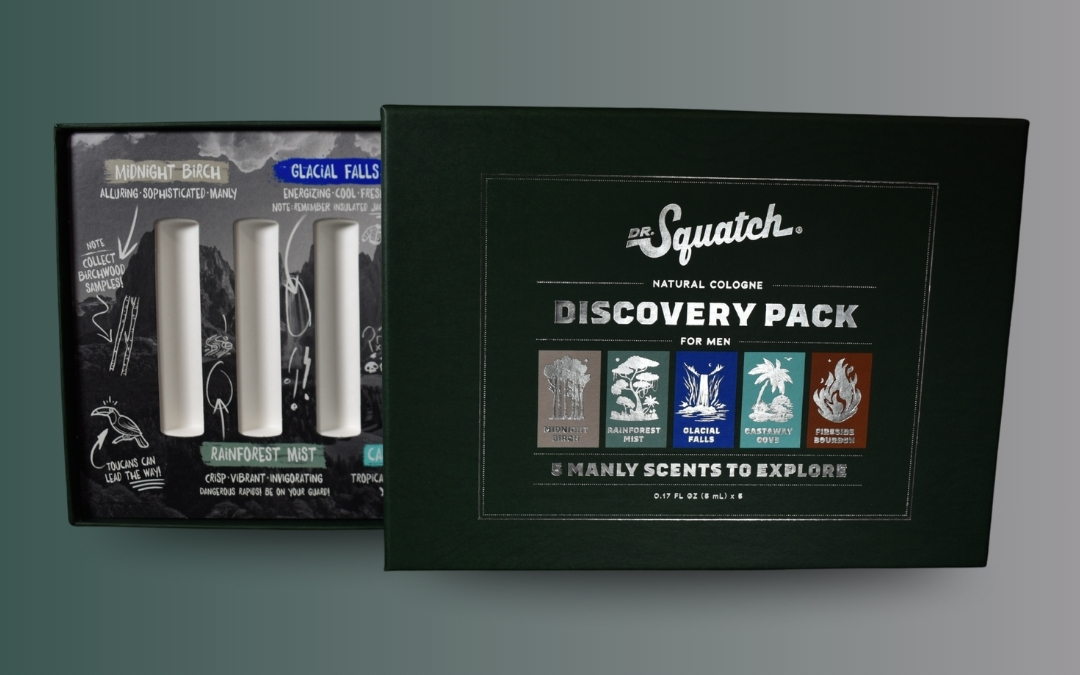
Mono-material packaging is becoming an increasingly important part of sustainable packaging conversations. As brands look to reduce plastic and simplify material streams, many are exploring packaging systems made from a single material family.
One example is 100% paper-based packaging.
At Wynalda Packaging, we specialize in molded pulp, folding cartons, and rigid set-up boxes. By combining these capabilities, we can develop mono-material packaging systems that provide the structure, product protection, and presentation that premium brands require, while eliminating plastic components.
What Is Mono-Material Packaging?
Mono-material packaging is designed using one material type or materials that can remain within the same recycling stream.
Traditional packaging often combines paperboard with plastic trays, foam inserts, and other materials. A paper-based approach can replace those components with molded pulp, paperboard, or corrugated alternatives.
The goal is to reduce material complexity while still delivering the performance the product requires.
Mono-Material Packaging Examples
- Rigid boxes with molded pulp inserts
- Rigid boxes with paperboard or corrugated/fluted inserts
- Folding cartons with molded pulp inserts
- Folding cartons with paperboard inserts
Having multiple capabilities allows us to recommend the best solution based on the product, production volume, presentation requirements, sustainability goals, and cost.
Multi-Material Packaging Examples
On the other hand, a package can primarily be made from paperboard but still include materials that complicate the overall material structure. Examples include:
- A folding carton with soft-touch film lamination
- A rigid box laminated with metallized polyester (MPET)
- A folding carton with a plastic window
- A rigid box with a foam insert
- A folding carton with a thermoformed plastic tray
These packages combine paperboard with plastic films, plastic inserts, foam, or other materials. While some individual components may be recyclable or removable, the overall package is not a true mono-material packaging system.
Simplifying Recycling
One of the primary advantages of mono-material packaging is that it can simplify the recycling process.
Mixed-material packages may require consumers or recyclers to separate different components. A well-designed paper-based package can keep more of the packaging within the paper recycling stream, subject to local recycling requirements and infrastructure.
Paper also has the advantage of being widely recognized by consumers as a recyclable packaging material, with an established collection and recycling infrastructure for many paper-based formats.
Sustainability Without Sacrificing Presentation
Switching to 100% paper-based packaging does not mean giving up premium packaging.
Paper-based materials can still provide the structural performance, decoration, and presentation expected of premium brands. Rigid boxes can create a high-end unboxing experience. Custom paper-based inserts can securely hold and protect the product. Folding cartons can deliver high-quality graphics and a wide range of decorative options.
Premium finishing techniques such as foil stamping can also be incorporated into paper-based packaging. The small amount of foil transferred during the stamping process does not prevent the package from being processed through the paper recycling stream, allowing brands to add metallic decoration and shelf appeal while maintaining a paper-based packaging system.
The Impact of EPR
Extended Producer Responsibility (EPR) regulations are also becoming a larger part of packaging decisions.
Depending on the program and jurisdiction, producer fees may be influenced by factors such as material selection, recyclability, and the amount of packaging placed into the market.
As these regulations evolve, brands have another reason to evaluate packaging structures that reduce difficult-to-recycle materials and simplify material streams.
Looking Ahead
The combination of sustainability goals, consumer expectations, and evolving EPR requirements will likely continue driving interest in mono-material and 100% paper-based packaging.
By combining molded pulp, folding cartons, rigid set-up boxes, and other fiber-based components, Wynalda Packaging can help brands develop paper-based packaging systems that balance sustainability, product protection, aesthetics, and cost.
There is no one-size-fits-all solution. The right approach depends on the product, volume, and packaging objectives—but there are more options than ever for creating premium packaging without relying on plastic.