Packaging Sourcing Strategies

Packaging Sourcing Strategies

Minimizing Risk in Your Packaging Supply Chain

In today’s market, efficient packaging procurement is essential to a company’s overall supply chain success. Your packaging supply chain plays a pivotal role in ensuring that products reach consumers on time and in optimal condition. Outsourcing anything, including your packaging, comes with its own set of risks, but by employing the following packaging sourcing strategies, you can mitigate those risks and bolster the resilience of your packaging supply chain.


Robust Quality Control Processes

Selecting the right packaging supplier requires a focus on their quality assurance protocols. Early detection and resolution of manufacturing issues are key to avoiding costly delays and defects in the final product. Choose a supplier who adheres to rigorous quality testing to ensure your packaging meets all necessary standards for durability, functionality, and appearance.


Prototyping Services

Physical prototypes are invaluable in the packaging design process. Before committing to full-scale production, prototypes allow you to assess the look, feel, and functionality of your packaging, enabling you to make necessary adjustments early on. This foresight can prevent costly errors and ensure that the final product aligns with your brand’s vision. Work with a manufacturer that provides structure samples for review and testing to ensure your products are both presented and protected well.


Turnkey Suppliers

To minimize risks, consider partnering with turnkey packaging suppliers who handle the entire manufacturing process in-house. By consolidating everything under one roof—design, ink production, sheeting, printing, die making, die cutting, foil stamping, embossing, folding, gluing, and quality testing—you reduce the chances of costly errors and delays, while maintaining greater control over the final product.


Proven Speed-to-Market

Speed-to-market is a critical factor in packaging procurement. Choose suppliers known for their short lead times and reliable on-time delivery. A proven track record in these areas ensures that your packaging supply chain remains efficient and responsive to market demands. Ask your suppliers what their average lead times and on-time delivery rates are to get a good idea of what you can expect.


Anti-Counterfeiting and Anti-Diversion Strategies

Counterfeiting and diversion pose a great risk, as these tactics can harm brand integrity, reduce consumer safety, and incur liability issues. To combat this, there are numerous anti-counterfeiting and anti-diversion features that can be incorporated into your packaging—such as serialization, holograms, and security inks. Make sure to choose a packaging supplier who offers these techniques to help safeguard your brand against counterfeiting and diversion.


Vendor Managed Inventory Program

A Vendor Managed Inventory (VMI) program can offer additional security for your packaging supply chain. By allowing your supplier to maintain an inventory of your packaging, you ensure that your products are always ready for immediate shipment, reducing the risk of stockouts and delays.
Create a Seamless Packaging Supply Chain

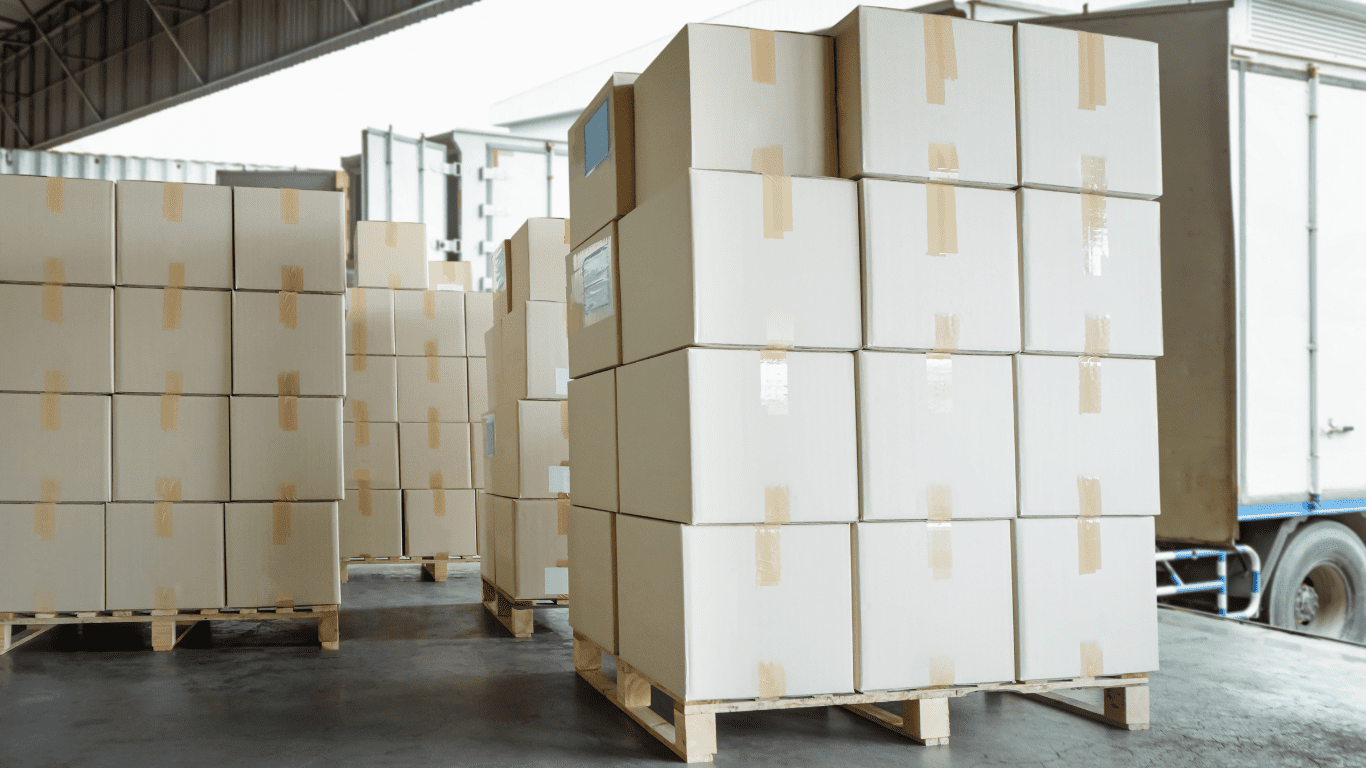
By adopting these packaging sourcing strategies, companies can significantly reduce risks within their packaging supply chain, ensuring that products are delivered on time and meet the highest quality standards. 


At Wynalda Packaging, we specialize in helping our customers implement these strategies to create a seamless and efficient packaging supply chainContact us today to learn how we can support your business in minimizing risks and enhancing supply chain reliability.

Types Of Folding Carton Boxes

Types Of Folding Carton Boxes

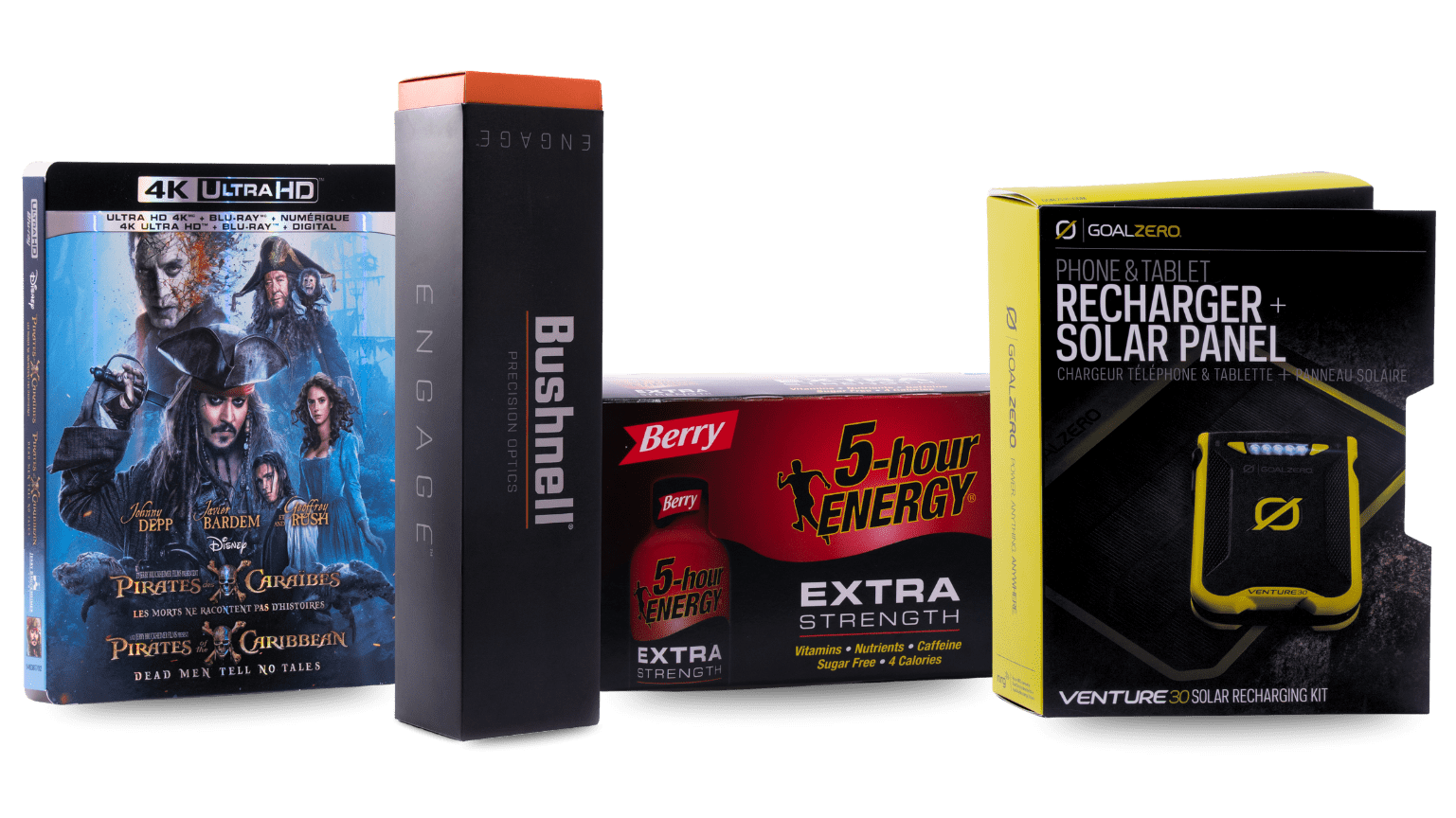
Paperboard folding cartons are highly customizable and can hold a large variety of product types and sizes, making them a very popular choice among the different types of boxes for packaging.

Below are the six most common types of folding carton boxes that can serve as the starting point of your packaging design, with numerous other designs and variations available. These folding carton styles can be adjusted—and even combined—to create a custom box that fits your product perfectly. 

Straight Tuck

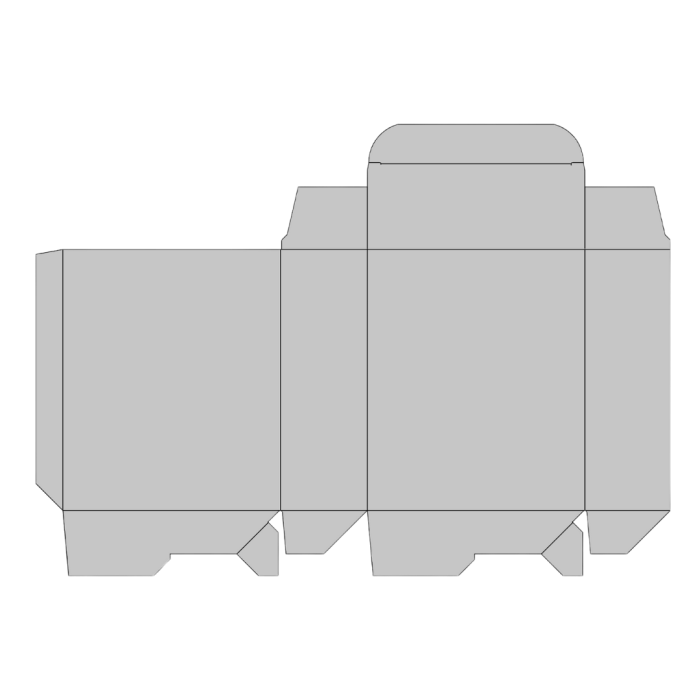
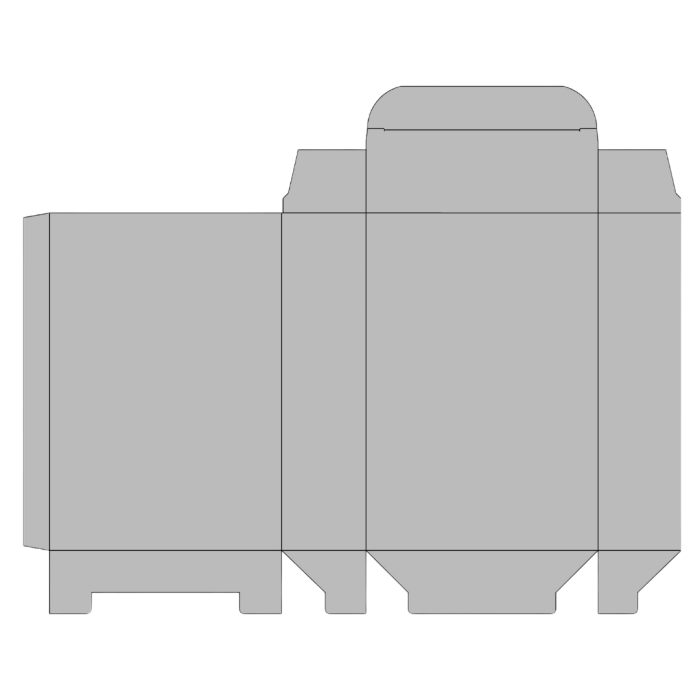
Straight tuck folding cartons have top and bottom flaps located on the same side. This design saves space and reduces storage costs, making it economical for manufacturers and retailers. This carton style is versatile and suitable for many different types of products, including retail goods, pharmaceuticals, and personal care items. They offer ease of assembly and a clean, professional appearance on store shelves, enhancing product visibility and consumer appeal.

Reverse Tuck

Reverse tuck folding cartons feature top and bottom flaps on opposite sides, offering a secure closure and easy opening experience for consumers. This carton box type provides a sleek and polished look that enhances product presentation. Many brands in the cosmetics, food and beverage, and health and wellness industries use this style of carton. Reverse tuck cartons facilitate efficient packing and unpacking processes.

Auto-Lock Bottom

Auto bottom paperboard folding cartons are designed to automatically erect when opened, minimizing assembly time and labor costs in packaging operations. They are ideal for products that require quick and efficient packaging, such as food items, cosmetics, and pharmaceuticals. The auto-lock bottom feature ensures a secure base, enhancing product stability during transportation and on store shelves. This type of carton offers convenience and reliability, making it a preferred choice for high-volume production environments.

Lock Bottom

Lock bottom paperboard folding cartons are specifically engineered for heavier items that require extra strength and durability during packaging and transport. They feature a secure locking mechanism at the bottom, which provides enhanced structural integrity and prevents the box from collapsing under the weight of its contents.  Electronics, household appliances, and automotive parts brands often choose lock bottom cartons for their packaging.

Sleeve Box

Sleeve paperboard folding cartons consist of an outer sleeve that slides over an inner tray or box, providing an additional layer of protection and aesthetic appeal. You can customize these cartons with printing and finishing options to showcase branding and product information effectively. They are often used for premium products such as chocolates, candles, and luxury goods. Sleeve cartons allow for creative packaging solutions that attract consumers’ attention and reinforce brand identity.

Two-Piece

Two-piece paperboard folding cartons consist of separate top and bottom pieces that fit together to form a complete package. This carton style is commonly used for gift boxes, apparel packaging, and specialty items. They provide a high-end look and feel, making them suitable for retail environments and promotional campaigns. Two-piece cartons offer durability and protection while enhancing the overall customer experience through premium packaging solutions.

Custom Designs

While the above carton types are the most common base designs, they are not a limitation. Our design team can work with you to create a unique, innovative packaging solution for your product that will stand out on the shelves.

Talk to a packaging expert today to get started finding the right types of folding carton boxes for your packaging.