Molded Pulp Alternatives to Plastic Packaging

Molded Pulp Alternatives to Plastic Packaging

Plastic has long been a go-to material for packaging due to its versatility and cost-effectiveness. It’s commonly used for:

  • Trays: To organize and secure multiple items within a package.
  • Blister Packs: Providing tamper-evident solutions for products.
  • Clamshells: Holding individual products securely.

However, with society’s growing push toward sustainability—exemplified by initiatives like California’s new single-use plastic law—the demand for eco-friendly, plastic-free alternatives is surging. Brands and manufacturers are now challenged to rethink their packaging strategies and embrace creative, sustainable solutions.


Molded Pulp Packaging Solutions

Molded pulp is emerging as one of the leading alternatives to plastic packaging. Made from paper fibers with up to 100% recycled content, molded pulp is not only sustainable but also highly versatile, offering diverse plastic-free packaging solutions. Here are six examples of how molded pulp packaging can be used to replace plastic:

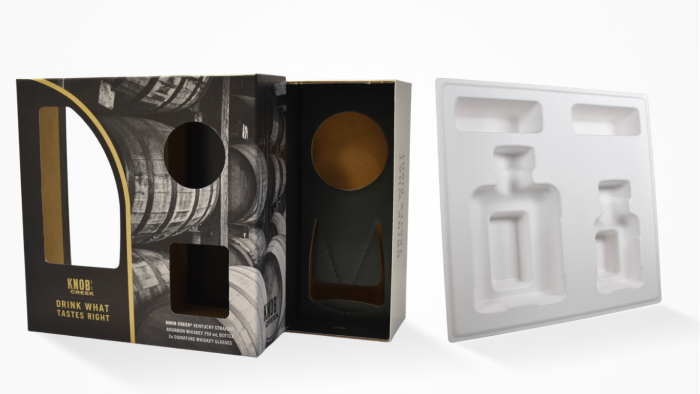
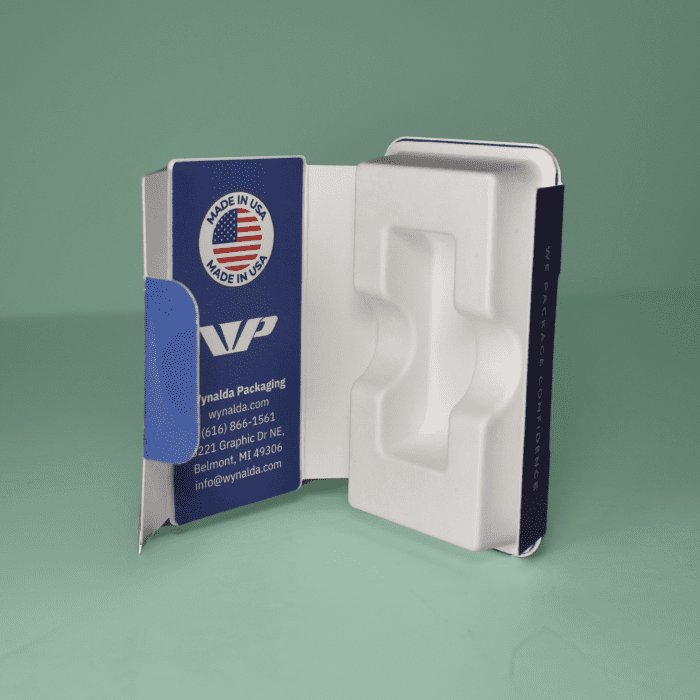
Molded Pulp Book-Style Package

A molded pulp tray adhered to a printed paperboard o-sleeve with sealed closure provides an engaging unboxing experience and unique product presentation.

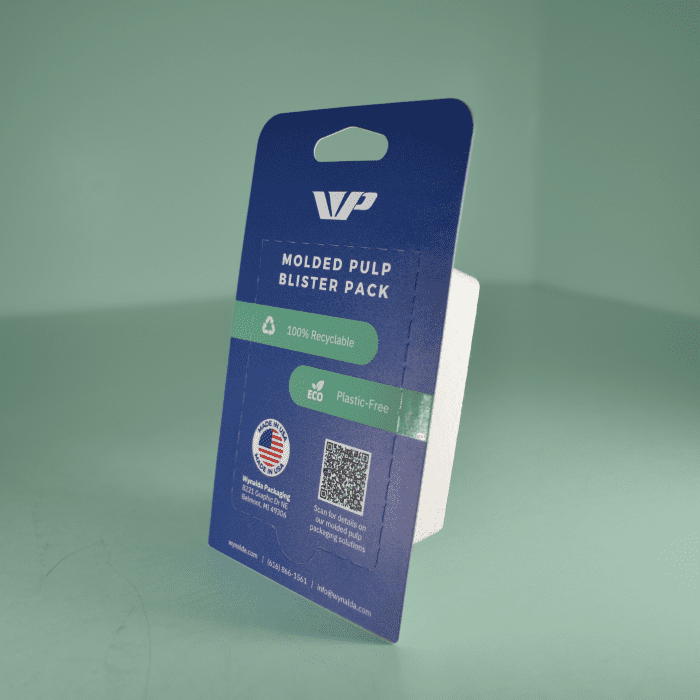
Molded Pulp Blister Pack

A sustainable alternative to traditional plastic blister packs, this design offers tamper evidence while being eco-friendly.

Molded Pulp Tray + Rigid Box

Great for luxury brands, this combination provides a premium unboxing experience without sacrificing sustainability.

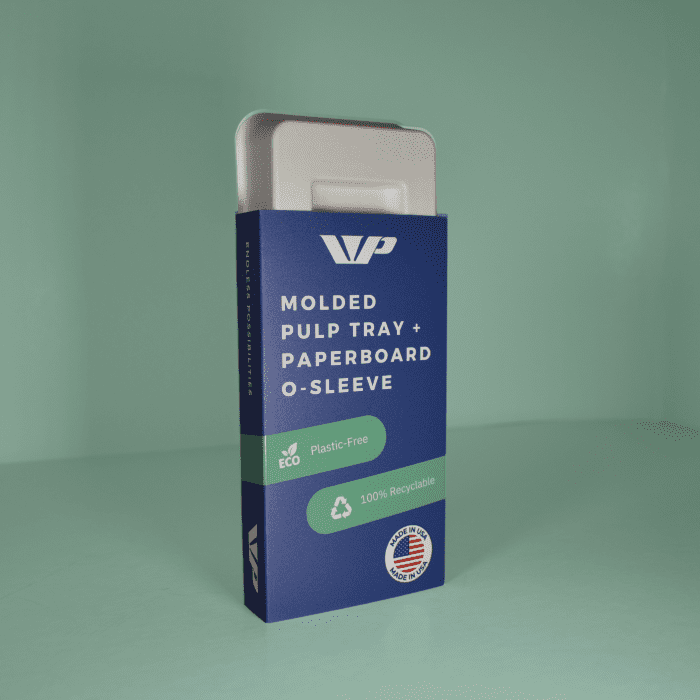
Molded Pulp Tray + Paperboard O-Sleeve

This design provides a cost-effective and eco-friendly solution for securing and presenting products.

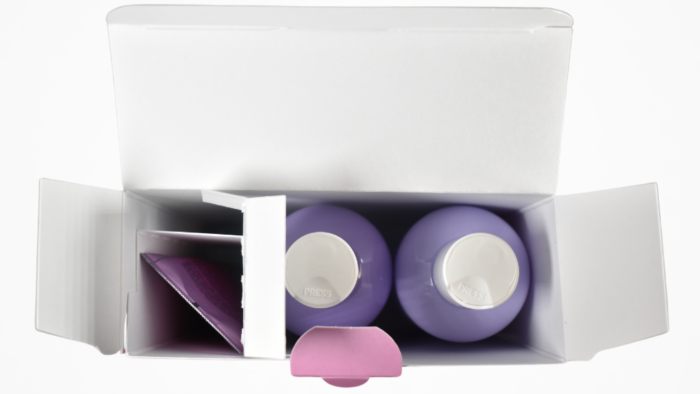
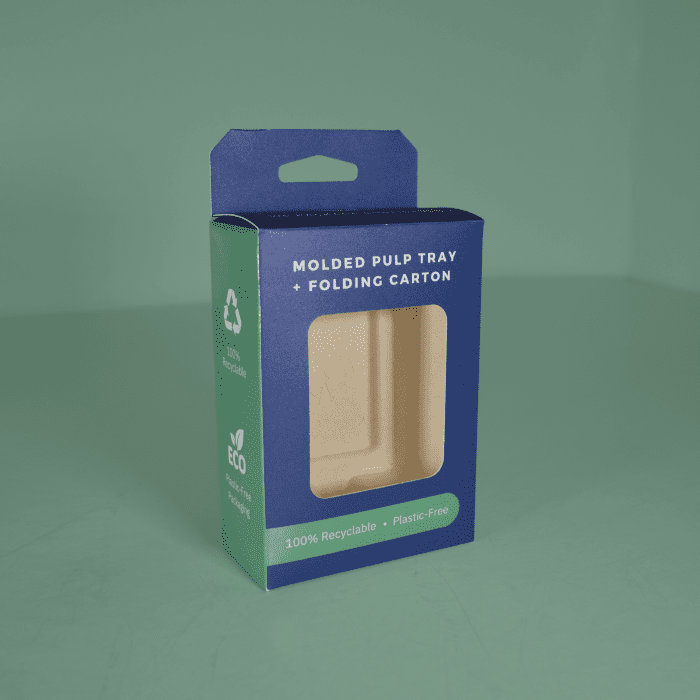
Molded Pulp Tray + Folding Carton

This pairing provides a sustainable version of a popular packaging method, holding a product in place within its outer packaging.

Molded Pulp Clamshell

A sustainable replacement for plastic clamshells, this design provides a secure and eco-friendly enclosure.

Customizing Molded Pulp Trays

Molded pulp packaging isn’t just about sustainability; it’s also a blank canvas for creativity and design. In addition to the limitless opportunities to customize the structure of molded pulp packaging, here are a few ways to further tailor it to reflect your brand identity.

Branding

Just like plastic thermoformed trays, molded pulp trays can incorporate logos and other branding elements for a professional and cohesive look.

Paperboard Masking

Molded pulp trays can be elevated by applying printed paper with specialty finishes like foil stamping, embossing, or coatings.

Innovate With Molded Pulp Packaging

As brands seek to align with eco-conscious consumers and comply with evolving regulations, transitioning to alternatives for plastic packaging like molded pulp offers an excellent opportunity to innovate while prioritizing sustainability. Whether it’s a molded pulp blister pack or a tray inside a rigid box, these solutions demonstrate that functionality, aesthetics, and environmental responsibility can go hand in hand.

Ready to explore sustainable packaging options for your products? Contact us today to learn how molded pulp can meet your needs while helping the planet.

Reshoring: The Pull Toward Domestic Packaging

Reshoring: The Pull Toward Domestic Packaging

Why Companies Are Switching To Domestic Packaging

Global supply chain challenges and shifting economic conditions have led many companies to reevaluate their reliance on international suppliers. Reshoring, or the practice of bringing manufacturing back to domestic shores, is becoming a key strategy for businesses seeking greater control, stability, quality, and cost efficiency in their operations.


More and more companies are making the switch to domestic packaging manufacturers like Wynalda Packaging, where we source all of our materials domestically and manufacture in our Michigan facilities. Here’s why:


Tariffs

Upcoming economic policies are expected to make importing goods more expensive for businesses. Increases in tariffs on imports from countries like Mexico, Canada, and China will add significant costs to internationally sourced packaging. Domestic manufacturing offers a way to sidestep these unpredictable expenses, creating a more stable cost structure for businesses.


Shipping Costs

Shipping costs are a significant factor when sourcing packaging from international suppliers. International transportation can add substantial expenses to the final cost. Additionally, fluctuating fuel prices and rising transportation rates make predicting costs even more challenging. By shifting to domestic packaging manufacturing, businesses can eliminate the need for overseas shipping, streamline logistics, and minimize delivery distances, leading to lower overall costs.


Reliability

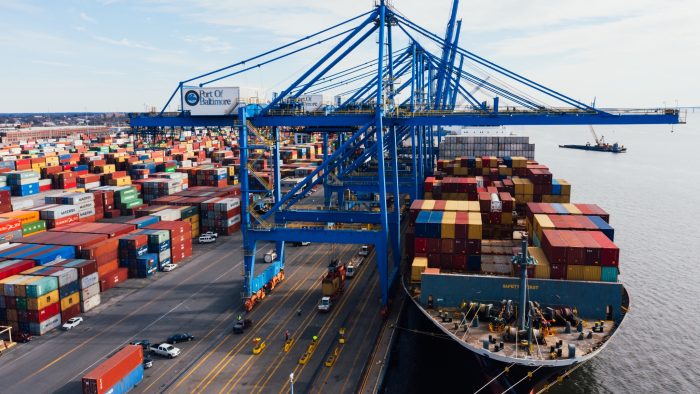
In 2024, we saw multiple disruptions in the maritime supply chain, including the port strike, the Red Sea Crisis, the Panama Canal drought, and the collapse of the Baltimore Bridge. These events caused significant delays and financial losses for companies dependent on international suppliers. By choosing domestic manufacturing, businesses can avoid the uncertainties of global shipping and reduce their risk of production halts.


Consumer Preferences

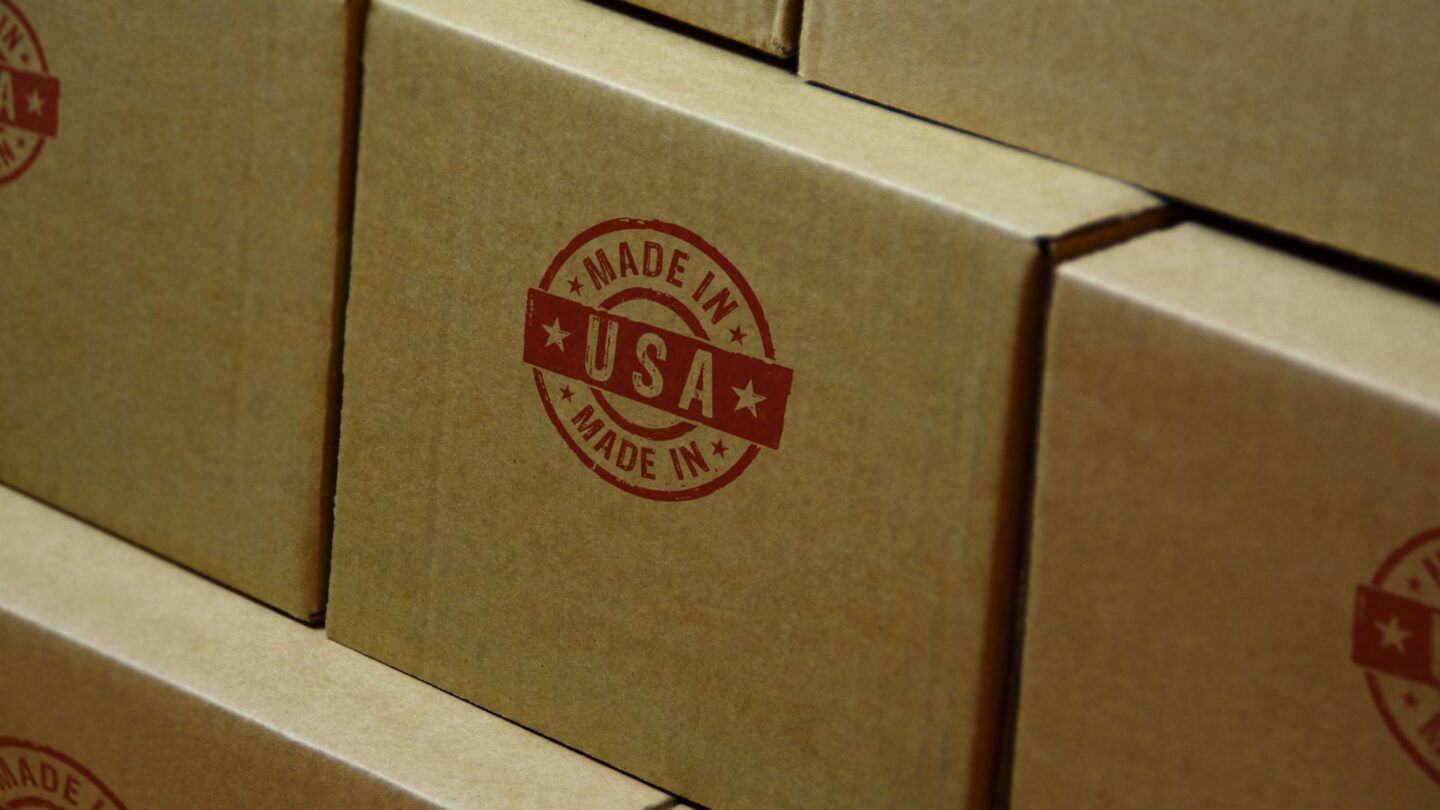
Today’s consumers are paying closer attention to the ethical practices of the brands they support, with a significant emphasis on local sourcing and the origins of the products they buy. Consumers are drawn to products made in the USA for a variety of reasons:


  • Quality: Many believe that American-made goods uphold higher quality standards.
  • Environmental Responsibility: U.S. manufacturers must adhere to strict environmental regulations, and domestic sourcing minimizes transportation, making American-made products a more eco-friendly choice.
  • Labor Standards: American products are made under strict labor laws, ensuring safe working conditions and the prohibition of child labor.
  • Job Support: Purchasing U.S.-made goods directly contributes to the creation and preservation of jobs within the country.


Incorporating domestic packaging into your business strategy aligns your brand with these values, positioning you as a conscientious and socially responsible choice for today’s increasingly mindful consumers. Research shows that customers are willing to pay up to 20% more for U.S.-made goods, making domestic packaging not only an ethical decision but also a strategic one.


Quality

Partnering with a domestic packaging supplier often means better control over the quality of your products. Local manufacturing allows for closer collaboration, faster resolution of issues, and adherence to stricter quality standards. This results in packaging that not only meets but exceeds customer expectations.


Lead Time

Lengthy lead times are a common pain point with international suppliers. Shipping delays, customs processing, and unforeseen events can derail production schedules. Domestic manufacturing shortens lead times significantly, enabling faster production, more reliable timelines, and the ability to adapt quickly to market demands.


Work With A Domestic Packaging Supplier

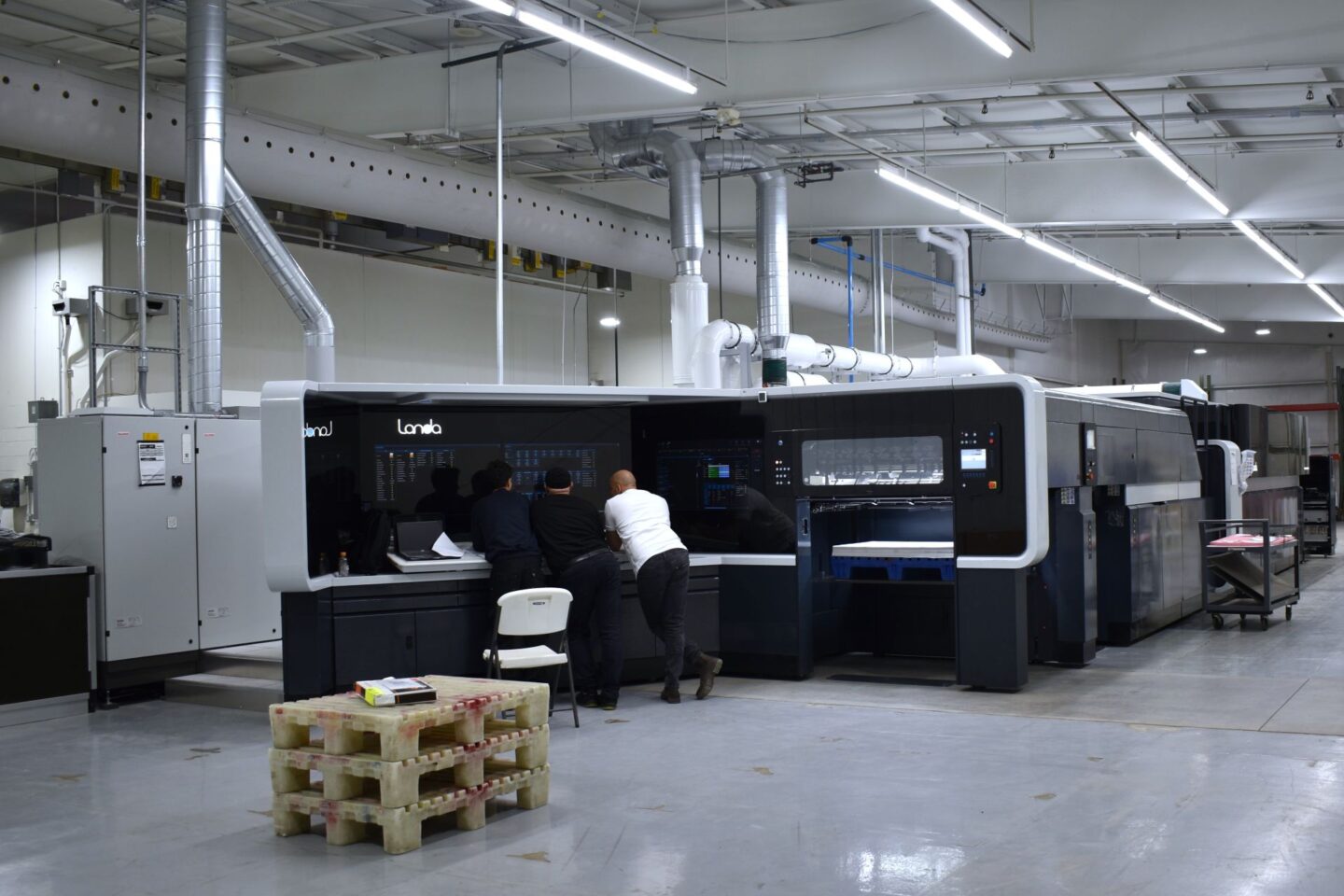
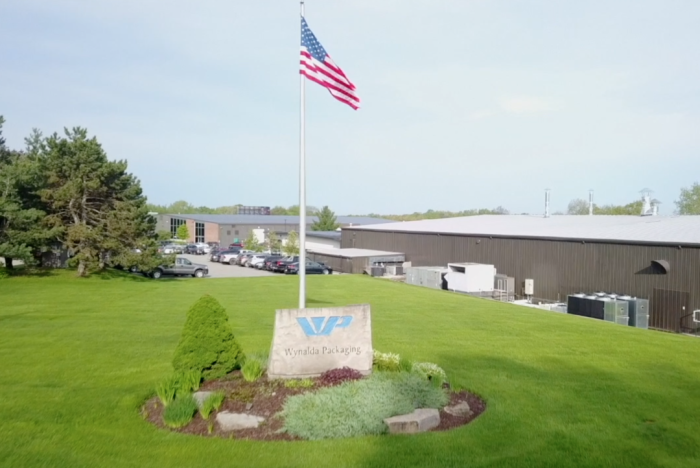
At Wynalda Packaging, we source all of our materials domestically and manufacture in our 400,000 sq. ft. facility in Michigan. This allows us to offer top-tier quality, competitive lead times, and on-time deliveries. We also offer fulfillment services for businesses looking for an end-to-end, streamlined solution. We’re committed to being a reliable partner for businesses looking to make the switch to domestic packaging.


If you’re ready to explore the benefits of domestic packaging manufacturing, our team of experts is here to help. Contact us today to discuss your needs!


What is a VMI Program, and Why Consider One?

What is a VMI Program, and Why Consider One?

Effective inventory management is a critical factor in the success of any business, especially in industries where packaging is a key component of operations. One approach that has proven highly beneficial in managing inventory and streamlining supply chains for many companies is a Vendor Managed Inventory (VMI) program.


What is a Vendor Managed Inventory (VMI) Program?

A Vendor Managed Inventory (VMI) program is a supply chain strategy where the supplier, rather than the customer, takes on the responsibility of maintaining and replenishing inventory. This means that the vendor monitors the stock levels and production schedules of the client and automatically manages the supply of necessary materials to keep inventory at optimal levels.


For example, at Wynalda Packaging, our VMI programs allow us to handle the production and storage of our clients’ packaging. We track inventory levels and ensure that our clients have the packaging they need, exactly when they need it. This proactive inventory management model supports Just-In-Time (JIT) delivery, reduces waste, and maximizes operational efficiency.


Benefits of a VMI Program

Implementing a Vendor Managed Inventory program comes with numerous advantages:


Cost Efficiency and Economies of Scale

With a VMI program, manufacturers can optimize production runs based on the anticipated demand of their clients. Producing larger quantities at once allows suppliers to benefit from economies of scale, lowering production costs. These savings are passed on to the customer, resulting in a more cost-effective solution for both parties.


Minimized Lead Times

Because the supplier manages inventory, they have better visibility into when materials need to be replenished. This reduces lead times significantly, ensuring that products are always available when needed. Customers no longer need to worry about delays or rush orders, as suppliers handle the inventory management and maintain appropriate stock levels.


Improved Supply Chain Security

Relying on a VMI program adds a layer of security to the supply chain. Packaging manufacturers can maintain a safety stock of materials to avoid unexpected shortages. This mitigates the risk of supply chain disruptions and guarantees that production schedules run smoothly without unexpected interruptions.


Support for Just-In-Time (JIT) Manufacturing

A VMI program is ideal for companies that use JIT manufacturing, where materials are delivered precisely when they are needed in the production process. By aligning inventory management with JIT practices, VMI helps companies reduce waste, minimize excess stock, and streamline operations. It ensures that materials are available just in time, without overstocking.


Reduced Storage and Inventory Costs

By letting the supplier manage inventory levels, companies can free up valuable warehouse space and reduce the costs associated with storage. Wynalda Packaging’s VMI solutions, for example, allow us to store packaging materials for our clients, enabling them to allocate space for other essential operations or finished products.


Better Inventory Control

Custom VMI programs offer a more efficient flow of materials and a clearer view of inventory levels. Manufacturers can track the consumption of packaging in real time and adjust replenishment schedules as needed. This helps businesses maintain optimal stock levels without the risk of over-ordering or under-ordering, leading to a more organized and effective supply chain.


Is a VMI Program Right for You?

Determining if a VMI program is suitable for your business depends on a few factors:


Are You Looking to Reduce Costs? 

Companies looking to minimize storage expenses and benefit from economies of scale in production can gain significant cost savings with a VMI program. It reduces waste and improves the efficiency of inventory management, saving both time and money.


Are You Struggling with Stockouts, Shortages, and Long Lead Times? 

A VMI program is a great choice if your business is prone to unexpected demand fluctuations or has experienced disruptions due to stockouts. Having your supplier manage and maintain safety stock ensures your materials are always available when you need them, and significantly reduces lead times.


Is Just-In-Time (JIT) Manufacturing Key to Your Operations? 

If your business relies on a JIT production model, a VMI program is almost essential. It aligns perfectly with the JIT methodology by keeping your stock levels precise and reducing the risk of overproduction or inventory excess.


Conclusion

A Vendor Managed Inventory program can be a game-changer for companies that rely on an efficient and dependable supply chain. By allowing packaging manufacturers like Wynalda to handle inventory management, you can benefit from cost savings, reduced lead times, increased supply chain security, and improved efficiency—all while freeing up resources to focus on your core business activities.


Interested in exploring how a VMI program can benefit your operations? Contact us today to learn more about our tailored VMI solutions and how we can help you streamline your inventory management!

Virgin Fiber: A Sustainable Paper Packaging Option

Virgin Fiber: A Sustainable Paper Packaging Option

It is a common assumption among both consumers and brands that recycled material is more sustainable than virgin fiber. In fact, the word “recycled” has become almost synonymous to “sustainable”. While recycled material is a great sustainable paper packaging option for many products, there are many cases where virgin material is just as good, if not better. Virgin fiber, derived from sustainably managed forests, is critical not just for packaging durability but also for maintaining a healthy, renewable supply of material in the circular economy. 


Virgin Fiber in the Circular Economy

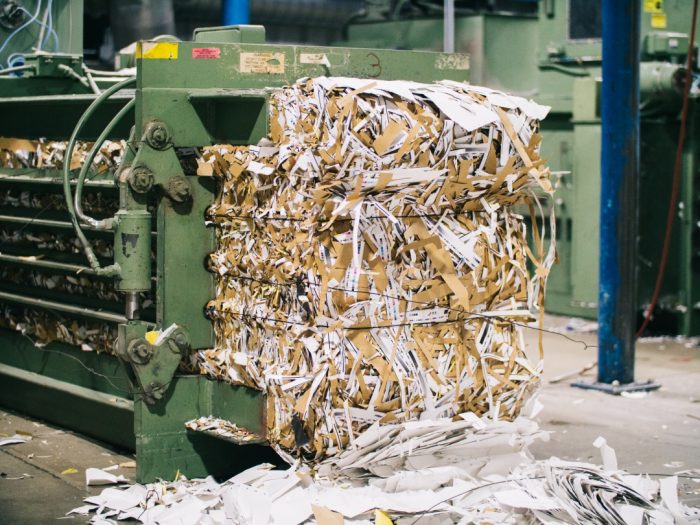
Virgin fiber plays a pivotal role in maintaining the lifecycle of packaging materials. While recycled fiber is essential for sustainability, it can only be reused about 5-7 times before the fiber degrades and loses its structural integrity. Without the addition of virgin fiber, the supply of recycled materials would be depleted within 8-13 months. Virgin fiber from sustainably managed forests supports the ongoing cycle by contributing new material that offsets this depletion, keeping the recycling loop in motion.


circular economy


Sustainable Virgin Fiber Production

Sustainably harvested virgin fiber has a lower environmental impact than many people realize. Sustainable forestry practices—such as selective harvesting, replanting, and maintaining biodiversity—help enhance the ecological benefits of using virgin fiber. These practices ensure that virgin fiber production contributes to long-term forest ecosystem health. There are two main organizations in the U.S. that provide certifications for sustainably sourced virgin fiber, giving both business and their customers reassurance that their packaging has a minimal impact on the environment.


Forest Stewardship Council® (FSC®)

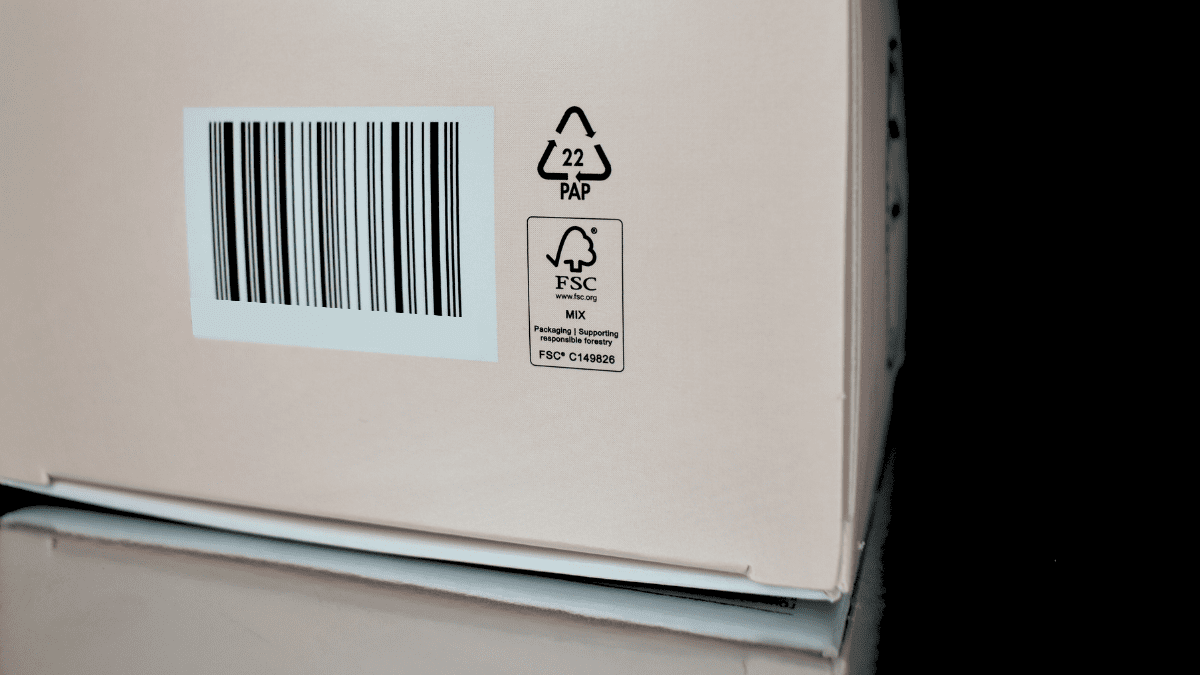
FSC® is an international non-profit organization that promotes responsible management of the world’s forests. It sets standards to ensure that forests are managed in ways that preserve biodiversity, ensure the wellbeing of local communities and workers, and maintain economic viability. FSC® certification provides a system for businesses and consumers to verify that forest products come from responsibly managed forests and other controlled sources that meet these standards.

(FSC® C149826)


Sustainable Forestry Initiative® (SFI®)

SFI® is a non-profit organization that promotes sustainable forest management and conservation across North America. SFI® works with landowners, forest product companies, conservation groups, and communities to ensure that forests are managed in a way that balances environmental, social, and economic concerns.


Benefits of Virgin Fiber

While recycled material is a great eco-friendly option in many instances, there are also several applications where virgin fiber not only offers higher performance, but also wins in terms of sustainability.


Lower Emissions & Energy Usage

Virgin fiber production also often involves fewer energy-intensive stages compared to recycled fibers. Since virgin fiber doesn’t require de-inking and other cleaning processes like recycled materials, it can be more energy-efficient. When combined with renewable energy, virgin fiber production can result in a much smaller carbon footprint than expected. When choosing packaging materials, businesses should conduct a life-cycle assessment (LCA), accounting for the entire process, including transportation and energy use.


Packaging Performance

When strength and durability is a priority for your packaging, virgin fiber is the clear winner. As recycled fibers are reused, they gradually lose strength, making virgin fiber indispensable for ensuring packaging integrity. This is particularly important in sectors where packaging must meet strict standards for durability. In many cases, the combination of virgin and recycled fibers can allow companies to innovate by creating mixed-fiber packaging that strikes the right balance between sustainability and performance.


Choosing the Right Fiber Mix

When deciding on sustainable paper packaging materials, businesses should conduct an LCA and consider a range of factors, including the strength and durability required, as well as the environmental impact. Using a combination of virgin and recycled fibers often provides the best solution, offering both sustainability and high performance. By carefully selecting the fiber mix, companies can meet their environmental standards without sacrificing quality.


Conclusion

Virgin fiber remains an essential part of sustainable paper packaging solutions. Sustainable practices in virgin fiber production make it an environmentally sound choice for businesses looking to reduce their ecological footprint. The strength and durability of virgin fiber, as well as its role in maintaining the circular economy, make it a critical resource, especially when paired with recycled fibers. By balancing the use of virgin and recycled materials, companies can create packaging that not only performs well but also supports long-term environmental sustainability.


Wondering what balance of recycled and virgin material would be best for your product? Talk to a packaging expert at Wynalda!

Packaging Sourcing Strategies

Packaging Sourcing Strategies

Minimizing Risk in Your Packaging Supply Chain

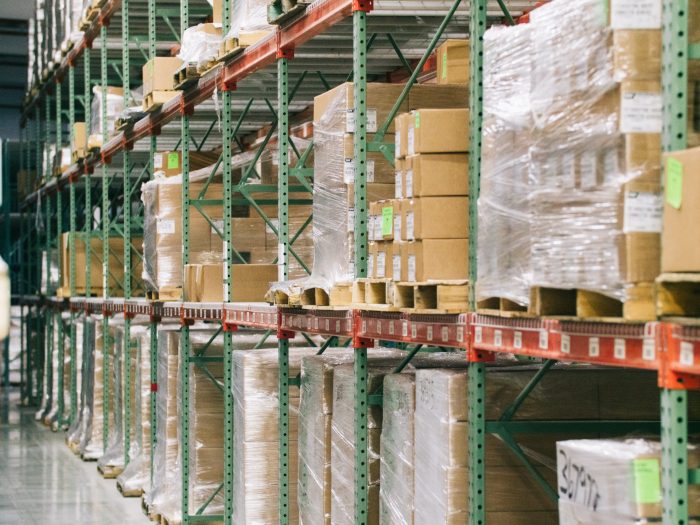
In today’s market, efficient packaging procurement is essential to a company’s overall supply chain success. Your packaging supply chain plays a pivotal role in ensuring that products reach consumers on time and in optimal condition. Outsourcing anything, including your packaging, comes with its own set of risks, but by employing the following packaging sourcing strategies, you can mitigate those risks and bolster the resilience of your packaging supply chain.


Robust Quality Control Processes

Selecting the right packaging supplier requires a focus on their quality assurance protocols. Early detection and resolution of manufacturing issues are key to avoiding costly delays and defects in the final product. Choose a supplier who adheres to rigorous quality testing to ensure your packaging meets all necessary standards for durability, functionality, and appearance.


Prototyping Services

Physical prototypes are invaluable in the packaging design process. Before committing to full-scale production, prototypes allow you to assess the look, feel, and functionality of your packaging, enabling you to make necessary adjustments early on. This foresight can prevent costly errors and ensure that the final product aligns with your brand’s vision. Work with a manufacturer that provides structure samples for review and testing to ensure your products are both presented and protected well.


Turnkey Suppliers

To minimize risks, consider partnering with turnkey packaging suppliers who handle the entire manufacturing process in-house. By consolidating everything under one roof—design, ink production, sheeting, printing, die making, die cutting, foil stamping, embossing, folding, gluing, and quality testing—you reduce the chances of costly errors and delays, while maintaining greater control over the final product.


Proven Speed-to-Market

Speed-to-market is a critical factor in packaging procurement. Choose suppliers known for their short lead times and reliable on-time delivery. A proven track record in these areas ensures that your packaging supply chain remains efficient and responsive to market demands. Ask your suppliers what their average lead times and on-time delivery rates are to get a good idea of what you can expect.


Anti-Counterfeiting and Anti-Diversion Strategies

Counterfeiting and diversion pose a great risk, as these tactics can harm brand integrity, reduce consumer safety, and incur liability issues. To combat this, there are numerous anti-counterfeiting and anti-diversion features that can be incorporated into your packaging—such as serialization, holograms, and security inks. Make sure to choose a packaging supplier who offers these techniques to help safeguard your brand against counterfeiting and diversion.


Vendor Managed Inventory Program

A Vendor Managed Inventory (VMI) program can offer additional security for your packaging supply chain. By allowing your supplier to maintain an inventory of your packaging, you ensure that your products are always ready for immediate shipment, reducing the risk of stockouts and delays.

Create a Seamless Packaging Supply Chain

By adopting these packaging sourcing strategies, companies can significantly reduce risks within their packaging supply chain, ensuring that products are delivered on time and meet the highest quality standards. 


At Wynalda Packaging, we specialize in helping our customers implement these strategies to create a seamless and efficient packaging supply chainContact us today to learn how we can support your business in minimizing risks and enhancing supply chain reliability.

Types Of Folding Carton Boxes

Types Of Folding Carton Boxes

Paperboard folding cartons are highly customizable and can hold a large variety of product types and sizes, making them a very popular choice among the different types of boxes for packaging.

Below are the six most common types of folding carton boxes that can serve as the starting point of your packaging design, with numerous other designs and variations available. These folding carton styles can be adjusted—and even combined—to create a custom box that fits your product perfectly. 

Straight Tuck

Straight tuck folding cartons have top and bottom flaps located on the same side. This design saves space and reduces storage costs, making it economical for manufacturers and retailers. This carton style is versatile and suitable for many different types of products, including retail goods, pharmaceuticals, and personal care items. They offer ease of assembly and a clean, professional appearance on store shelves, enhancing product visibility and consumer appeal.

Reverse Tuck

Reverse tuck folding cartons feature top and bottom flaps on opposite sides, offering a secure closure and easy opening experience for consumers. This carton box type provides a sleek and polished look that enhances product presentation. Many brands in the cosmetics, food and beverage, and health and wellness industries use this style of carton. Reverse tuck cartons facilitate efficient packing and unpacking processes.

Auto-Lock Bottom

Auto bottom paperboard folding cartons are designed to automatically erect when opened, minimizing assembly time and labor costs in packaging operations. They are ideal for products that require quick and efficient packaging, such as food items, cosmetics, and pharmaceuticals. The auto-lock bottom feature ensures a secure base, enhancing product stability during transportation and on store shelves. This type of carton offers convenience and reliability, making it a preferred choice for high-volume production environments.

Lock Bottom

Lock bottom paperboard folding cartons are specifically engineered for heavier items that require extra strength and durability during packaging and transport. They feature a secure locking mechanism at the bottom, which provides enhanced structural integrity and prevents the box from collapsing under the weight of its contents.  Electronics, household appliances, and automotive parts brands often choose lock bottom cartons for their packaging.

Sleeve Box

Sleeve paperboard folding cartons consist of an outer sleeve that slides over an inner tray or box, providing an additional layer of protection and aesthetic appeal. You can customize these cartons with printing and finishing options to showcase branding and product information effectively. They are often used for premium products such as chocolates, candles, and luxury goods. Sleeve cartons allow for creative packaging solutions that attract consumers’ attention and reinforce brand identity.

Two-Piece

Two-piece paperboard folding cartons consist of separate top and bottom pieces that fit together to form a complete package. This carton style is commonly used for gift boxes, apparel packaging, and specialty items. They provide a high-end look and feel, making them suitable for retail environments and promotional campaigns. Two-piece cartons offer durability and protection while enhancing the overall customer experience through premium packaging solutions.

Custom Designs

While the above carton types are the most common base designs, they are not a limitation. Our design team can work with you to create a unique, innovative packaging solution for your product that will stand out on the shelves.

Talk to a packaging expert today to get started finding the right types of folding carton boxes for your packaging.