QR Code Packaging: Improving Supply Chain Traceability

QR Code Packaging: Improving Supply Chain Traceability

Supply Chain Traceability

For brands in pharmaceuticals, nutraceuticals, cosmetics, food, and high-value consumer goods, maintaining transparency and control from production to point of sale is becoming more and more critical. From anti-diversion and anti-counterfeiting to quality control and inventory management, supply chain traceability offers a variety of benefits. 

That’s why Wynalda Packaging has invested in modern, state-of-the art technology and equipment to provide track and trace capabilities for our customers. Our track & trace solutions use QR codes and serialization to deliver advanced supply chain traceability.


QR Code Packaging


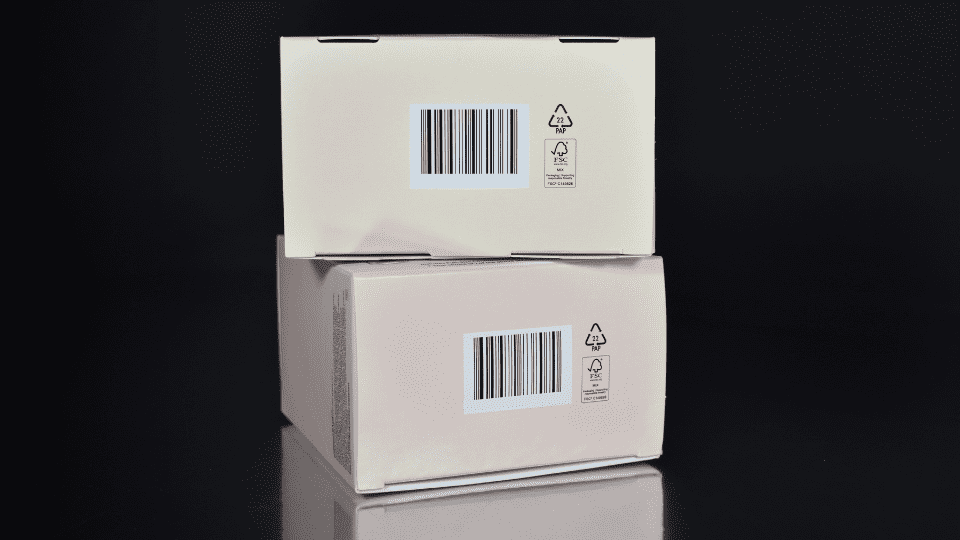
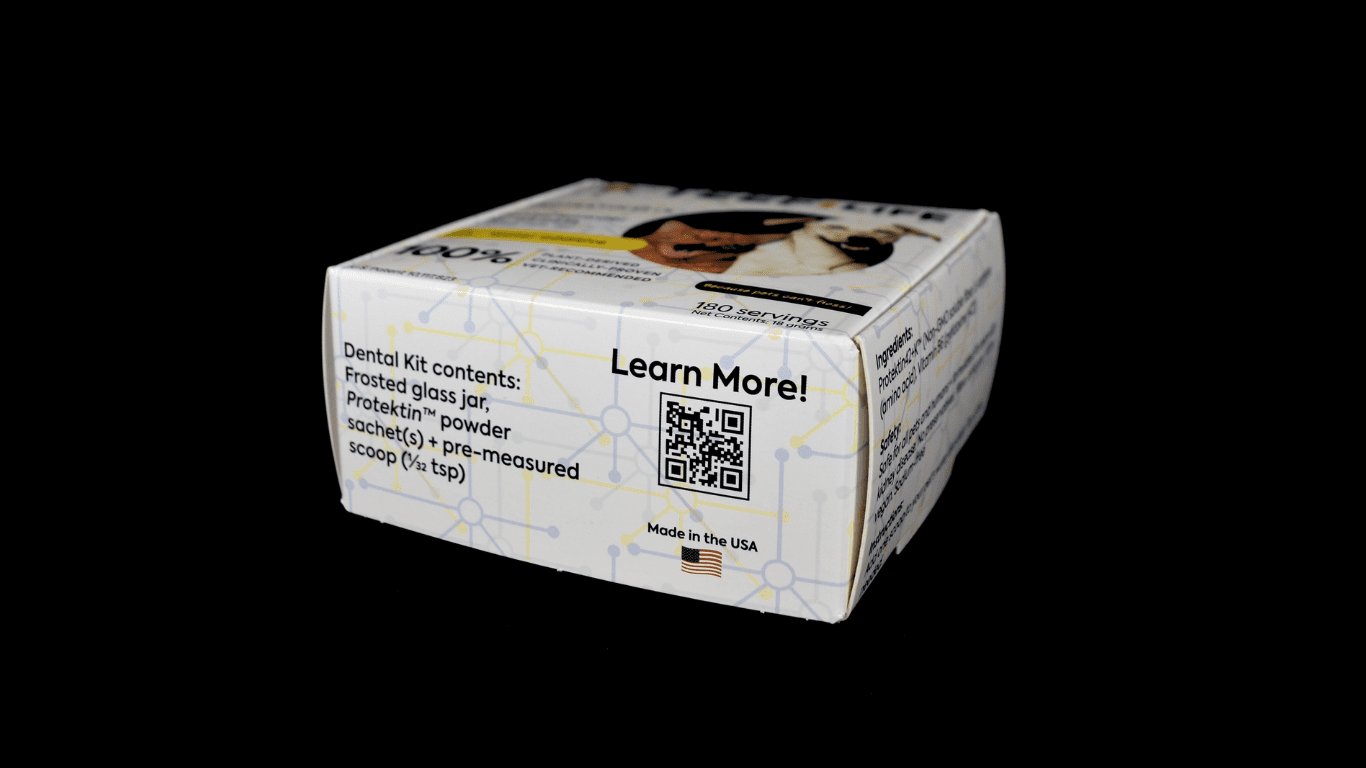
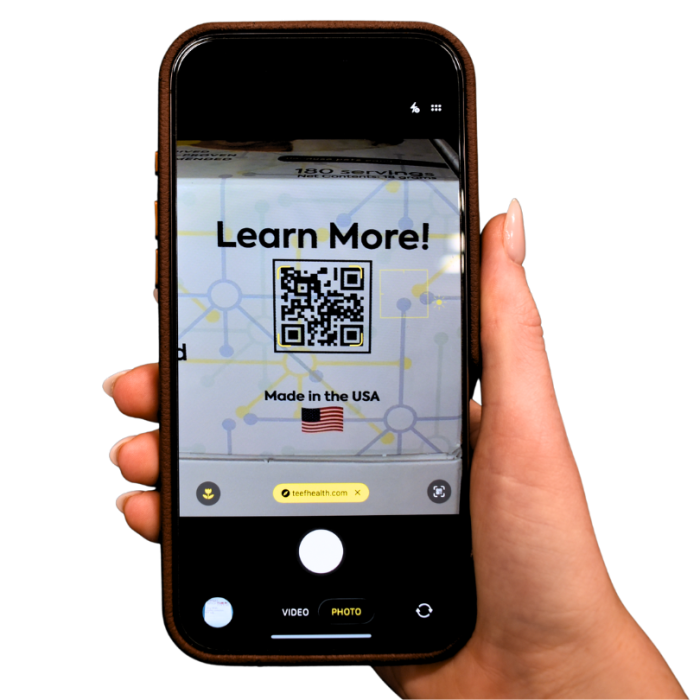
By integrating QR codes into your packaging, you enable supply chain traceability from the manufacturing floor to the consumer’s hands. The QR codes are scanned at every checkpoint, recording the date, time, location, and device, allowing you to see the full journey of your product. This is beneficial for several reasons:


Anti-Diversion

Codes can be tied to specific regions, retailers, or channels, and scans outside of assigned markets trigger alerts, helping maintain pricing integrity and authorized distribution.


Recall Management & Batch Control

Rapidly trace defective items by batch, enabling precise recalls and efficient root cause analysis.


Inventory & Warehouse Optimization

Codes enable real-time stock tracking across supply chain nodes, reducing manual errors and stockouts, and improving warehouse and fulfillment operations.


Consumer Engagement & Tracking

Location data from consumer scans gives brands full, end-to-end visibility into a product’s journey. When a customer scans a QR code with their phone, they are instantly connected to content such as promotions, loyalty programs, product guides, warranty registration, sourcing details, recycling info, and region-specific landing pages. These experiences not only boost engagement and improve the user experience, but they also encourage more scans, enabling brands to gather rich, actionable data.


Regulatory Compliance

Timestamped data supports audits and traceability standards, and region-specific landing pages for consumer scans ensure local regulation compliance.


Serialization in Packaging


While most of the features mentioned above can be achieved using batch QR codes, serialized QR codes take supply chain traceability a step further. With serialization, each package is printed with a unique QR code. These codes unlock detailed product-level data that can be accessed through a simple scan, offering several benefits, especially for high-value and high-security items: 


Anti-Counterfeiting

Each unique code can be scanned to verify authenticity through a secure brand-managed database, and duplicate or invalid codes flag possible counterfeits.


Unit Tracking

Serialization allows you to monitor the movement of individual units during and after production.


Precise Quality Control

With serialized QR codes, you’re not limited to batch-level traceability. You can drill down even further, identifying issues linked to a specific machine or shift, for fast, targeted problem-solving.


Point-Based Rewards Systems

Consumers can claim rewards points by scanning the unique QR code on their packaging. This adds incentive to scan the code, providing consumer scan data for full lifecycle visibility.


Our Technology


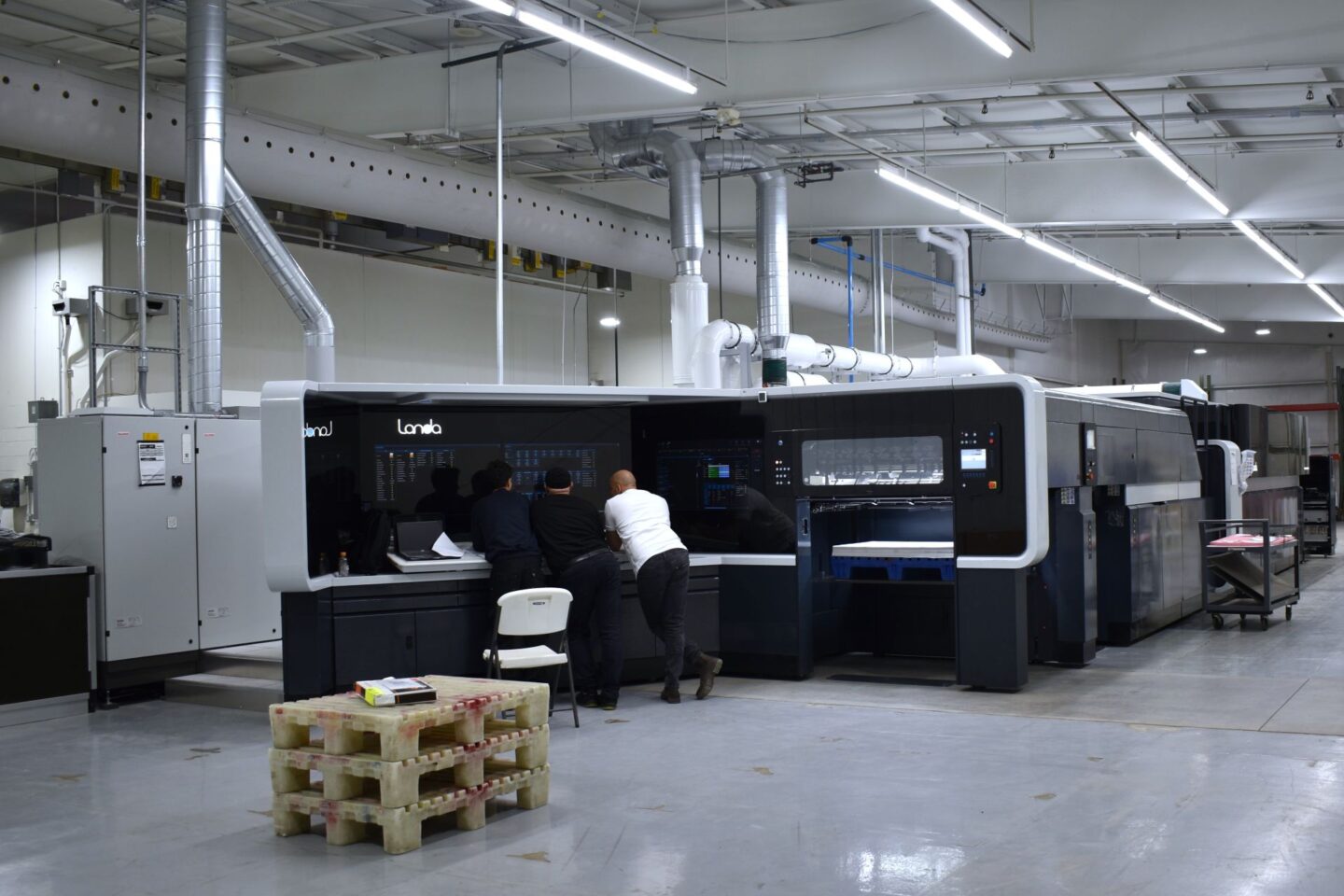
Landa S11 Digital Offset Press

At Wynalda Packaging, we’ve invested in the future of smart packaging with our Landa S11 digital offset press, enabling us to print unique serialized QR codes on each package without any loss in print quality compared to traditional offset. This means brands can enjoy both visual excellence and unparalleled track-and-trace solutions.


Aletheia Security & Fulfillment

Wynalda Packaging partners with Aletheia Security & Fulfillment to provide Track & Trace software and hardware. Aletheia’s system generates QR codes, reads and logs data from every scan, and supports real-time reporting and alerts. The system can be customized with portals for receiving, QA, inline production, and shipping, and is scalable and modular to meet evolving needs.


Ready to Make Your Packaging Smarter?

At Wynalda Packaging, we help forward-thinking brands turn their packaging into a data-driven, consumer-facing tool that adds real value. Whether you’re fighting counterfeiters, improving recall readiness, or building deeper customer relationships, our QR code packaging and serialization solutions deliver the traceability and transparency modern supply chains demand.

Let’s talk about incorporating traceability into your packaging. Contact us today.

Packaging Testing Methods: Ensuring Quality at Every Step

Packaging Testing Methods: Ensuring Quality at Every Step

At Wynalda Packaging, quality is a commitment woven into every stage of the production process. From folding cartons and rigid boxes to molded pulp, each material and packaging project undergoes a rigorous series of tests designed to ensure structural integrity, aesthetic excellence, and performance in real-world conditions.

Here’s a closer look at the various packaging testing methods we use across our product lines:


Material Testing

Before a package takes shape, the raw materials themselves are tested to ensure durability and performance.


Stock 

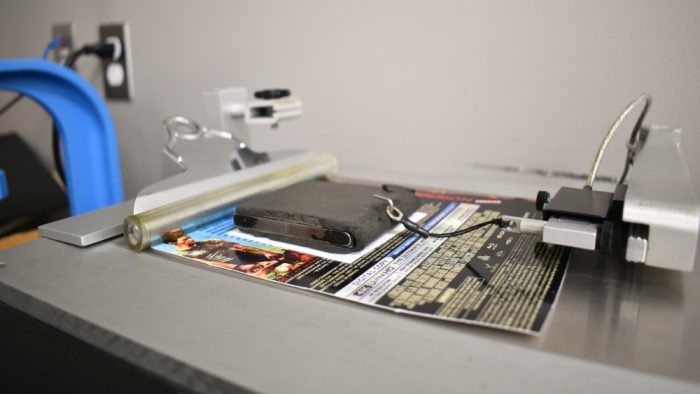
  • Surface Tension (Dyne Test): Measures how well inks and coatings adhere to the surface.
  • Ink Drawdown Test: Evaluates ink behavior on specialty stock.
  • Drop Dart Impact Test: Assesses the puncture resistance of plastic films and sheets.
  • Peel Test: Tests bond strength of laminated materials.
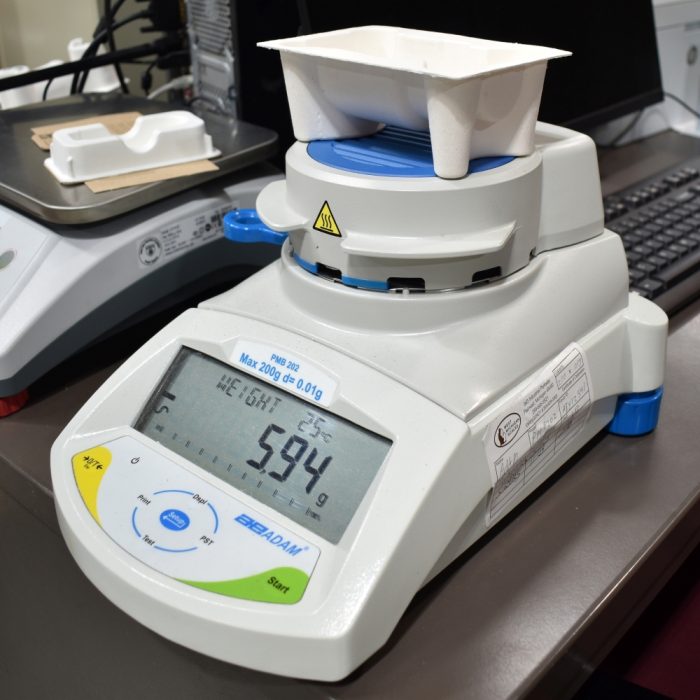
  • Paper Stock Moisture Analysis: Ensures paperboard has ideal moisture levels for converting and printing.
  • Crease Test: Determines the creasability of printed and unprinted stock.
  • ZDT Test: Measures the internal bond strength between the stock coating and paper fibers.
  • Gloss Reading: Confirms the correct level of gloss or dullness.


Glue 

  • Viscosity Test: Measures the consistency of cold extrusion glue.
  • Drawdown Test: Checks the application performance of cold extrusion glue.


Folding Carton & Rigid Box Testing

For folding cartons and rigid boxes, aesthetics and function must go hand-in-hand. Our testing methods ensure both are consistently achieved.


Color & Print Quality Tests

  • Spectrophotometer & Delta E Tests: Ensure color accuracy for both four-color process and spot colors.
  • Gloss Reading: Measures glossiness or dullness.
  • Rub Test: Assesses scuffing and rubbing resistance of the ink and coating on the printed substrate. 
  • Tape Adhesion Test: Evaluates ink adhesion by applying and removing tape from the printed surface to check for ink transfer.


Structural Integrity & Functionality Tests

  • Coefficient of Friction (COF) Test: Measures the slide angle to gauge surface slickness.
  • Opening Force Test: Measures the force required to open a flat folded carton to ensure compatibility with machines used for fulfillment.
  • Tuck Lock Force Test: Tests the amount of force needed to release the tuck lock.
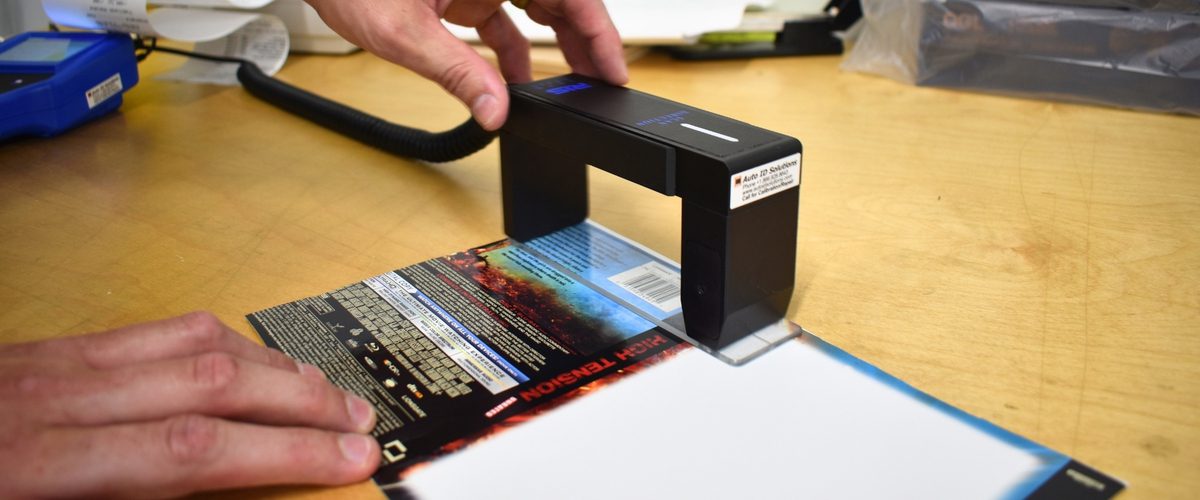
  • Bar Code & Digital Code Verification: Ensures all scannable codes are accurate and legible.


Inspections

  • Visual Flaws: Check for belt marks, pressure marks, cracks, dents, bumps, holes, scratches, scuffs, nicks, cuts, crushed edges or corners, webbing, bursting, wrinkles, laminated film separation, fractured plastic, excess glue, and dust/debris.
  • Print issues: Check for unwanted wave or checkered patterns, voids caused by foreign objects, and unwanted ink transfer.
  • Registration: Confirm alignment of print layers, coatings, foil, emboss, cutting, fold lines, magnets, glue joints, tape, windows, and rigid box wraps.
  • Foil & Emboss: Check for clumping, excessive flashing, overstamping, lifting or missing foil, and depth of emboss.
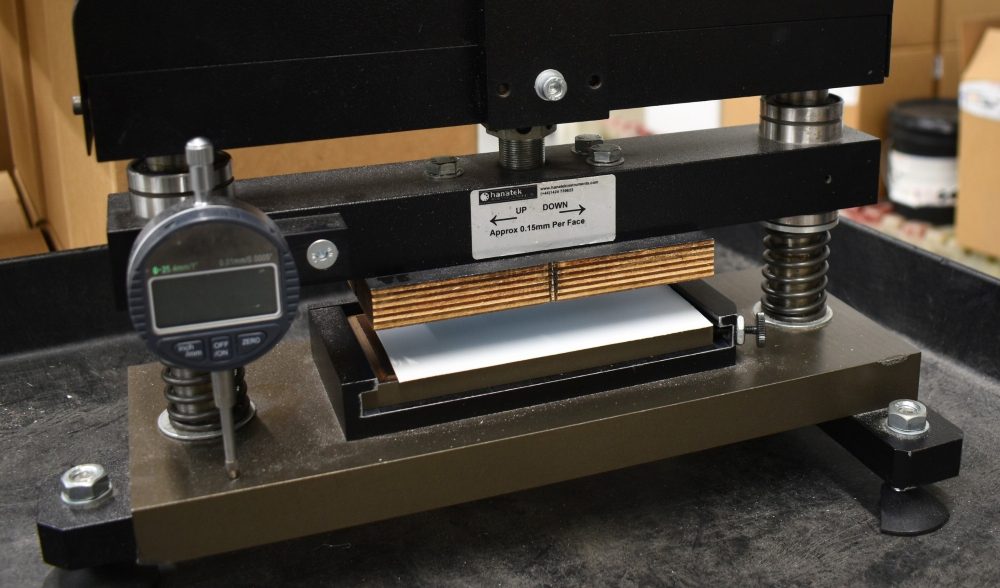
  • Structure: Confirm overall dimensions, folding quality, glue joint bond strength, and rigid box squareness.


Molded Pulp Testing

Eco-conscious doesn’t mean compromising on quality or performance. Our molded pulp packaging is evaluated using the following methods:


  • Pulp Consistency Test: Measures the consistency of the paper pulp in the mixing tanks before thermoforming.
  • Pulp Moisture Content Test: Measures the moisture content of formed pulp trays.
  • Structural Inspection: Confirms correct dimensions, weight, wall thickness, cutting register, and emboss placement of formed trays.
  • Visual Inspection: Assesses opacity and edge cleanliness, and checks for visual flaws, such as stains, holes, creases, crushed edges and corners, webbing, nicks, tears, and debris.


Conclusion

Testing ensures that every package we produce not only looks great but performs flawlessly throughout its lifecycle. Whether it’s protecting a luxury product or standing out in a crowded aisle, these testing methods allow us to uphold the highest standards in packaging quality.

Want to learn how our packaging solutions can elevate your product? Let’s talk.

Types of Rigid Boxes: A Guide to Premium Packaging Options

Types of Rigid Boxes: A Guide to Premium Packaging Options

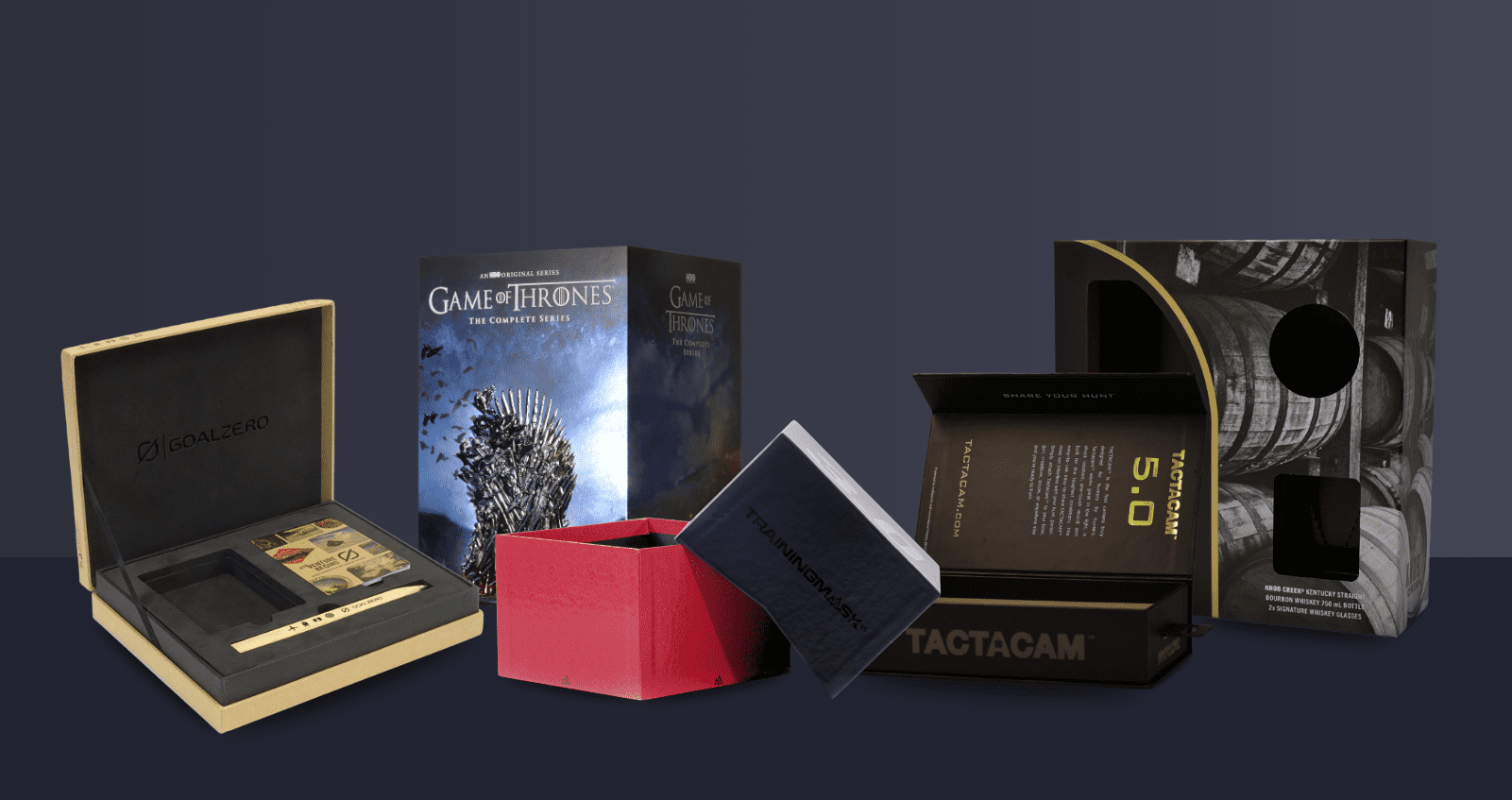
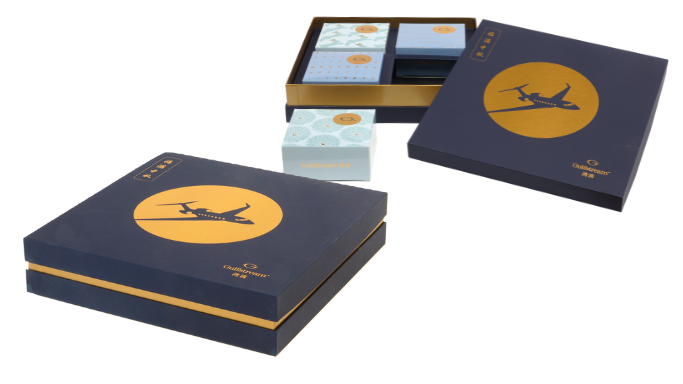
When it comes to luxury packaging, few options rival the sophistication of rigid boxes.  Known for their strength, upscale look, and customizability, these boxes are a go-to solution for showcasing high-end items including cosmetics, electronics, jewelry, and upscale gifts.  

But not all rigid boxes deliver the same impact.  Understanding the distinct types allows you to choose the perfect style to enhance your product’s presentation and reinforce your brand’s value.

Let’s take a closer look at the most common types of rigid boxes in the packaging world:


1. Telescoping Rigid Boxes

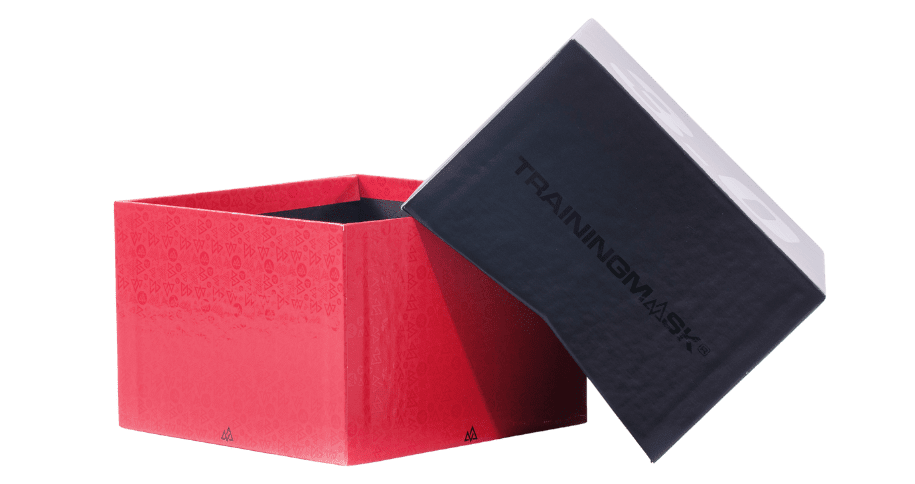
A classic style, and one of the most recognizable, consisting of a base and lid. Picture the packaging of high-end candles or smartphones. Telescoping boxes come in two main variations: full telescoping, where the lid completely envelops the base, and partial telescoping, where the lid covers a portion of the base, creating a stylish contrast.

Also known as: Two-piece boxes

Best for: Electronics, beauty products, small luxury goods

Why choose telescoping rigid boxes: Clean, elegant presentation; easy to unbox

2. Hinged Lid Rigid Boxes

Crafted for elegance and structural integrity, hinged lid rigid boxes feature a seamless connection between the lid and base, allowing the box to open like a finely bound book. Often held shut with discreet magnetic closures, satin ribbon ties, or Velcro fasteners, these boxes provide a refined unboxing experience.

Also known as: Book-style boxes or clamshell boxes

Best for: High-end gift sets, media kits, limited editions

Why choose hinged lid rigid boxes: Sleek design, secure closure, great for storytelling and branding

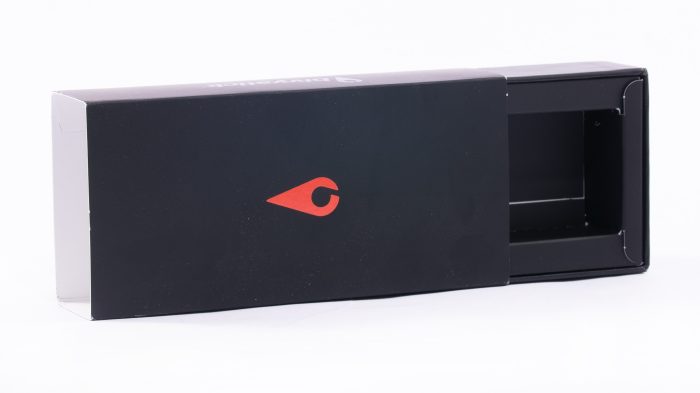
3. Drawer-Style Rigid Boxes

Sleek and sophisticated, drawer-style rigid boxes are engineered using an inner tray and an outer slipcase. The tray glides smoothly from the slipcase, much like a drawer, offering both functionality and a sense of discovery.  Often finished with pull tabs, ribbon loops, or thumb notches, these boxes are a favorite for luxury goods such as jewelry, tech accessories, and gift sets that are wanting to deliver a premium unboxing experience.

Also known as: Matchbox-style boxes

Best for: Jewelry, accessories, cosmetics

Why choose drawer-style rigid boxes: Unique and interactive unboxing; excellent for brand differentiation

4. Shoulder Neck Rigid Boxes

This distinctive design is composed of three pieces that include a base, a lid, and an internal neck or shoulder tray that connects the two. This inner structure not only reinforces the box’s integrity but also creates a visually striking detail. Often used for high-end cosmetics, spirits, or luxury collectibles, the style exudes sophistication and enhances perceived value.

Also known as: Shoulder boxes

Best for: Perfume, spirits, luxury tech

Why choose shoulder neck rigid boxes: Elevated design; creates anticipation and a sense of premium craftsmanship

Final Thoughts

Rigid boxes do more than protect—they define the unboxing experience and reflect the essence of your brand. Whether you’re launching a new luxury product line or reimagining your current packaging, choosing the ideal rigid box style can enhance your brand, elevate the perceived value, and leave a lasting impression on your customers.

At Wynalda Packaging, we specialize in crafting rigid boxes that are tailored to your product and brand vision. Proudly manufactured in the USA at our state-of-the-art 400,000+ sq. ft. facility in Michigan, our packaging solutions combine precision, quality, and sophistication. Ready to elevate your packaging?  Let’s talk!

Primary vs. Secondary Packaging

Primary vs. Secondary Packaging

Packaging plays a crucial role in product protection, branding, and consumer experience. However, not all packaging serves the same function. There are two main types: primary packaging and secondary packaging. Understanding their differences can help brands choose the best packaging solutions to enhance product appeal, functionality, and sustainability.


Primary Packaging

What is Primary Packaging?

Primary packaging is the first layer of packaging that directly encloses the product. This could be a perfume bottle, a blister pack of pills, or a candy bar wrapper. While primary packaging is often placed inside secondary packaging, in some cases, it serves as the sole packaging for a product, fulfilling the roles of both packaging types.


Why is Primary Packaging Important?

  • Product Protection: Shields the product from damage, contamination, and environmental factors.
  • User Experience: Enhances convenience, ease of use, and storage.
  • Compliance & Safety: Ensures regulatory requirements are met, especially in pharmaceutical and food industries.
  • Branding & Marketing: Can function as a branding tool, showcasing logos, colors, and messaging. This is especially critical when there is no secondary packaging, or when the primary packaging is visible through the secondary packaging.


Types of Primary Packaging

  • Bottles, Jars, and Tubes: Frequently used for liquids, creams, and gels, these are essential in the cosmetics, personal care, and food & beverage industries.
  • Blister Packs: A staple in the pharmaceutical industry, blister packs securely hold pills while ensuring proper dosage and protection.
  • Bags & Wrappers: Commonly found in the food & beverage sector, these provide a lightweight and flexible packaging solution for snacks, candies, and perishables.
  • Boxes: While typically used as secondary packaging, folding cartons, rigid boxes, and corrugated boxes can also serve as primary packaging, directly enclosing items like electronics or pasta.


Secondary Packaging

What is Secondary Packaging?

Secondary packaging is the outer layer that holds primary packaged products, offering benefits for retail and logistics. Common types of secondary packaging include folding cartons, rigid boxes, and corrugated boxes.


Why is Secondary Packaging Important?

  • Branding & Marketing: As the most visible layer on retail shelves, secondary packaging plays a major role in consumer purchasing decisions. It provides ample space for branding, product information, and engaging visuals.
  • Kitting & Organization: Groups multiple products together into a cohesive kit, making it ideal for gift sets or bundled offerings.
  • Additional Protection: Acts as a shield for primary packaging, ensuring durability during shipping and storage.
  • Efficient Handling: Simplifies bulk storage, transportation, and distribution, reducing logistical challenges.


Types of Secondary Packaging

  • Folding Cartons: The most common type of secondary packaging due to their versatility, cost-effectiveness, and sustainability. They also provide ample printable space, making them an excellent choice for branding and product information.
  • Rigid Boxes: Typically used as secondary packaging for luxury products, offering a more high-end, sophisticated look.
  • Corrugated Boxes: Strong, lightweight, and cost effective, corrugated boxes can be a great secondary packaging option across many different industries.

Examples of Primary & Secondary Packaging

Glass Bottle + Folding Carton

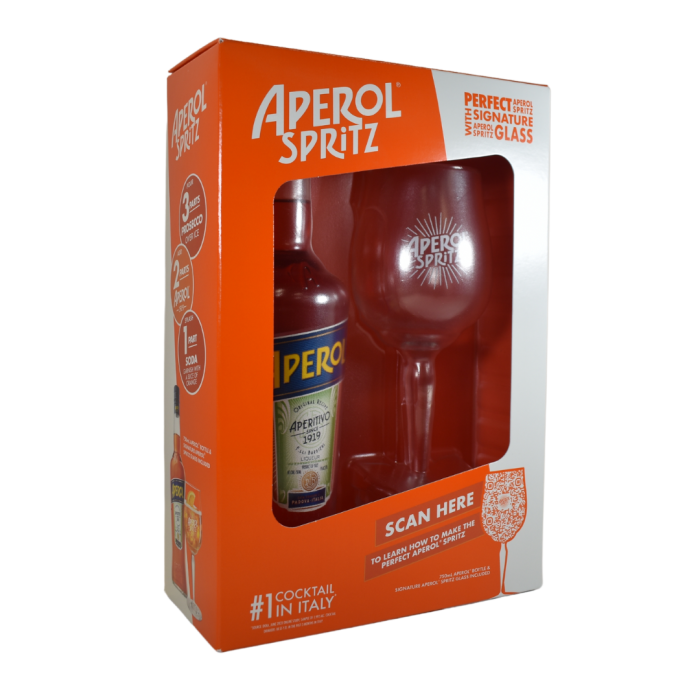
The glass bottle serves as the primary packaging holding the Aperol, while the folding carton enclosing the kit functions as the secondary packaging, organizing the products and enhancing presentation.

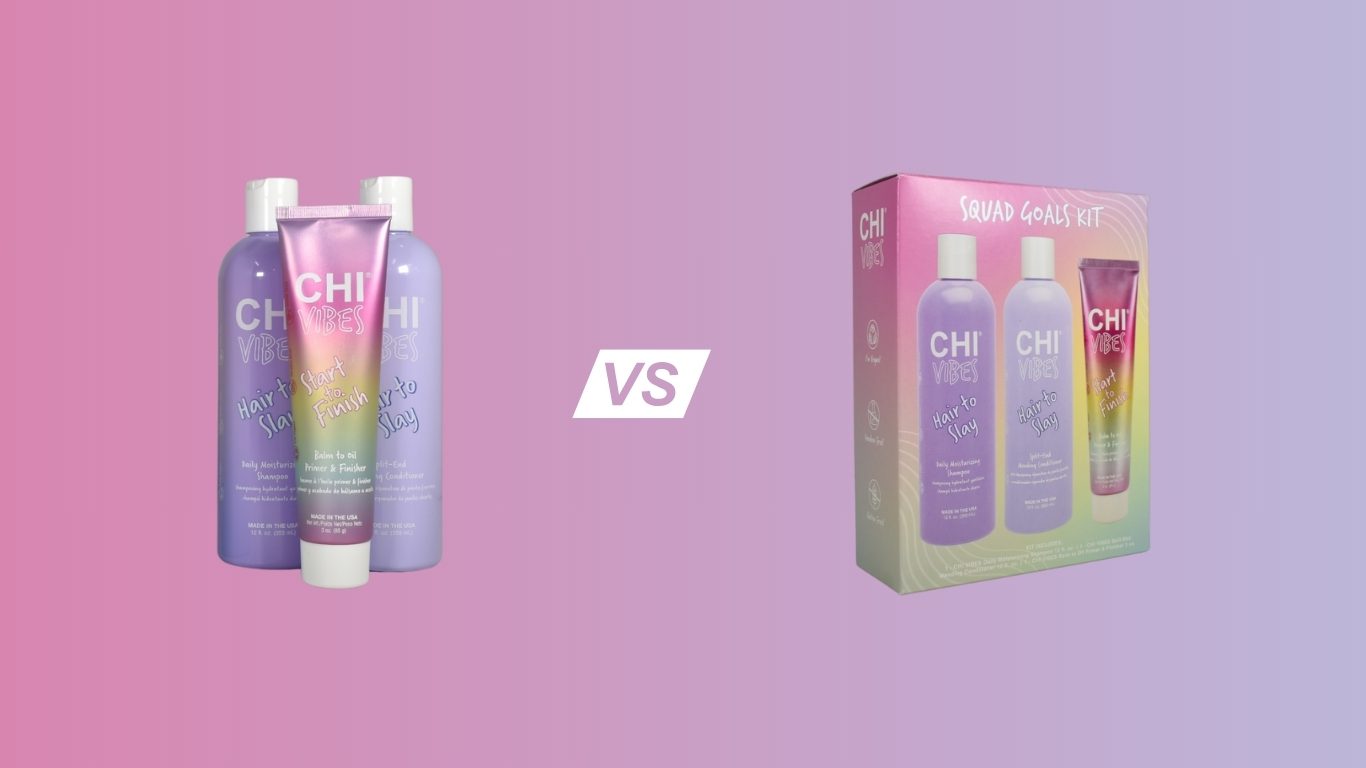
Bottles and Tube + Folding Carton

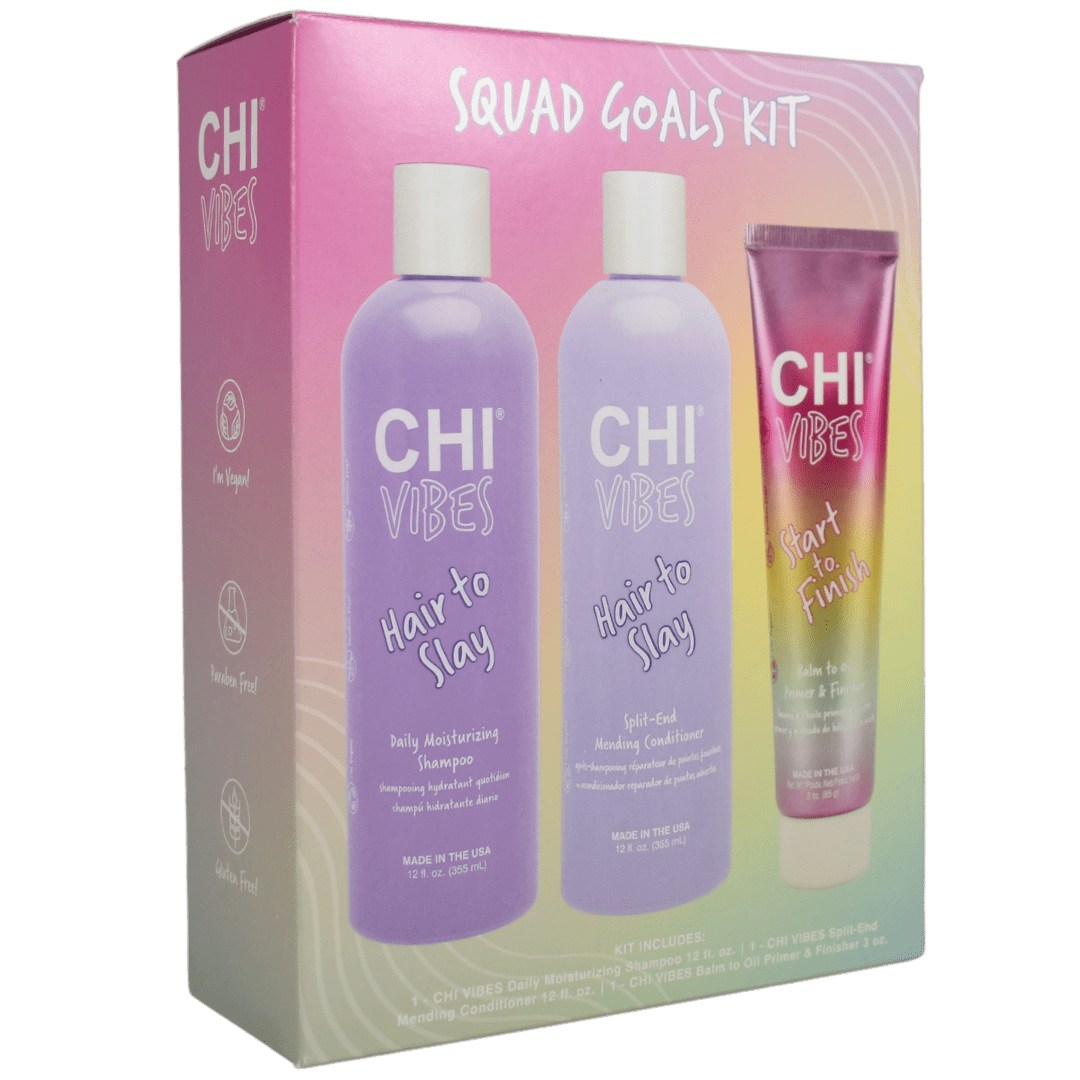
The bottles and tube act as primary packaging holding the hair products, securely housed within a folding carton serving as the secondary packaging for kitting and retail display.

Examples of Standalone Primary Packaging

Folding Carton

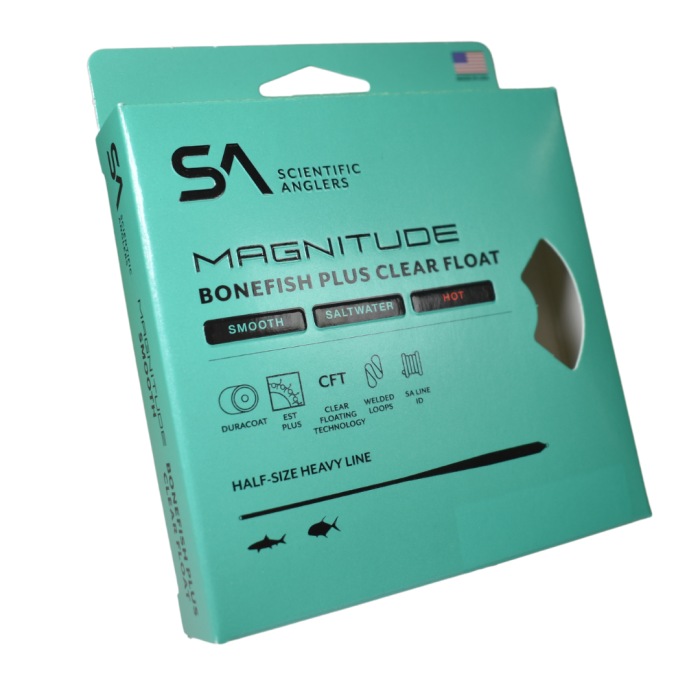
In this example, the folding carton directly encloses the fishing line, functioning as the primary packaging, while also fulfilling the role of secondary packaging protecting and promoting the product.

Rigid Box

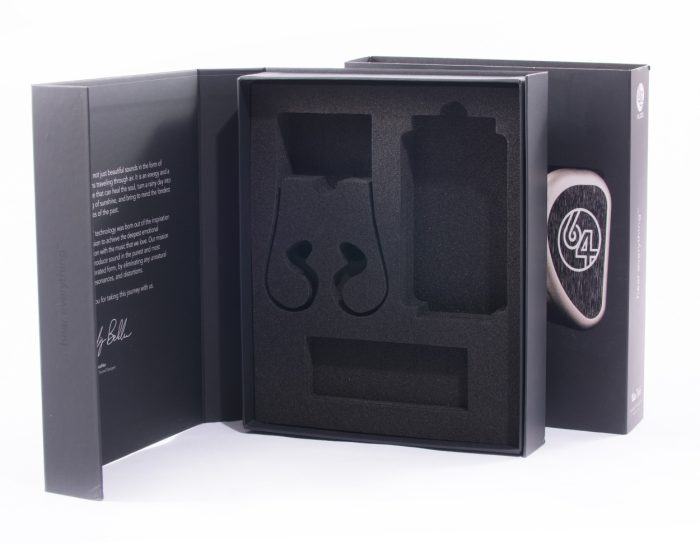
The headphones are housed in a rigid box, which acts as the primary packaging, with a foam insert securing the product for added stability and protection.

Custom Packaging Solutions

At Wynalda Packaging, we specialize in the manufacturing of high-quality folding cartons, rigid boxes, and molded pulp that can be used for either primary or secondary packaging. 

Looking for a custom solution? We’re here to help bring your vision to life. Contact us today!

Sustainable Package Design

Sustainable Package Design

As businesses and consumers are becoming more environmentally conscious, sustainable package design has become a priority for brands looking to reduce their environmental footprint. By incorporating eco-friendly materials, optimizing structural designs, and minimizing waste, companies can create packaging solutions that are both functional and sustainable.


Eco-Friendly Material Selection

A fundamental consideration when developing sustainable packaging solutions is the selection of materials being used.

  • Recycled Materials: Choosing paper-based or plastic options composed of recycled content helps minimize environmental impact by reducing waste and conserving natural resources.
  • Recyclability: Utilizing a single material like paperboard or PET, or easily separable materials that are compatible with existing recycling processes contributes to a circular economy.
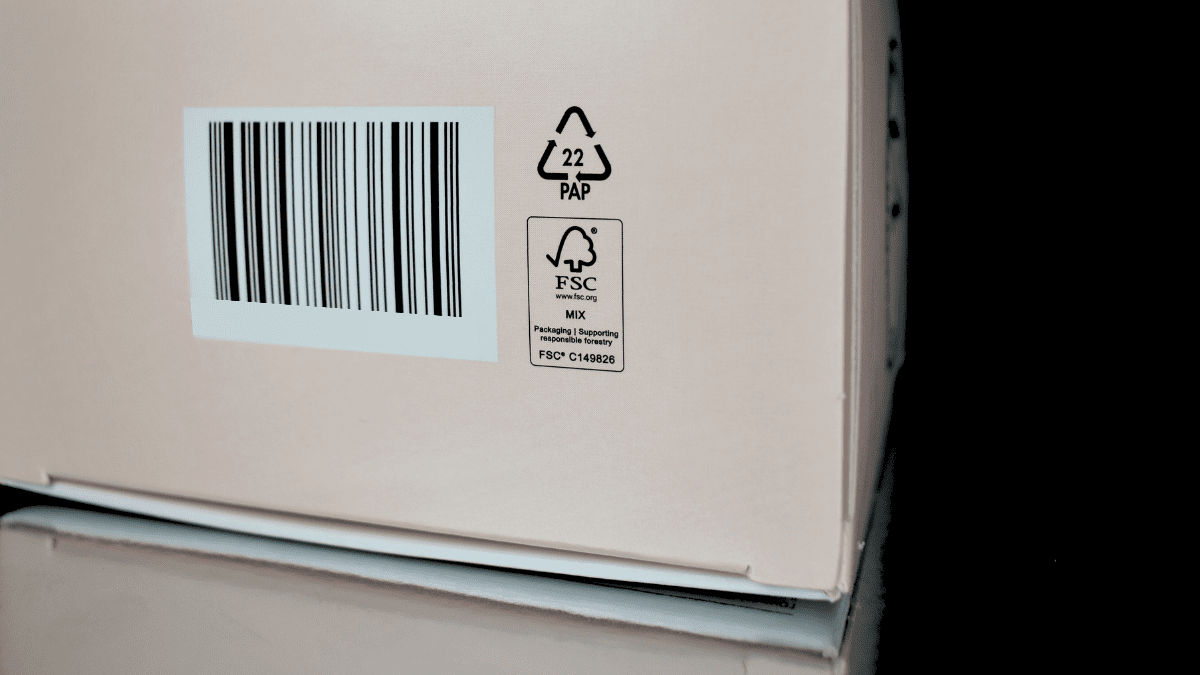
  • Renewable Resources: Sourcing packaging materials from renewable resources like FSC® or SFI® certified paperboard supports responsible forestry practices. (FSC® C149826)


Box Materials

Common types of box packaging made from sustainable materials include:

  • Paperboard Folding Cartons: These cartons are lightweight and can be made from recycled or sustainably sourced paperboard. 
  • Rigid Set-Up Boxes: Often used for premium products, these boxes are made of recycled chipboard, offering a luxurious yet sustainable choice.
  • Corrugated Boxes: Made with high recycled content and designed for durability, corrugated packaging is a staple for sustainable packaging.


Insert Materials

Designed to protect products, traditional packaging inserts are typically made from synthetic materials such as thermoformed plastic or styrofoam, which contribute to environmental waste and pollution. There are several eco-friendly alternatives that provide the same level of protection while offering sustainability:

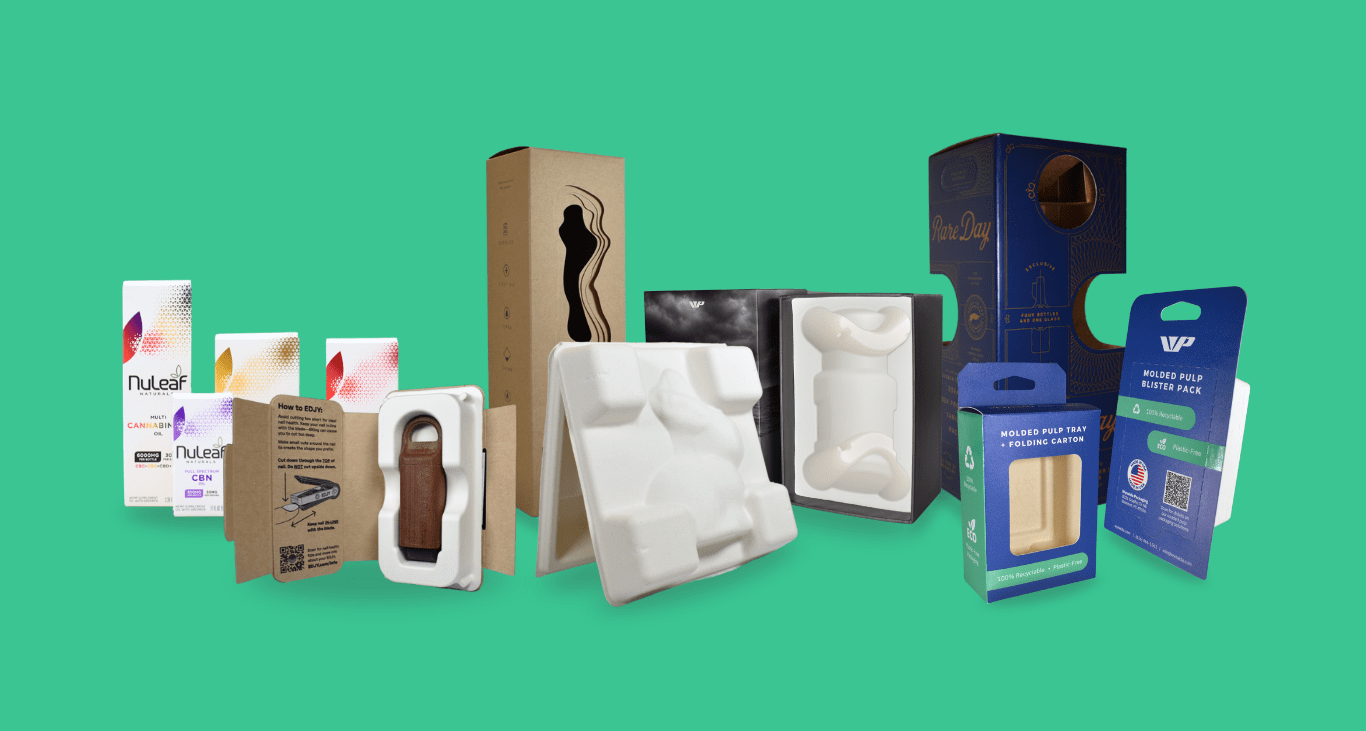
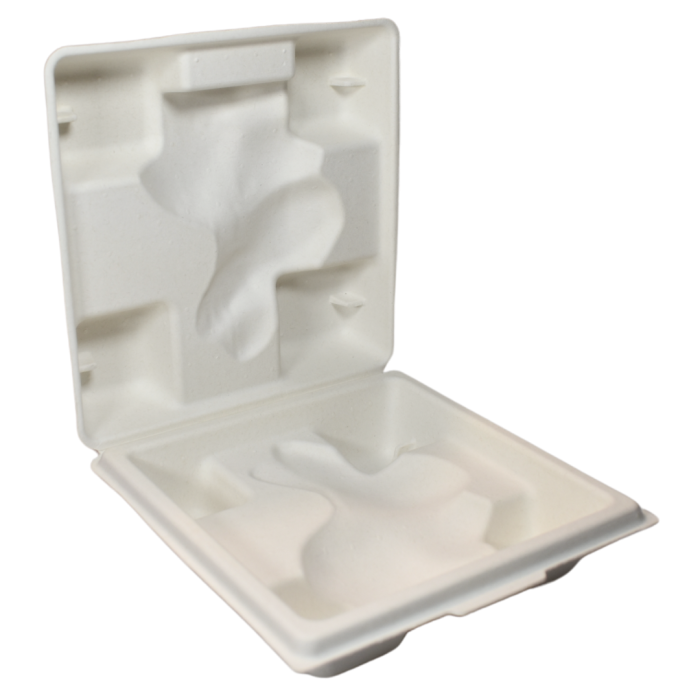
  • Molded Pulp Inserts: Made from recycled paper fibers, molded pulp provides excellent product protection while being biodegradable and recyclable.
  • Paperboard and Corrugated Inserts: Made from renewable resources, these inserts offer a sturdy platform to hold products securely while being highly recyclable.


Optimizing Material Usage

Sustainable packaging design isn’t just about choosing the right materials—it’s also about using those materials as efficiently as possible. Strategies to optimize material usage can include:

  • Efficient Sheet Utilization: Packaging structures can be designed to maximize the number of pieces on a sheet and minimize the amount of empty space between each piece, reducing scrap and material waste. For example, opting for a reverse-tuck folding carton instead of a straight-tuck design can often improve sheet yield, as the flap placement allows for more efficient nesting.
  • Precise-Fit Packaging: Designing packaging that fits the product dimensions perfectly minimizes material usage.


Transportation Efficiencies

The weight and shape of packaging plays a significant role in carbon emissions during transportation. Efficient package design prioritizes:

  • Lightweight Materials: Using lightweight materials such as paperboard or corrugated cardboard reduces fuel consumption and carbon emissions generated during transportation.
  • Space-Saving Designs: Stackable packaging structures with minimal empty space inside maximizes shipping efficiency, allowing more products to be transported using less space and fewer resources.


Conclusion

By incorporating recycled, recyclable, and renewable materials into packaging designs, optimizing packaging structure, and reducing waste, brands can create packaging solutions that are both eco-friendly and functional.

At Wynalda Packaging, we are dedicated to helping businesses develop innovative, sustainable packaging solutions that align with their environmental goals. If you’re looking to make your packaging more sustainable, contact us to explore your options!

Offset Digital Printing vs Lithography

Offset Digital Printing vs Lithography

What is Offset Digital Printing?

Lithographic printing has long been the gold standard for superior print quality. However, new innovation in the digital printing industry is redefining these expectations. Nanographic Printing®, a technology developed by Landa, blends digital and offset printing methods, delivering the flexibility of digital printing with the exceptional print quality and high-speed performance of traditional offset printing.


How It Works

The Nanographic Printing® process begins with the ejection of billions of microscopic droplets of water-based Landa NanoInk® onto a heated image conveyor blanket. When all the water has been evaporated, the ink becomes an ultra-thin dry polymeric film. Upon transfer to the substrate, the film instantaneously bonds, forming a tough abrasion resistant layer, leaving no residual ink on the blanket. Because wet ink never comes in contact with the substrate and therefore cannot be absorbed, there is virtually zero dot gain

When it comes to printing high-quality packaging, both lithography and offset digital printing have their place. Understanding the strengths of each method can help you choose the most efficient and cost-effective option for your specific needs.


What Both Methods Offer

High Print Quality

Landa’s Nanographic Printing® delivers ultra-high-resolution images and dense, vibrant colors, creating prints that are virtually indistinguishable from those produced from lithographic printing, making both great options for optimal print quality.


Paperboard Compatibility

While traditional digital presses have some substrate limitations, the Landa S11 digital offset press, like lithographic presses, can print on virtually any coated or uncoated paper or cartonboard.


Offset Digital Printing

Although the print quality and paperboard compatibility are very comparable for the two methods, there are a few areas where offset digital printing offers conveniences over lithographic printing.


Print Variations

While lithographic printing requires the use of printing plates and time consuming set-up and calibration processes for each job, offset digital printing requires no set-up or calibration and does not use printing plates. This allows for rapid print changes, making it ideal for:

  • Limited-edition packaging with no commitment to large print quantities.
  • Personalized packaging with unique designs, QR codes, or text on each piece.
  • Projects with multiple SKUs or frequent design variations.

It is especially great if all of the variations use the same dieline, so they can go through post-press processing together, saving time and keeping costs down.


Cost Effective Short to Medium Runs

By eliminating the need for printing plates, set-up, and calibration, offset digital printing provides a cost effective and efficient option for short to medium print runs. The Landa S11 prints up to 6,500 sheets per hour, making it comparable to lithographic press speeds, but without the setup time.


Sustainability

Offset digital printing also offers a couple of eco-friendly advantages over lithographic printing:

  • Reduces waste by eliminating printing plates and calibration materials.
  • Cost-effective short runs prevent overproduction.


Pantone Colors Without Ink Mixing

Unlike traditional digital presses that use the CMYK color scale and offer a more limited color range, the Landa S11 utilizes an advanced 7-color printing process based on the RGB color spectrum. This technology achieves an impressive 96% of Pantone colors without the need for ink mixing or spot colors—saving time and eliminating the complexities required for precise color matching in lithographic printing.


Lithographic Printing

Lithography also has advantages over offset digital printing in certain areas:


Cost Effective Long Runs

With a higher output of sheets per hour, lithography can be more cost effective for long runs where the time and costs associated with plate-making, set-up, and calibration are justified.


Complete Color Capabilities

While lithographic printing does require ink mixing for spot colors, it has no limit to the colors it can achieve. By creating custom inks, lithography can match any Pantone color or custom spot color.


Use Cases

In conclusion, both lithography and offset digital printing have unique efficiencies and manufacturing capabilities, and the right choice depends on the specific requirements of a project.


When to Use Offset Digital Printing

  • Short to medium runs
  • High-volume projects with design variations
  • Personalized and variable printing


When to Use Lithography

  • High-volume projects with minimal design variations
  • Specific color requirements not achievable digitally


Still not sure which method is right for your project? Speak with a packaging expert today to find the best solution for your brand!