Eco-Friendly Inks and Coatings: Choosing Sustainable Options

Eco-Friendly Inks and Coatings: Choosing Sustainable Options

At Wynalda Packaging, we believe that high-impact aesthetics should not come at the expense of the planet. As brands move toward more circular economies, eco-friendly inks and coatings have become a critical factor in packaging. 

So, which options offer the best balance of performance and planet-friendliness? Let’s dive into the details.

Eco-Friendly Ink Options

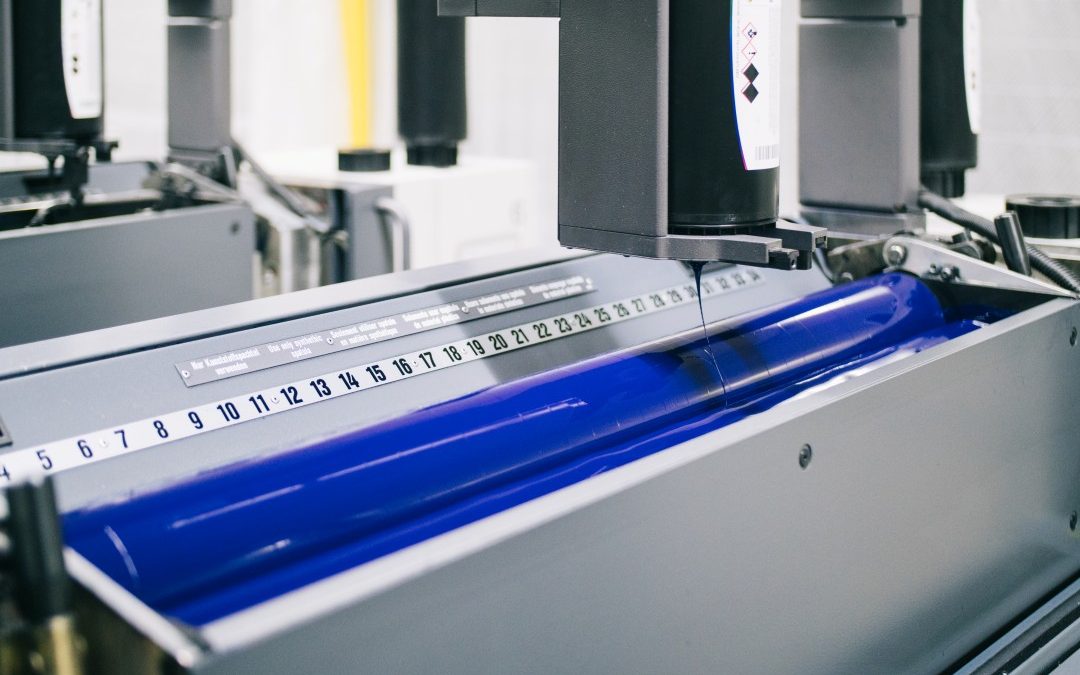
The sustainability of an ink is largely determined by its “vehicle”—the liquid that carries the pigment. Here is how the most common industry options compare.

Vegetable-Based OffsetPetroleum-Based OffsetUV-CurableWater-Based FlexoLanda NanoInk®
Base chemistryPlant oils + pigment + driersMineral oils + pigmentAcrylate oligomers + photoinitiatorsWater + resin + pigmentWater + polymer-bound nano-pigments
Renewable / bio content30 – 70 %~0 %LowMediumModerate
VOCs / emissionsVery lowHighNone (no solvent, but photoinitiators not benign)Very lowVery low
Drying mechanismOxidative polymerization (slow)Oxidative polymerizationUV-cure polymerizationEvaporationEvaporation + film transfer
Drying speedSlowModerateInstantFastFast
Odor / work environmentLowMedium–highLowLowVery low
Rub / scuff resistanceMediumMed–HighHighMediumHigh
Color strength / glossGoodExcellentExcellentMediumExcellent
De-inkability / recyclabilityExcellentFairPoor – variableExcellentClaimed excellent
VOC / air-permit impactMinimalSignificantMinimalMinimalMinimal
Energy in curingLowLowHighLowModerate
Press waste reductionNormalNormalNormalNormalHigh (digital, no plates)
Laser-etch compatibilityGoodGoodPoorFairVariable (needs window)
Sustainability marketing valueStrongWeakModerateModerateStrong
Typical useSheetfed paperboardSheetfed / webUV offset / flexoCorrugated / paperboardDigital folding cartons
Environment Score4.5 / 52 / 53 / 54 / 54.5 / 5

Vegetable-Based Offset

This is one of the most eco-friendly choices available. By replacing petroleum-based mineral oils with plant-derived oils, these inks offer high renewable content and very low VOC emissions. They are also widely recognized for having excellent de-inkability, making them a favorite for recyclable paperboard.

Petroleum-Based Offset

While traditionally popular for their excellent color strength and gloss, petroleum-based inks rely on mineral oils and result in high VOC emissions. They are increasingly being phased out by brands with strong sustainability mandates.

UV-Curable

UV-curable inks use acrylate oligomers and photoinitiators that dry instantly under UV light. While they produce no solvent emissions, the photoinitiators are not considered “benign,” and require high energy for curing. Their recyclability is also variable, often proving difficult to strip from fibers.

Water-Based Flexo

Frequently used for corrugated packaging, water-based flexo inks are a solid sustainable choice. They utilize water and resin rather than harsh chemicals, resulting in very low VOCs and excellent recyclability.

Landa NanoInk®

Representing the cutting edge of digital print, Landa NanoInk® is another eco-friendly choice. Because it is a digital process, it significantly reduces press waste by eliminating plates. It offers moderate renewable content and excellent de-inkability, making it a “strong” marketing value for eco-conscious brands.

Eco-Friendly Coating Options

Coatings protect the print and provide the tactile experience of the package. For modern brands, the goal is to find the ‘sweet spot’ where high-performance durability, premium aesthetics, and environmental stewardship intersect.

Aqueous GlossAqueous MatteAqueous Soft TouchUV GlossUV SatinUV MatteUV Soft-TouchFilm Laminate (PET/BOPP)
Base chemistryWater-borne acrylicWater-borne acrylicModified acrylic100 % solids UV acrylate100 % solids UV acrylate100 % solids UV acrylateModified acrylic / urethane (UV-curable)Plastic film + adhesive
VOC emissionsVery lowVery lowLowNoneNoneNoneNoneNone
Curing / dryingHot air / IRHot air / IRHot air / IRInstant UVInstant UVInstant UVInstant UVHeat / pressure
Surface glossHighLowVery lowVery highMediumLowVery lowVariable
Rub / scuff resistanceModerateModerateGoodExcellentExcellentGoodVery goodExcellent
Laser-etch compatibilityFair–GoodExcellent (best)Fair–PoorPoorPoor – VariableFairPoorVery poor
Recyclability / repulpabilityExcellentExcellentGoodGoodGoodGoodGood–ModeratePoor
Renewable contentModerateModerateLow–ModerateLowLowLowLowLow
Tactile feelSlickPaper-likeVelvety / soft rubberizedSlick / glassySmooth satinSmooth low-glossVelvety / rubberyPlastic
Typical usesFood, pharmaPremium, laser windowsSustainable & luxury packagingSpirits / cosmeticsPremium generalPremium matteCosmetic, spirits, and luxury packagingUltra-premium barrier
Relative costLowLowMediumMediumMediumMediumMed–HighHigh
Environment Score4 / 54.5 / 53.5 / 53 / 53 / 53.5 / 53 / 52 / 5

AQ (Aqueous) Coatings

Aqueous coatings are water-borne acrylics that are generally considered the most sustainable finishing option.

  • Gloss: Offers a high-shine finish with very low VOCs. It is a standard for food and pharma packaging due to its excellent recyclability.
  • Matte: The sustainability leader in coatings. It provides a paper-like feel and is the best option for packages requiring laser-etching windows for serial numbers or barcodes.
  • Soft-touch: Provides a velvety, rubberized feel for luxury packaging. While it has a slightly lower environment score than other AQ options, it remains a more sustainable alternative to plastic laminates.

UV Coatings

UV coatings provide a premium, durable finish but require high energy to cure and offer low renewable content.

  • Gloss: Known for a slick and glassy feel with very high surface gloss. 
  • Satin: Provides a smooth, medium-gloss finish often used for premium general packaging.
  • Matte: Offers a smooth, low-gloss look, slightly better for recyclability than its gloss counterpart.
  • Soft-touch: A modified acrylic/urethane coating that provides a premium, rubbery feel for luxury spirits and cosmetics, though it is more expensive.

Film Laminate (PET/BOPP)

Film lamination involves adhering a literal layer of plastic to the paperboard. While it offers an excellent barrier and scuff resistance, it is the least sustainable option. It is difficult to recycle and relies on plastic films, making it a challenge for brands aiming for plastic-free packaging.

Conclusion

Every choice made during the design process leaves a footprint. By opting for vegetable-based inks and aqueous coatings, brands can achieve a premium look while maintaining high recyclability and low emissions. 

At Wynalda Packaging, we are committed to helping you find the perfect balance between shelf presence and environmental responsibility. Speak with a packaging expert to get your project started!

FSC® Paperboard Options: Choosing the Right Material for Your Packaging

FSC® Paperboard Options: Choosing the Right Material for Your Packaging

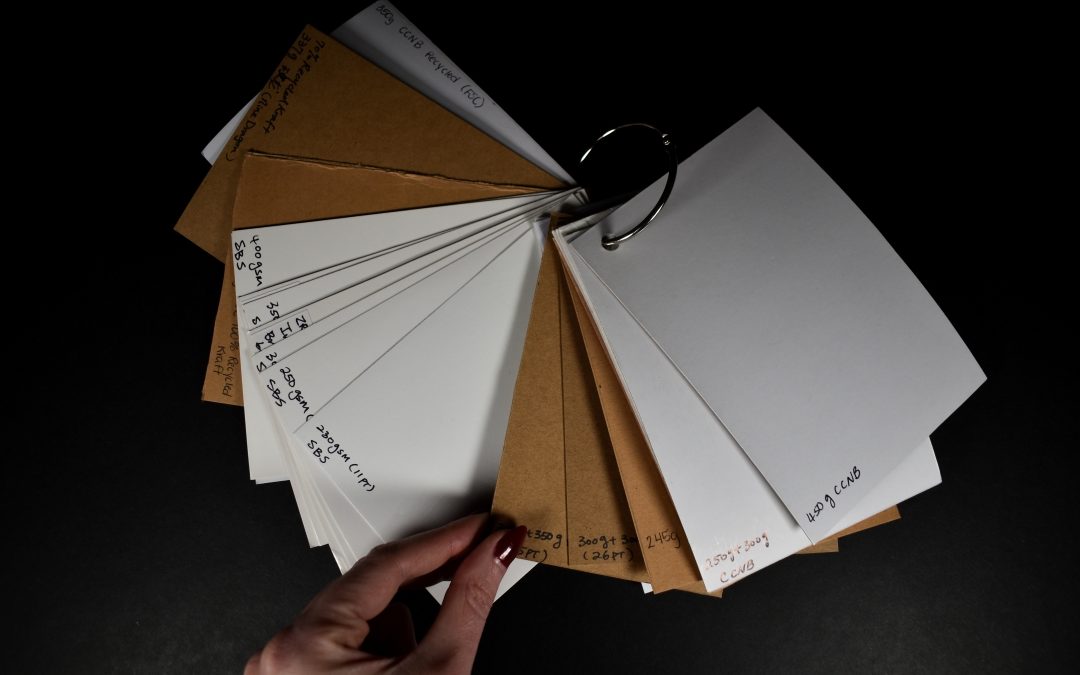
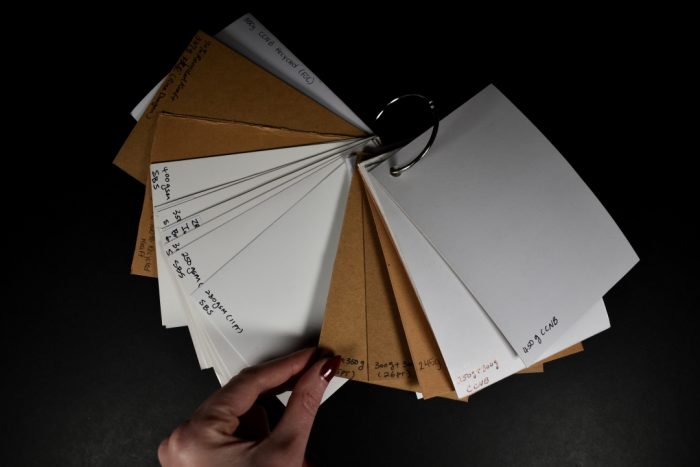
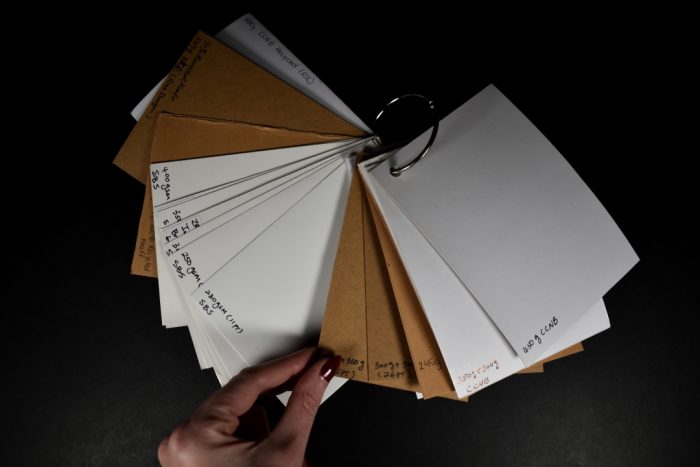
Selecting the right paperboard is one of the most important decisions in packaging design. Strength, print quality, sustainability, cost, and consumer perception all play a major role, and the options can feel overwhelming. To help simplify the process, here’s a breakdown of six common FSC®-eligible paperboard materials and how they compare. (FSC® C149826)


Solid Bleached Sulfate (SBS)

Best for: Premium cosmetics, pharmaceuticals, spirits

SBS is known for its excellent print surface, bright white appearance, and high strength, making it ideal for luxury packaging. While fully recyclable and eligible for FSC 100% or FSC Mix, SBS is made from 100% virgin bleached fiber, giving it a higher environmental footprint than recycled options. Still, its premium quality and responsible forestry sourcing offer strong sustainability messaging.

Environment Score: 4 / 5


Coated Recycled Board (CRB / CCNB)

Best for: General folding cartons and everyday packaging

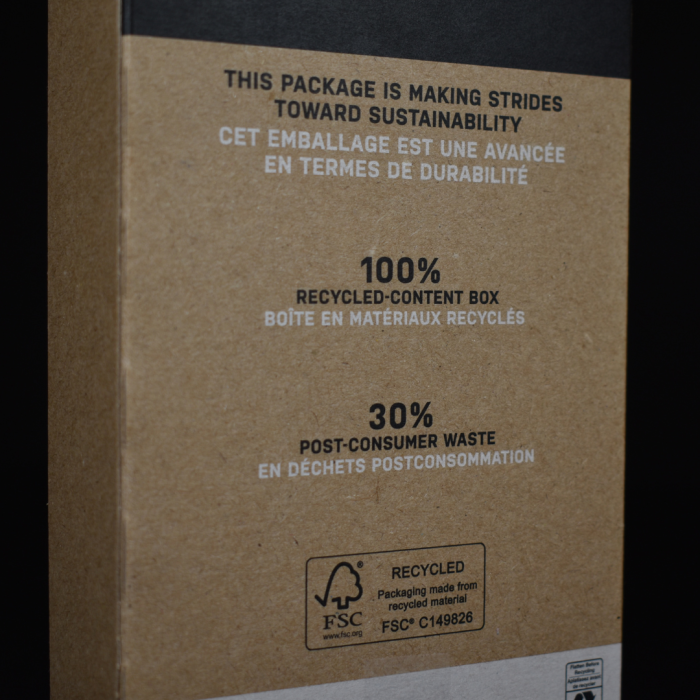
CRB features a coated top liner and is made from 100% recycled fiber, most of which is post-consumer. It offers good printability at a significantly lower cost, making it a budget-friendly, eco-forward choice. FSC Recycled eligibility and high recyclability make CRB a top contender for brands seeking affordability and strong sustainability credentials.

Environment Score: 5 / 5


Uncoated Recycled Board (URB)

Best for: Industrial packaging, partitions, inner packs

URB is a 100% recycled, uncoated board with a rougher surface. While not ideal for premium print applications, it excels in functionality and sustainability. It’s the lowest-cost option and offers high recyclability, excellent laser-etching compatibility, and strong sustainability messaging.

Environment Score: 5 / 5


Uncoated Unbleached Kraft (UUK)

Best for: Heavy-duty retail, industrial parts, eco-packaging

UUK is composed of unbleached virgin kraft fibers, providing exceptional tear resistance and stiffness without the addition of a clay coating. Its natural brown, textured surface offers a distinctively organic aesthetic perfect for brands seeking an authentic “eco-look,” though print quality is more rustic compared to coated options. With FSC 100% or FSC Mix eligibility and robust structural performance even in humid conditions, UUK combines heavy-duty functionality with responsible forestry messaging.

Environment Score: 4 / 5


Solid Unbleached Sulfate (SUS) / Coated Natural Kraft (CNK)

Best for: Beverage carriers, durable packaging, and premium natural-look packaging

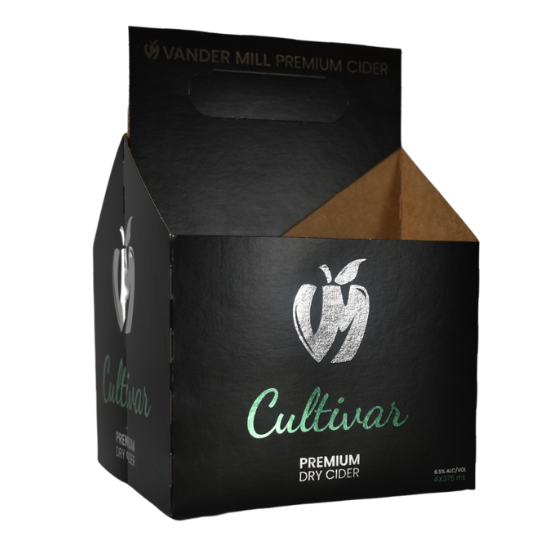
These board types rely on virgin kraft fibers, offering exceptional strength, durability, and moisture resistance. With strong recyclability, FSC 100% or FSC Mix availability, and high performance, these boards are ideal for packaging that must carry weight or withstand moisture. These materials deliver an earthy, eco-forward look that resonates with environmentally conscious consumers.

Environment Score: 4 / 5


How to Choose the Right FSC® Paperboard

When evaluating the options, consider these key factors:

Print Quality & Aesthetics

  • For luxury visuals: SBS or FBB
  • For natural or rustic branding: CNK or SUS
  • For budget-friendly printing: CRB


Sustainability Priorities

  • Highest recycled content: CRB & URB
  • Renewable fiber with premium performance: FBB or CNK
  • Responsible virgin fiber: SBS & SUS


Strength & Durability

  • Highest strength: SUS and CNK
  • High stiffness with low weight: FBB
  • Standard strength: SBS
  • Lower strength: URB


Cost Efficiency

  • Lowest: URB
  • Low: CRB
  • Medium: FBB, SUS, CNK
  • Highest: SBS


Final Thoughts

Each FSC-eligible paperboard material offers unique strengths, whether your priority is premium print quality, sustainability, cost savings, or durability. Understanding how they compare helps you make intentional choices that align with your brand, your product, and your sustainability goals.

If you’d like help selecting the ideal paperboard for your next project, Wynalda Packaging’s experts are here to guide you. Contact us today!
FDA Packaging Requirements

FDA Packaging Requirements

Understanding FDA Packaging Requirements

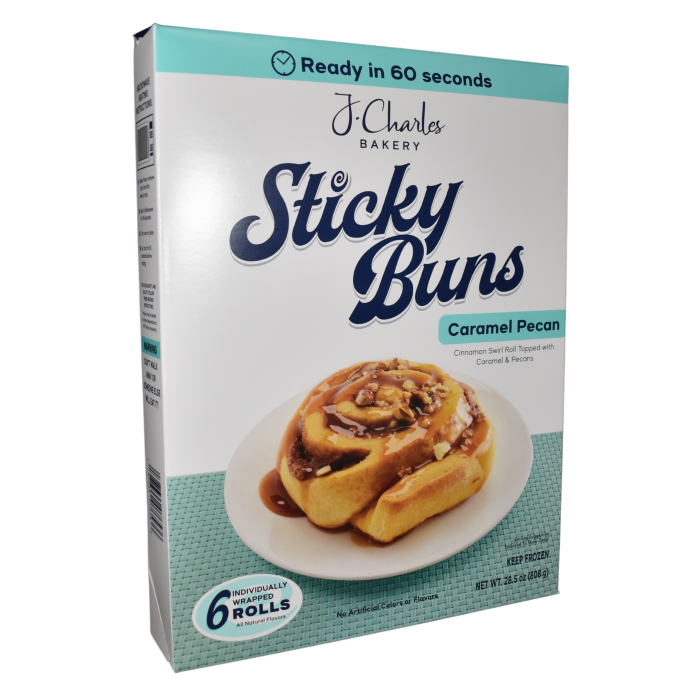
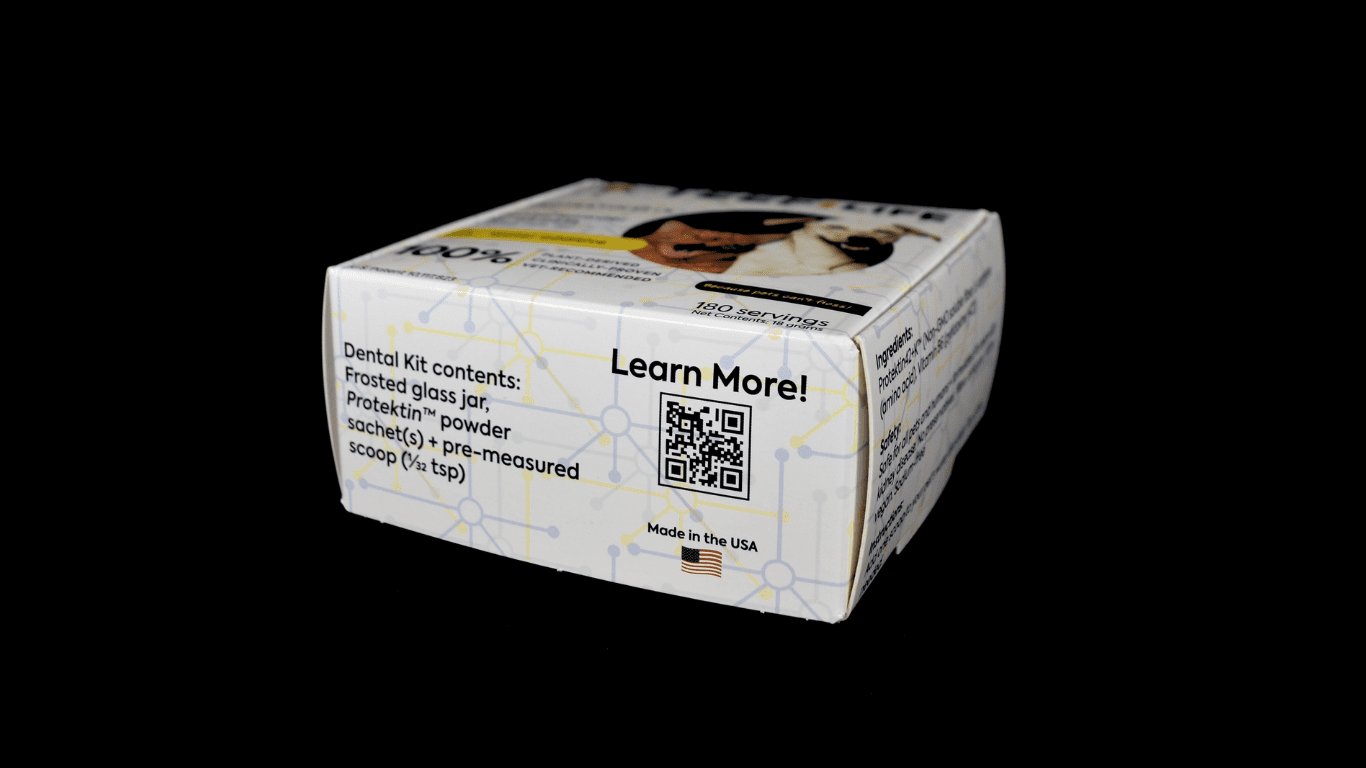
When it comes to packaging for food and pharmaceuticals, compliance with FDA regulations is essential. These standards safeguard consumers by ensuring product safety, integrity, and accuracy from manufacturing to the point of sale.


At Wynalda Packaging, we understand the complexities of FDA packaging requirements. Our experienced team and certified facilities provide the expertise, precision, and documentation necessary to help brands meet every requirement with confidence.


FDA Food Packaging Requirements

FDA food packaging requirements govern the materials, manufacturing practices, and labeling standards used to ensure packaged foods remain safe, high-quality, and accurately represented to consumers.


Packaging Materials

Packaging materials used for direct food contact, including coatings, adhesives, inks, and substrates, must comply with Title 21 CFR Parts 174-178 and must not:

  • Transfer harmful substances to food
  • Alter taste, odor, or appearance of the food
  • Compromise the product’s quality or shelf life


Wynalda’s team works directly with customers to select approved materials and ensure that all production and finishing processes meet FDA standards for safety and performance.


Labeling Requirements

Food packaging must also meet strict labeling regulations to ensure consumers receive accurate and transparent information.


Key FDA labeling requirements include:

  • Truthful representation: All claims must be accurate and not misleading.
  • Mandatory information: Labels must display the product name, ingredient list, net quantity of contents, and manufacturer or distributor name and address.
  • Nutrition Facts label: Most packaged foods require an FDA-compliant nutrition panel following 21 CFR 101.9.
  • Allergen labeling: Major allergens must be declared per the Food Allergen Labeling and Consumer Protection Act (FALCPA).
  • Imported foods: All imported food labels must meet FDA standards and appear in English.


FDA Drug Packaging Requirements

Pharmaceutical packaging is held to even more stringent standards due to its direct impact on patient safety and product efficacy.

Packaging Functionality

The FDA requires that packaging for drugs and medical devices:

  • Maintains product integrity throughout its shelf life
  • Provides adequate protection against contamination or degradation
  • Is compatible with the drug or device (per CFR 211.94)
  • Does not leach or react with its contents


Wynalda Packaging ensures compliance through validated processes, documented quality controls, and traceability from prototype to full-scale production.


Labeling Requirements

Drug packaging labels must provide complete, accurate, and legible information to meet 21 CFR 201 requirements.


Requirements include:

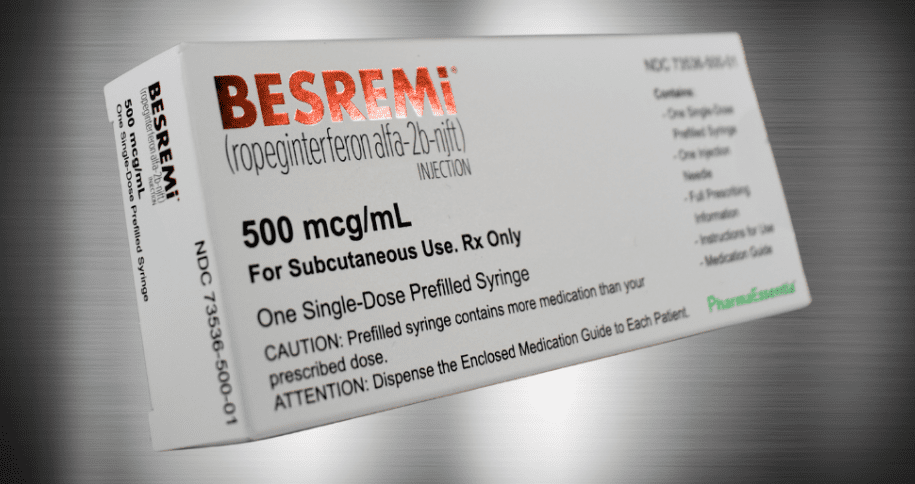
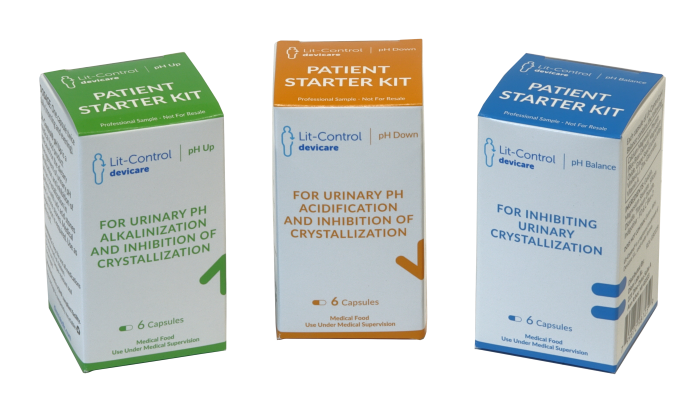
  • Prescription drugs: Must include product identity, quantity, strength, dosage form, manufacturer details, and directions for use.
  • Over-the-counter drugs: Require a “Drug Facts” panel listing active ingredients, purposes, warnings, and directions.
  • National Drug Code (NDC): Every product must display its unique NDC identifier.
  • Safety and accuracy: All information must be truthful, supported by evidence, and updated promptly when new safety data emerges.
  • Patient information: Certain drugs require Medication Guides or Patient Package Inserts to communicate proper use and potential risks.


Production Environments

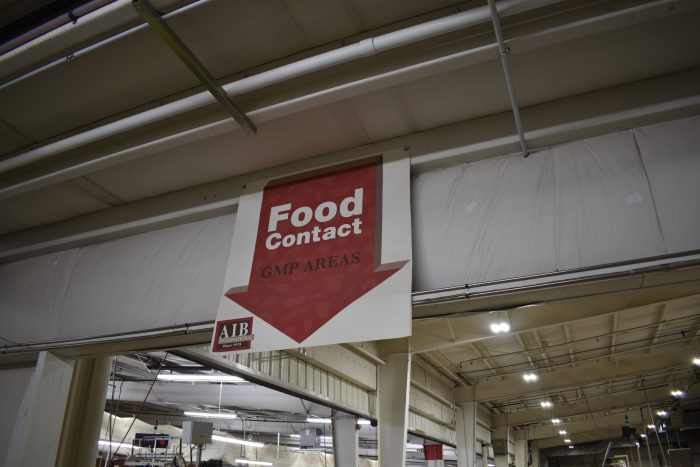
Both food and drug packaging must be produced under clean, controlled conditions and align with Current Good Manufacturing Practice (cGMP) regulations.


Current Good Manufacturing Practices (cGMP)

FDA approval depends on a manufacturer’s ability to demonstrate compliance with cGMP regulations, which establish minimum standards for the methods, facilities, and controls necessary to ensure quality, consistency, and safety. Choosing a packaging partner that adheres to these regulations and can provide complete documentation and verification of compliance is essential to achieving FDA approval.


AIB-Approved Facility

Wynalda Packaging operates an AIB-approved facility, reflecting strict adherence to standards for cleanliness, quality control, and food safety. This reflects our commitment to maintaining the highest levels of compliance for customers in regulated industries.


The FDA Packaging Approval Process

For new food or drug products, or any significant changes to existing packaging, the FDA requires production-quality printed packaging samples as part of the review process. This often involves multiple rounds of revisions, so brands benefit from working with a packaging partner capable of quick-turn, small production runs and rigorous documentation.


At Wynalda Packaging, our Design and Prepress teams are deeply involved throughout this process, refining every detail to ensure each submission meets FDA packaging requirements and helping customers efficiently navigate their respective approvals.


Achieve Compliance With Confidence

Navigating FDA packaging requirements can be complex, but you don’t have to do it alone. Wynalda Packaging brings deep regulatory knowledge, precision manufacturing, and responsive support to work with you through the process.


Whether you need FDA-compliant food packaging or pharmaceutical cartons, our team is equipped and ready to help. Speak with a packaging expert to get your project started!

Packaging Security: Anti-Counterfeit & Anti-Diversion Strategies

Packaging Security: Anti-Counterfeit & Anti-Diversion Strategies

In today’s global marketplace, packaging security plays a crucial role in protecting both brand integrity and consumer safety. Counterfeit and diverted products not only threaten revenue but can also harm your reputation and consumer trust, especially when it comes to high-value or sensitive goods.


By integrating anti-counterfeit and anti-diversion strategies into your product packaging, brands can create multiple layers of protection that deter tampering, enable traceability, and provide consumers with confidence in product authenticity.


Innovative Packaging Security Applications

There are many ways to enhance the security and traceability of your packaging. Below are several proven anti-counterfeit packaging technologies that can be incorporated into folding cartons and other secondary packaging formats:


Unique Serialization

Assigning unique codes, such as serial numbers or QR codes, to each carton enables full traceability and verification at every stage of the supply chain. This helps identify where a product was made, where it’s been, and ensures only authentic goods reach the customer.


Tamper-Evident Features

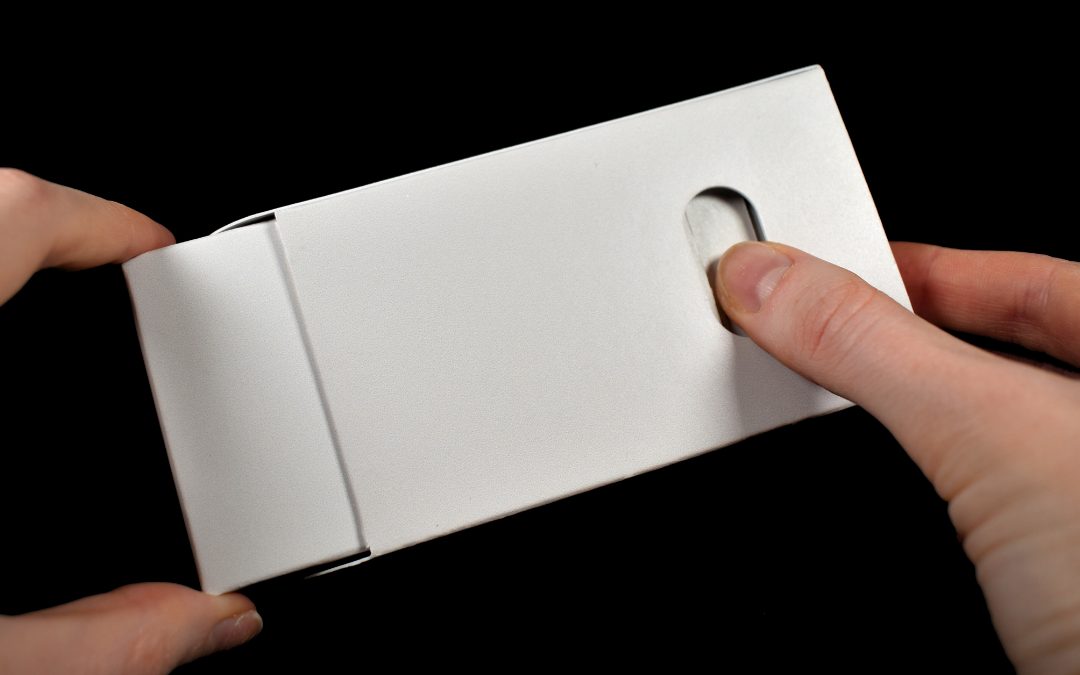
Structural packaging designs can include closures or seals that show visible evidence if a product has been opened or altered. This not only deters tampering but provides immediate reassurance to consumers that their product hasn’t been compromised.


Holographic Security

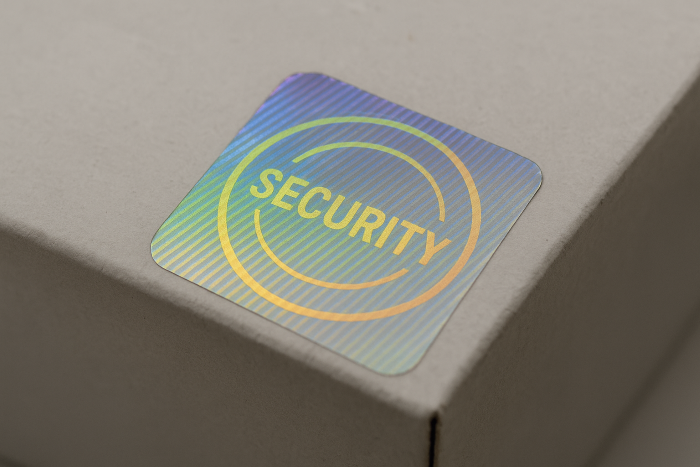
Holographic elements use a metalized film to create detailed 2D and 3D images that shift in color and appearance when viewed from different angles. These distinctive, difficult-to-replicate visuals provide an immediate visual verification of authenticity.


Security & Taggant Ink

Invisible to the human eye, taggant ink—or security ink—can be printed during production and revealed only under UV light or with specialized digital readers. This hidden identifier helps brands confirm authenticity without affecting the packaging design.


RFID Technology

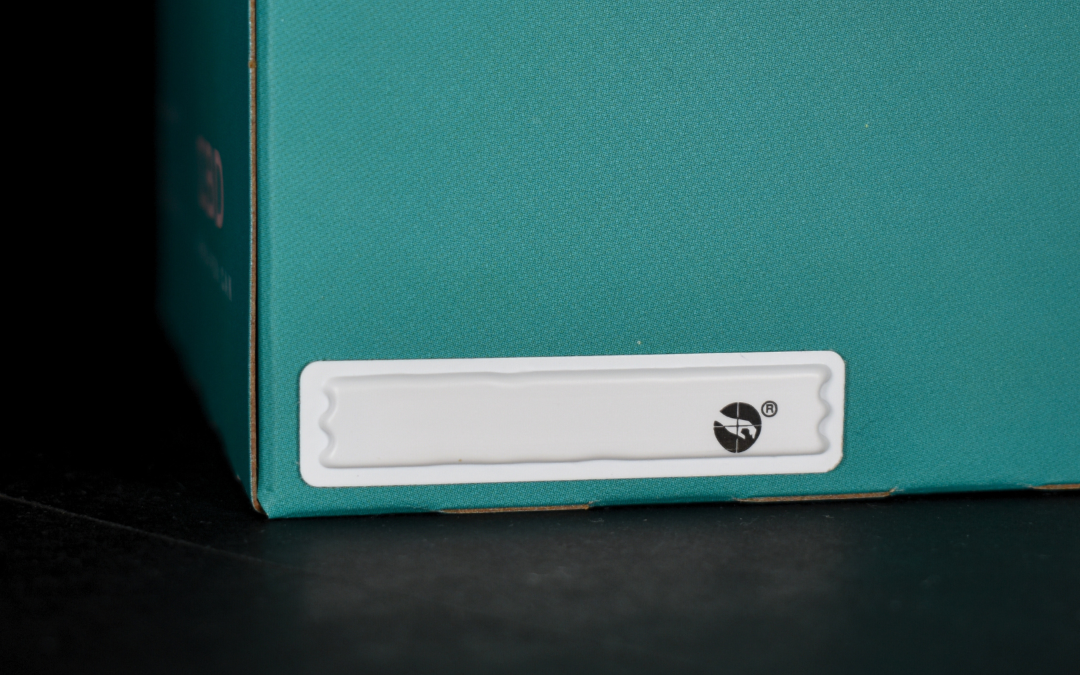
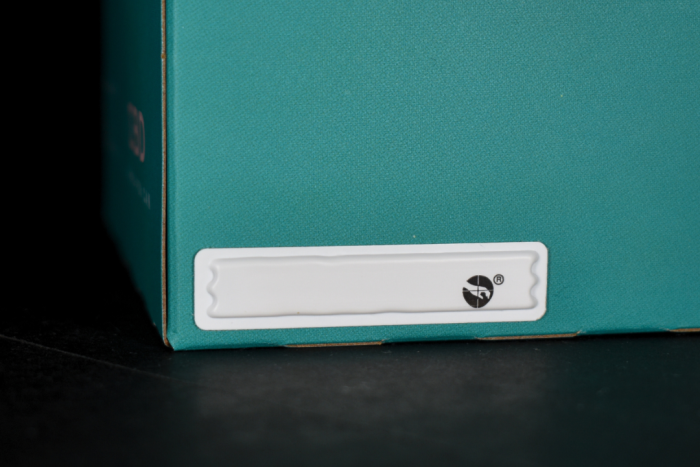
Radio Frequency Identification (RFID) tags can be embedded during the packaging manufacturing process, allowing for real-time tracking and authentication throughout the supply chain. RFID enhances both security and inventory visibility.


Microtext

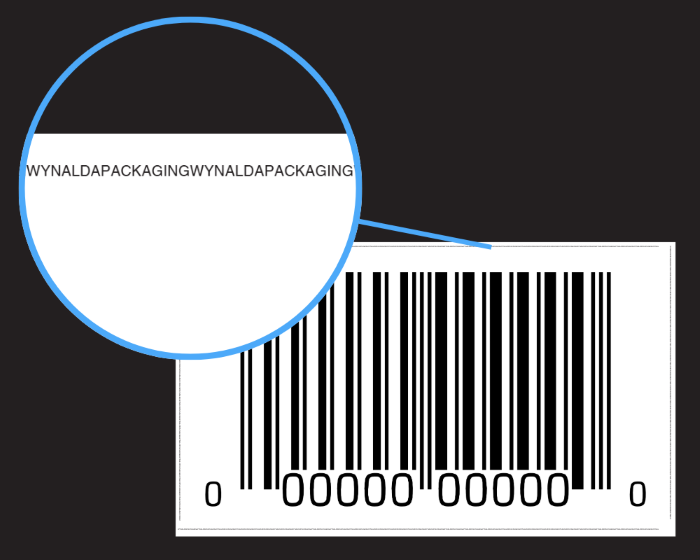
Microtext involves printing extremely small text that requires magnification to read. This subtle but effective anti-counterfeit packaging feature is challenging for counterfeiters to replicate and provides an added layer of protection.


Building a Multi-Layered Security Strategy

The most effective approach to packaging security combines multiple technologies. Layering visible and invisible security features makes it exponentially more difficult for counterfeiters to duplicate and provides additional checkpoints for verification throughout your distribution network.


By integrating these solutions in your packaging design process, you can strengthen your brand protection, safeguard consumers, and ensure product authenticity from production to purchase.


How Wynalda Packaging Can Help

At Wynalda Packaging, we combine advanced printing capabilities with customizable anti-counterfeit packaging technologies to help brands protect their products and reputation. From holographic foils and taggant inks to serialized printing and RFID integration, our team works with you to develop packaging that enhances both security and shelf appeal.


Ready to explore how we can elevate your packaging security? Contact us today to start a conversation.

What Is FSC®-Certified Packaging, And Why Does It Matter?

What Is FSC®-Certified Packaging, And Why Does It Matter?

More than ever, brands are being asked to back up their sustainability claims with proof. For packaging, one of the most trusted certifications is FSC® certification, a globally recognized standard for responsible forest management. But what does FSC-certified packaging really mean, and why should brands care?


The Forest Stewardship Council® (FSC)

The Forest Stewardship Council (FSC) is an international nonprofit that sets rigorous standards for responsible forestry. Their mission is to ensure that forests are managed in ways that prevent deforestation, preserve biodiversity, and benefit local communities and workers.

When you see the FSC label on packaging, it signals that the materials used support responsible forestry and come from verified supply chains.


FSC® Chain of Custody (COC)

The FSC Chain of Custody certification tracks forest-based materials through every step of the supply chain, from sourcing to distribution:

  1. Wood is gathered from responsibly managed forests and other controlled sources.
  2. The wood is processed into paperboard.
  3. That paperboard is converted into packaging.
  4. Packaging is supplied to brands and distributed to retail markets.


Every step in the supply chain is verified to ensure compliance with the FSC COC standards:

  • Zero Deforestation – Trees are harvested responsibly, with no net forest loss over time. Old-growth and high-value forests are preserved.
  • Fair Wages & Work Environments – Workers receive training, safe conditions, and fair compensation.
  • Plant & Animal Protection – Biodiversity is safeguarded, protecting species that rely on forest habitats.
  • Community Rights – Local communities are consulted, and their legal and cultural rights are respected.


Types of FSC Labels

There are three main FSC labels you’ll find on packaging:

  • FSC 100% – All materials come from FSC-certified forests.
  • FSC Recycled – The product is made entirely from verified recycled material.
  • FSC Mix – A combination of FSC-certified forest materials, recycled content, or controlled wood.


Each label communicates a clear story about the product’s sustainability.


Why Should Brands Use FSC-Certified Packaging?

  • Environmental Responsibility – Supports climate initiatives, corporate sustainability goals, and global conservation efforts.
  • Consumer Demand – Modern consumers are paying closer attention to eco-labels when making purchasing decisions.
  • Reputation & Trust – The FSC logo is the most trusted mark in sustainable forest management, recognized by 56% of consumers worldwide. It helps brands stand out as credible and responsible.


FSC-Certified Packaging at Wynalda

At Wynalda, we’re proud to offer FSC-certified packaging solutions (FSC® C149826). Our certification means:

  • Sourcing – We work with mills and suppliers that meet FSC requirements.
  • Material Separation – FSC-certified materials are tracked and kept separate to maintain integrity.
  • Audits – Regular third-party audits ensure compliance and accountability.


For our customers, this means peace of mind: when you choose Wynalda, you can confidently communicate your sustainability efforts to your customers.


The Bottom Line

FSC-certified packaging tells your customers that your brand values the environment, ethical practices, and long-term sustainability. By choosing FSC packaging, you’re not only protecting forests, you’re also building trust and credibility with consumers.


To learn more about FSC certification, visit www.fsc.org.

8 Green Packaging Examples to Inspire Your Next Design

8 Green Packaging Examples to Inspire Your Next Design

In today’s marketplace, brands across industries are reducing environmental impact while maintaining high-end presentation by embracing green packaging materials.

In this article, we’ll explore 8 green packaging examples that blend eco-friendly design with functionality, using materials like molded pulp, recycled paperboard, FSC®-certified board (FSC® C149826), recycled chipboard, and corrugated cardboard.


Green Packaging Materials

Before diving into the examples, let’s look at the most common green packaging materials and what makes them eco-friendly.


1. Molded Paper Pulp

  • Made from up to 100% recycled paper
  • Fully biodegradable and recyclable
  • Custom-molded for box inserts, protective shipping trays, and more


2. Recycled Paperboard

  • Can include post-industrial recycled material (PIR) and post-consumer recycled material (PCR)
  • Typically biodegradable and recyclable
  • Commonly used for folding cartons


3. FSC®-Certified Paperboard

  • Sourced from responsibly managed forests and other controlled sources
  • Typically biodegradable and recyclable
  • Ideal for folding cartons

(FSC® C149826)


4. Recycled Chipboard

  • Made from recycled paper
  • Typically biodegradable and recyclable
  • Used to make rigid boxes
  • The durability and luxurious aesthetic of rigid boxes encourages reuse


5. Corrugated Cardboard

  • Contains an average of 52% recycled content
  • The most widely recycled packaging material in the U.S.
  • Typically biodegradable
  • Can be laminated with printed paper for premium packaging


Green Packaging Examples

These sustainable materials can be used alone or in combination to create packaging solutions that reduce waste without sacrificing design. Here are 8 different examples:

1. Clamshell Molded Pulp Tray

A biodegradable, molded pulp clamshell used to ship delicate chocolate bunnies for a major confectionery brand, offering both protection and sustainability.

2. Molded Pulp + Paperboard Book-Style Package

A molded pulp tray with a paperboard book-style wrap creates a self-contained, fully recyclable package.

3. Paperboard Folding Carton + Molded Pulp Insert

Combining a paperboard folding carton with a molded pulp tray insert keeps products secure while minimizing plastic use.

4. Molded Pulp Blister Pack

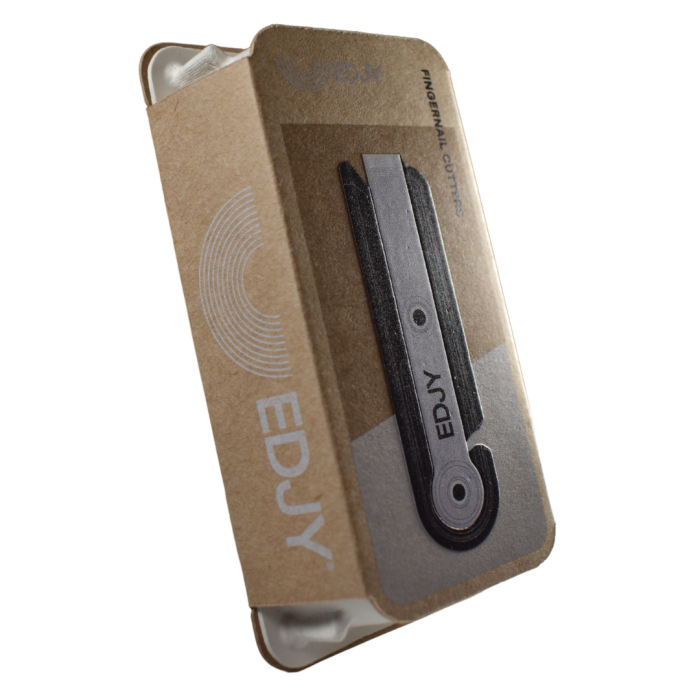
A molded pulp tray adhered to a paperboard card delivers the same functionality as a traditional blister pack, but without the plastic.

5. Rigid Chipboard Box + Molded Pulp Insert

A telescoping rigid box made from recycled chipboard with a molded pulp insert.

6. FSC®-Certified Paperboard Folding Cartons 

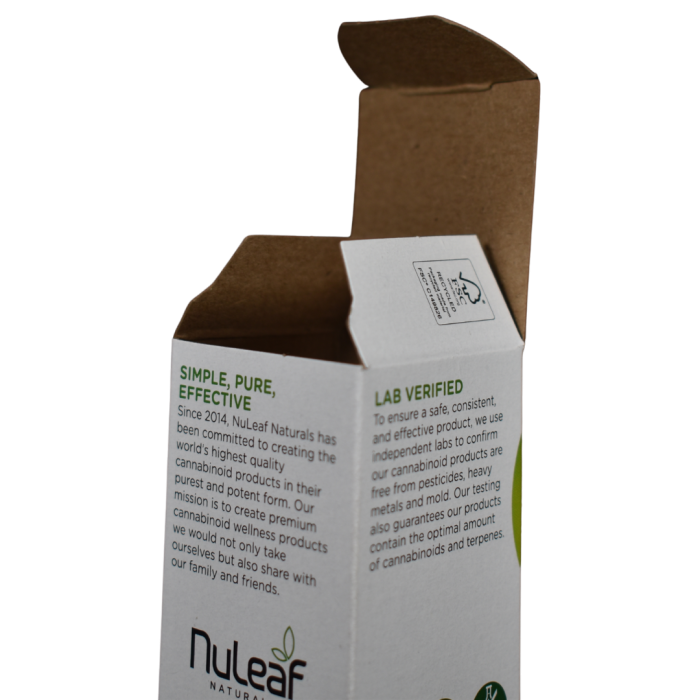
Secondary packaging for CBD oils, balms, and softgels, printed on responsibly sourced paperboard for a low environmental footprint. (FSC® C149826)

7. Rigid Chipboard Tray + Paperboard Sleeve and Insert

A sturdy chipboard tray paired with a printed paperboard sleeve and insert combines strength, visual appeal, and recyclability.

8. Litho-Laminated Corrugated Box

A corrugated box laminated with printed paperboard creates a durable packaging solution that also showcases high-end graphics.

What’s Next? 

Ready to bring your own sustainable packaging vision to life? At Wynalda Packaging, we design and manufacture custom packaging solutions that balance creativity, functionality, and environmental responsibility. Speak with a packaging expert to get started!