
As more brands look for sustainable alternatives to plastic packaging, molded pulp has become one of the fastest-growing packaging solutions across industries ranging from beauty and cosmetics to consumer electronics and health & wellness.
While molded pulp offers excellent environmental benefits, designing an effective molded pulp package requires a different approach than designing with plastic, foam, or paperboard alone. Understanding the capabilities and limitations of the manufacturing process early in the design phase can help improve product protection, reduce tooling challenges, and control costs.
Below are some of the most important considerations when designing molded pulp packaging.
Designing Around the Product
One of the biggest advantages of molded pulp is its ability to conform closely to the shape of the product.
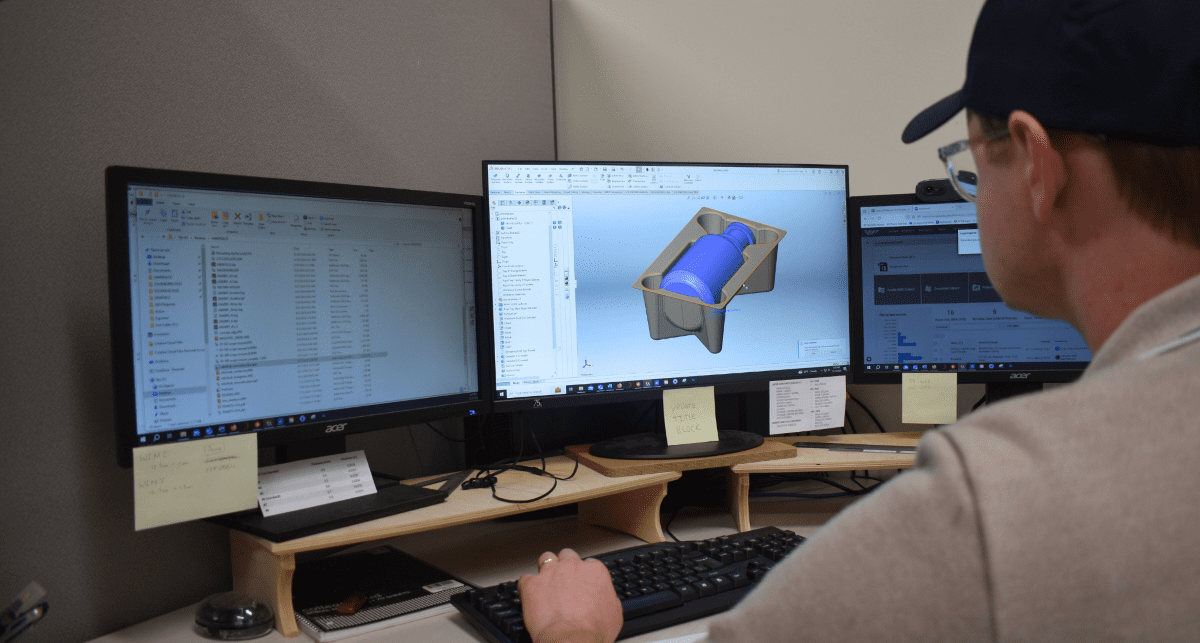
Modern design software allows engineers to model both simple geometric forms and highly organic shapes. This flexibility enables molded pulp trays and inserts to precisely contour products of virtually any size or complexity.
Whether you’re packaging a fragrance bottle, electronic device, beverage accessory, or medical product, molded pulp can be designed to securely hold the product while minimizing excess material.
The goal is to create a package that provides protection, improves presentation, and uses material efficiently.
Wall Thickness
Our molded pulp manufacturing process can accommodate nominal wall thicknesses ranging from approximately 0.6 mm to 1.2 mm. At Wynalda Packaging, 0.8 mm is the standard wall thickness used for many projects.
While thinner walls may reduce material usage, they can also increase the likelihood of manufacturing defects such as holes, wrinkles, or surface imperfections.
Conversely, thicker walls generally increase durability but require more material and longer machine cycle times, which can increase overall production costs.
Finding the right balance between performance and cost is an important part of the design process.
Edge Finish Options
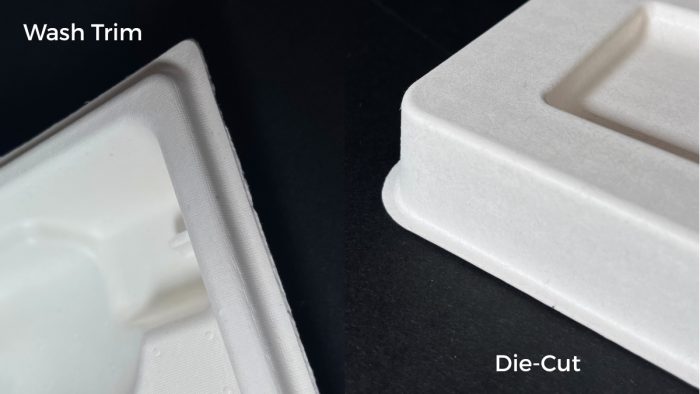
Wash Trim
A wash trim edge comes directly off the molding machine without additional finishing operations, creating a more natural looking edge. This option is typically the most economical and is suitable for many applications where a highly refined edge is not required.
Die-Cut
Die-cutting is a secondary operation that creates a cleaner, sharper edge profile. For premium packaging applications where presentation is important, die-cut edges often provide a more polished appearance and can improve overall package aesthetics.
Draft Angles
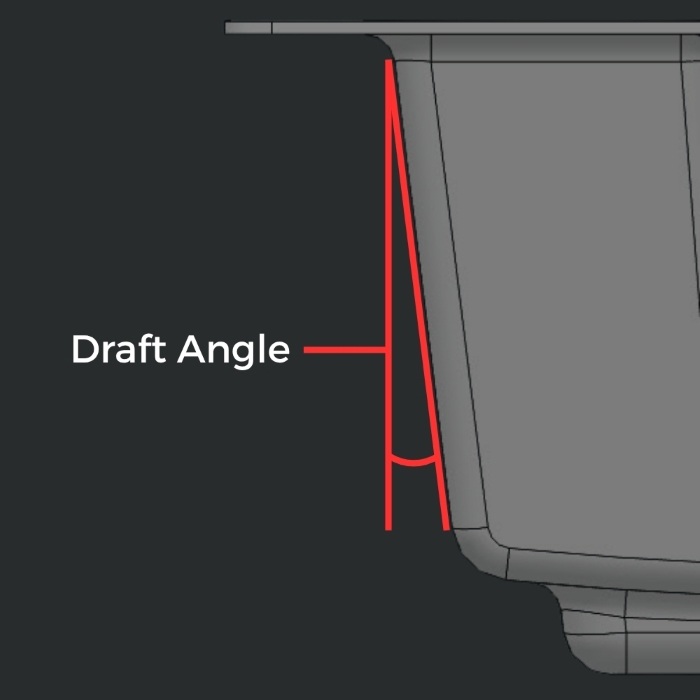
Draft angle refers to the amount of taper built into vertical walls to allow molded pulp parts to release from the tooling.
A draft angle of 7 degrees is generally considered the industry standard and provides reliable manufacturing performance.
Increasing draft beyond 7 degrees can improve tool performance, part release, and manufacturing consistency.
It is possible to design with draft angles below 7 degrees, but doing so may introduce trade-offs such as increased wrinkling, rougher surface finishes, or reduced manufacturing efficiency.
Avoiding Undercuts
One of the most important design constraints in molded pulp manufacturing is the inability to create true undercuts (or negative draft angles).
Because molded pulp trays must release directly from the tooling, and neither the tooling nor the tray is flexible, undercut features cannot be formed during the molding process.
However, designers can sometimes achieve similar functionality by incorporating wash-trimmed openings or cutouts in vertical walls. While these features do not create true molded undercuts, they can provide additional product retention where needed.
De-Nesting Features
Molded pulp trays are typically stacked for shipping and handling after production.
Without proper design considerations, trays can nest too tightly together, making them difficult to separate and potentially slowing down assembly operations.
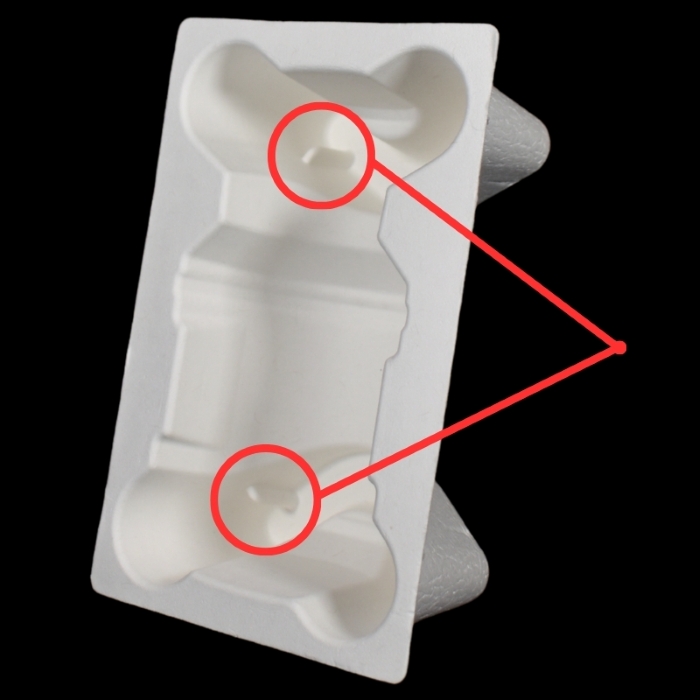
De-nesting posts are small structural features designed into the tray that help prevent trays from sticking together, making them easier to separate during packaging operations.
Although often overlooked, de-nesting features can significantly improve manufacturing and fulfillment efficiency.
Combining Molded Pulp with Paperboard
One of the most effective ways to enhance molded pulp packaging is by combining it with printed paperboard components.
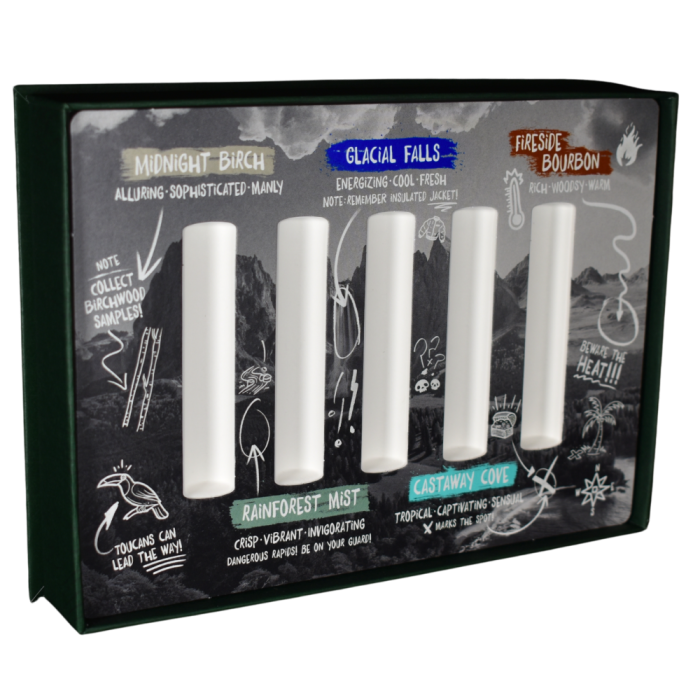
Paperboard Masking
A paperboard mask can be adhered to the face of a molded pulp tray to create several advantages.
The mask can:
- Follow the exact silhouette of the product
- Provide additional printable space
- Conceal structural features of the molded pulp tray
- Improve overall package presentation
This approach is particularly useful for premium consumer packaging where aesthetics play an important role.
Paperboard Tip-Ons
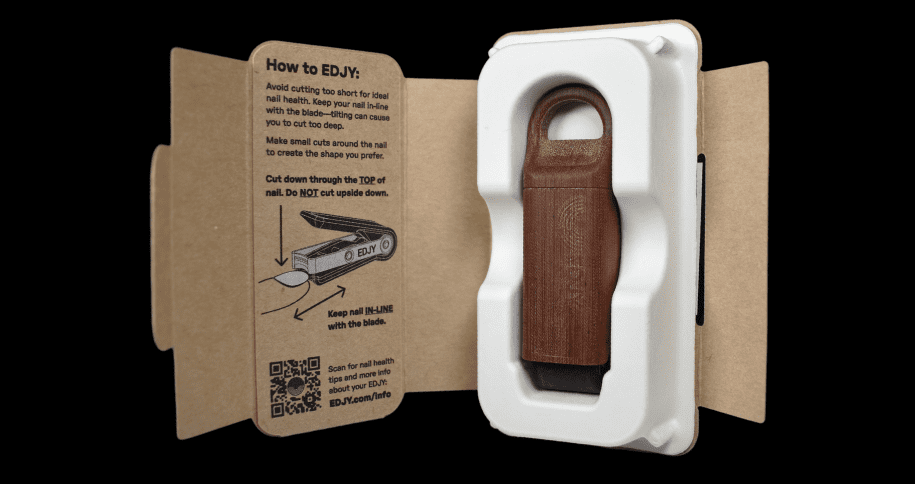
Paperboard tip-ons can also be incorporated into molded pulp designs.
A paperboard wrap adhered to the back of the tray provides plenty of printable space for branding, product information, and marketing messages.
A paperboard card attached to the front of the tray can function similarly to a blister card, providing both branding opportunities and tamper evidence.
Embossing and Debossing
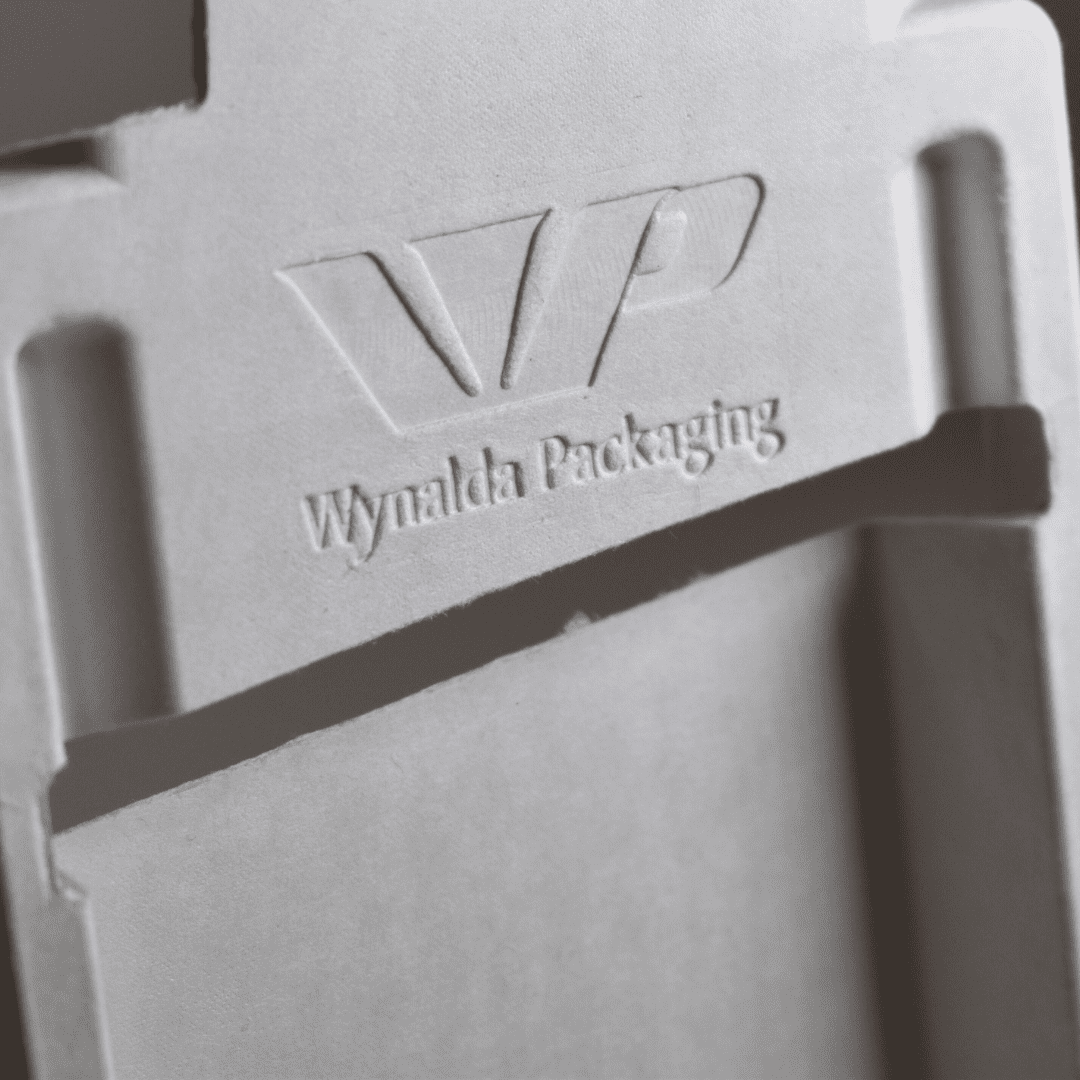
Embossing and debossing can be incorporated directly into the tray design to add logos, branding elements or decorative details.
These subtle design enhancements can elevate the appearance of the package while maintaining the sustainability benefits of molded pulp.
Because the features are formed directly into the molded structure, they do not require additional labels or printed components.
Designing for Performance, Sustainability, and Manufacturability
Successful molded pulp packaging requires balancing product protection, sustainability goals, manufacturing requirements, and cost considerations.
Factors such as wall thickness, draft angles, edge finish, de-nesting features, and hybrid paperboard components all influence the final package’s performance and appearance.
By understanding these design considerations early in the development process, brands can create molded pulp packaging solutions that protect products, support sustainability initiatives, and deliver a premium customer experience.
As molded pulp continues to replace plastic in more packaging applications, thoughtful design will play an increasingly important role in maximizing its potential.